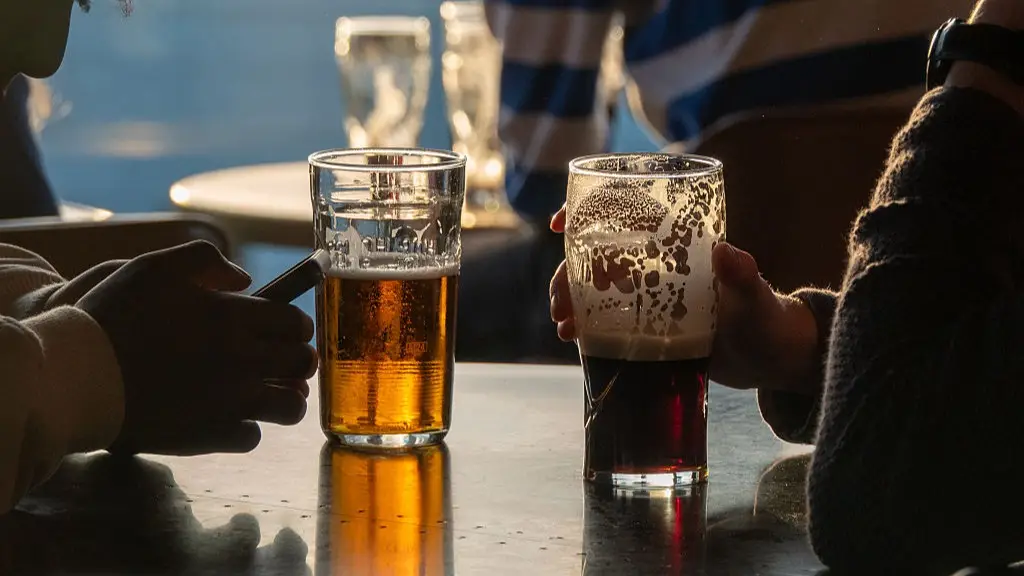
Expert issues warning to anyone attempting Dry Jan over simple mistake that could make you fail

It's January, which means a couple of things - the weather's miserable, and our bank accounts are limping to payday after taking a big Christmas-enforced hit.
Being paid before Christmas is great for the festive season, but it makes things a lot harder in January, which is made up of five weekends this year. It is often also cited as one of the reasons people partake in Dry January.
While most do it for health reasons, it's argued that the decision to do it at all doesn't mean as much as it used to.
This is due to the lowest number of drinkers being reported in the US for almost a century, with more and more people deciding that they can have a good time without alcohol.
Advert
The UK is also following this trend, with one in five adults not drinking any alcohol, says Alcohol Change UK.
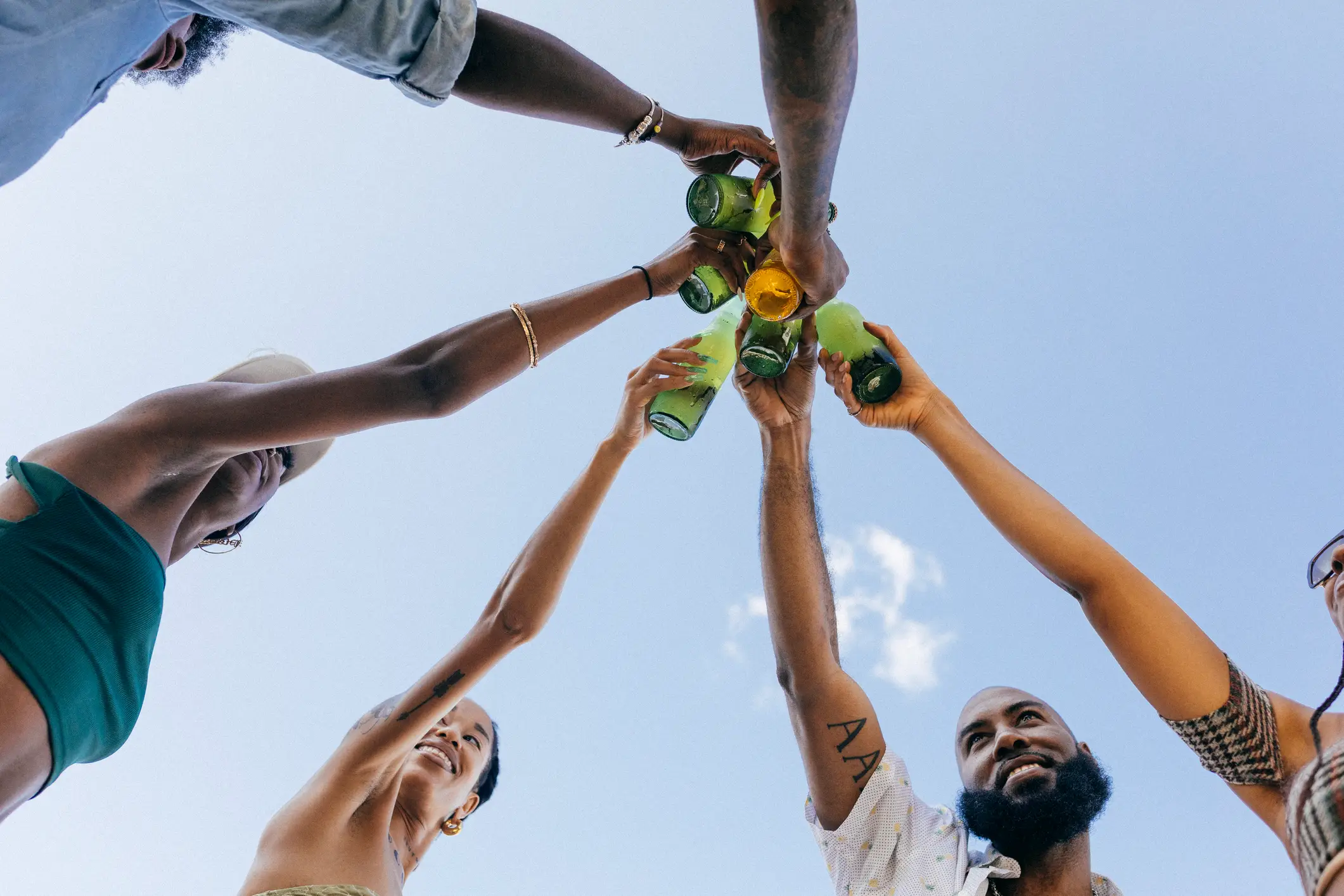
It's still believed that 17.5 million will be taking part in Dry January, but it's worth noting that making one simple mistake could mean that you fail the challenge altogether.
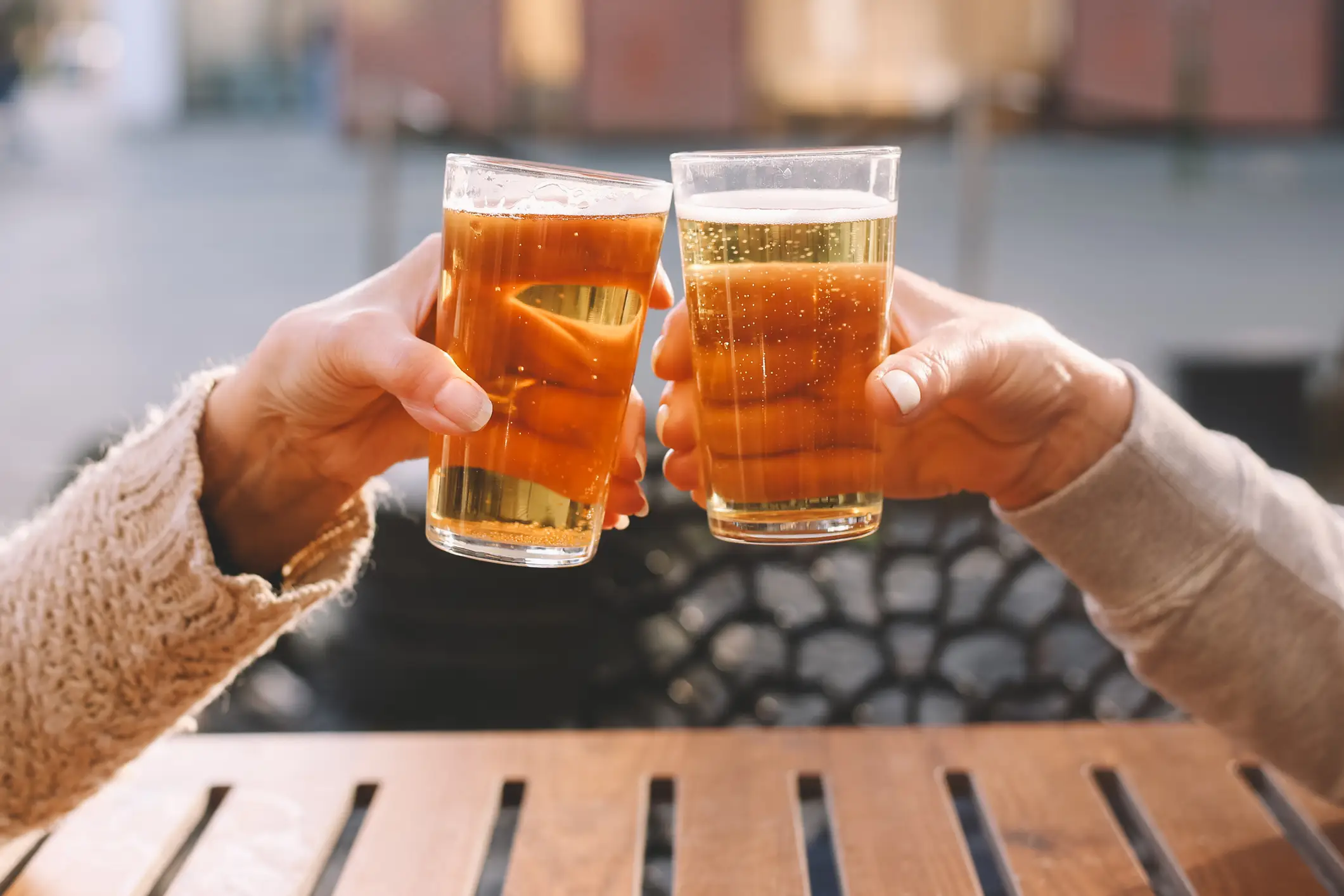
You may be swapping your pint for a non-alcoholic imitation at the pub, though data from YouGov showed that this may be detrimental, as 29 percent of people last year reverted to type within the first week of January, and 16 percent had alcohol by 3 January.
With many beer, cider, and spirit brands introducing drinks which taste like their original products with no alcohol content, experts believe that this can 'trigger a craving'.
Ian Hamilton, an associate professor in addiction at the University of York, stated to the Daily Mail: "While they don't contain alcohol, they can taste very similar – something the alcohol industry has improved in recent years."
He said that the taste alone can make them crave the original alcoholic drink, adding that it could also be 'risky' for those who are dependent on alcohol.
"It is very risky for people who are physically dependent on alcohol to abruptly stop drinking, which obviously includes switching to zero alcohol products," he said.
"This abrupt withdrawal can bring on seizures and for some, could be potentially fatal."
He added that heavy drinkers who enjoy servings every day would be the ones most prone to these consequences, citing those having 'more than 50 units of alcohol a week' as the risk group.
Dr Hamilton explained: "The other group who are at risk by going down the non-alcohol route are those who are psychologically dependent on alcohol.
"Although they might not be physically dependent, they mentally rely on alcohol to relax, sleep, socialise and function more widely."
He said that they also won't benefit from the switch to non-alcoholic products.
Experts suggest that different substitutes can be more helpful than zero percent options, as Denise Hamilton-Mace, founder of Low No Drinker, weighed in.
"Be careful – some drinks, especially alcohol-free beers, are almost identical to their full-strength versions," she pointed out, adding: "Drinks like sparkling tea as an alternative to wine, or functional drinks that give you a physical or mental boost – or even some that replicate that one- or two-drink feeling, but without any alcohol at all – may be a better option."
Topics: Dry January, Alcohol, Health, Money
 Joshua Nair