Four ‘early warning signs’ linked to nearly 100% of heart attacks or strokes

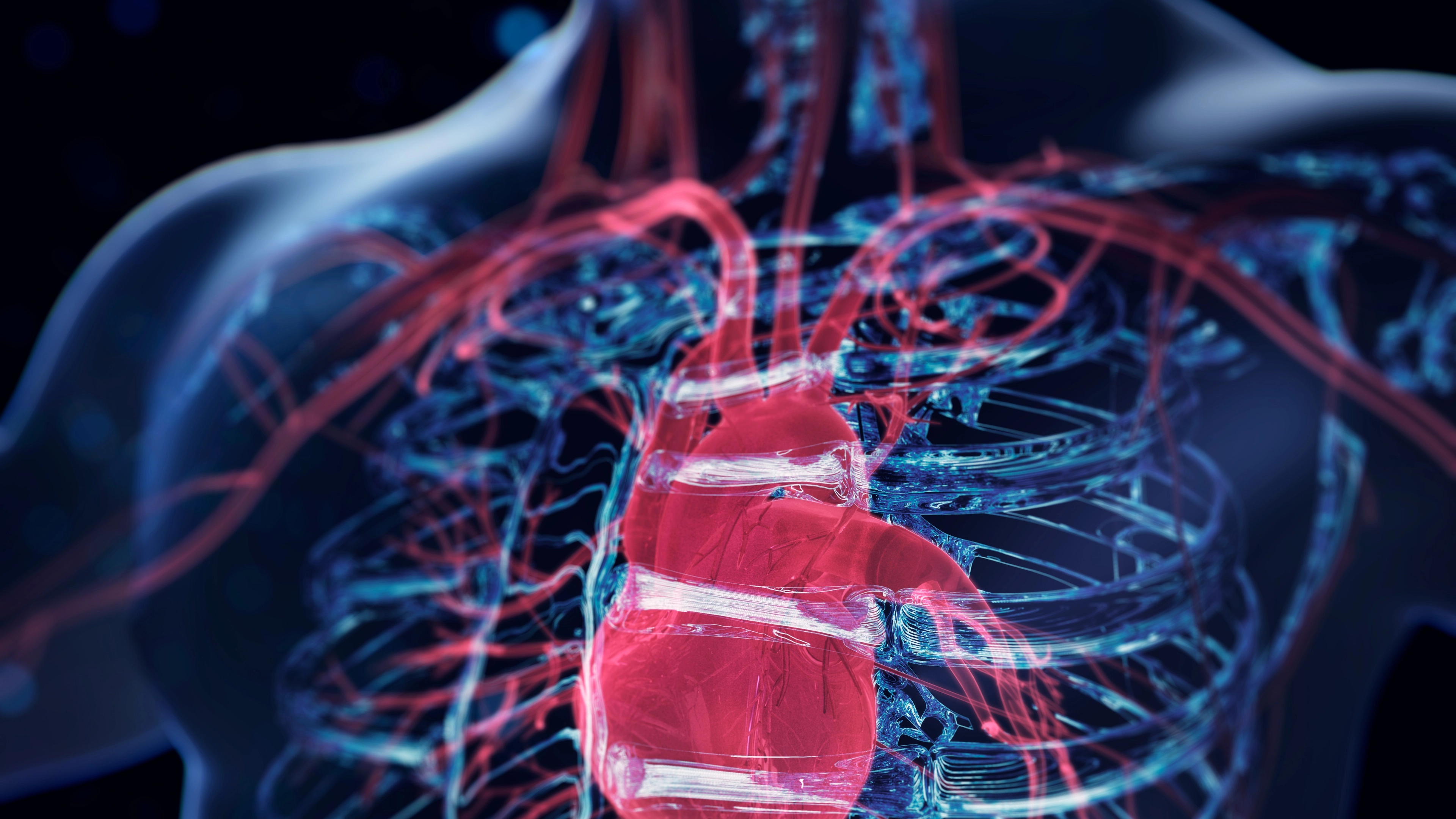
Scientists involved in a major new study have claimed that nearly 100 percent of people who suffer from heart attacks or strokes suffer from at least one of four 'early warning sign' health complications.
Heart attacks are considered to be one of the biggest killers, with statistics from the British Heart Foundation suggesting that cardiovascular disease is responsible for a quarter of all deaths in the UK each year, which is around 170,000. Meanwhile, the Stroke Association states that 100,000 people in the UK have a stroke each year and accounts for 75 percent of deaths from cerebrovascular diseases.
It's believed around eight million UK adults are living with the condition, which includes both strokes and heart attacks, as well as arrhythmias and angina.
While both conditions are typically seen as diseases which occur without warning, a new study has revealed revealed four risk factors, which are associated with nearly all cases of cardiovascular disease.
Advert
What are the 'early warning' signs which suggest you're at risk of a heart attack or stroke?
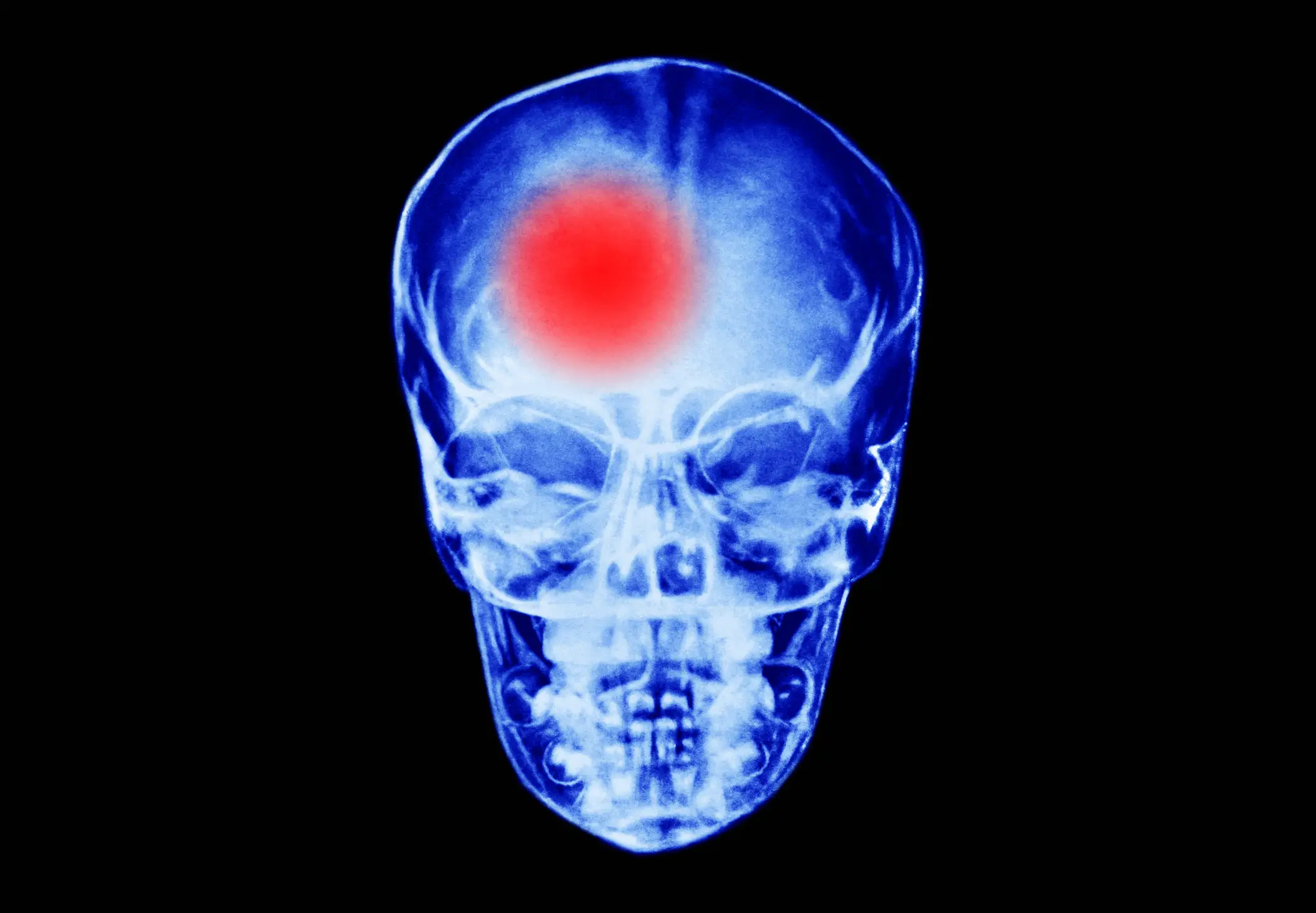
The study, published in the Journal of the American College of Cardiology, analysed data from populations in both South Korea and the US to pick up on if there were any early warning signs which suggested a patient was at a greater risk of suffering from a stroke or cardiac event.
They identified the following four categories:
High blood pressure
Also known as hypertension, high blood pressure typically does not have symptoms, which mean people may be suffering with the condition without realising.
Risk factors which increase your chances of developing high blood pressure include: age, family members which have high blood pressure, weight, diet, alcohol consumption, stress and ethnic background, as people of Black African, Black Caribbean or South Asian backgrounds are more likely to develop hypertension (via NHS).
Prolonged high blood pressure can lead to damaged blood vessels.
Around 93 percent of those sampled experienced hypertension before a heart attack or stoke.
High cholesterol
Like hypertension, patients with high cholesterol are typically unaware they have it, leading to the condition being described as 'silent'. High cholesterol can lead to complications such as blockages in the blood vessels, causing heart attacks and strokes.
Factors which increase your risk of high cholesterol include: eating high amounts of fatty foods, lack of exercise, age and ethnic background.
High cholesterol is typically diagnosed by a blood test.
Elevated blood sugar
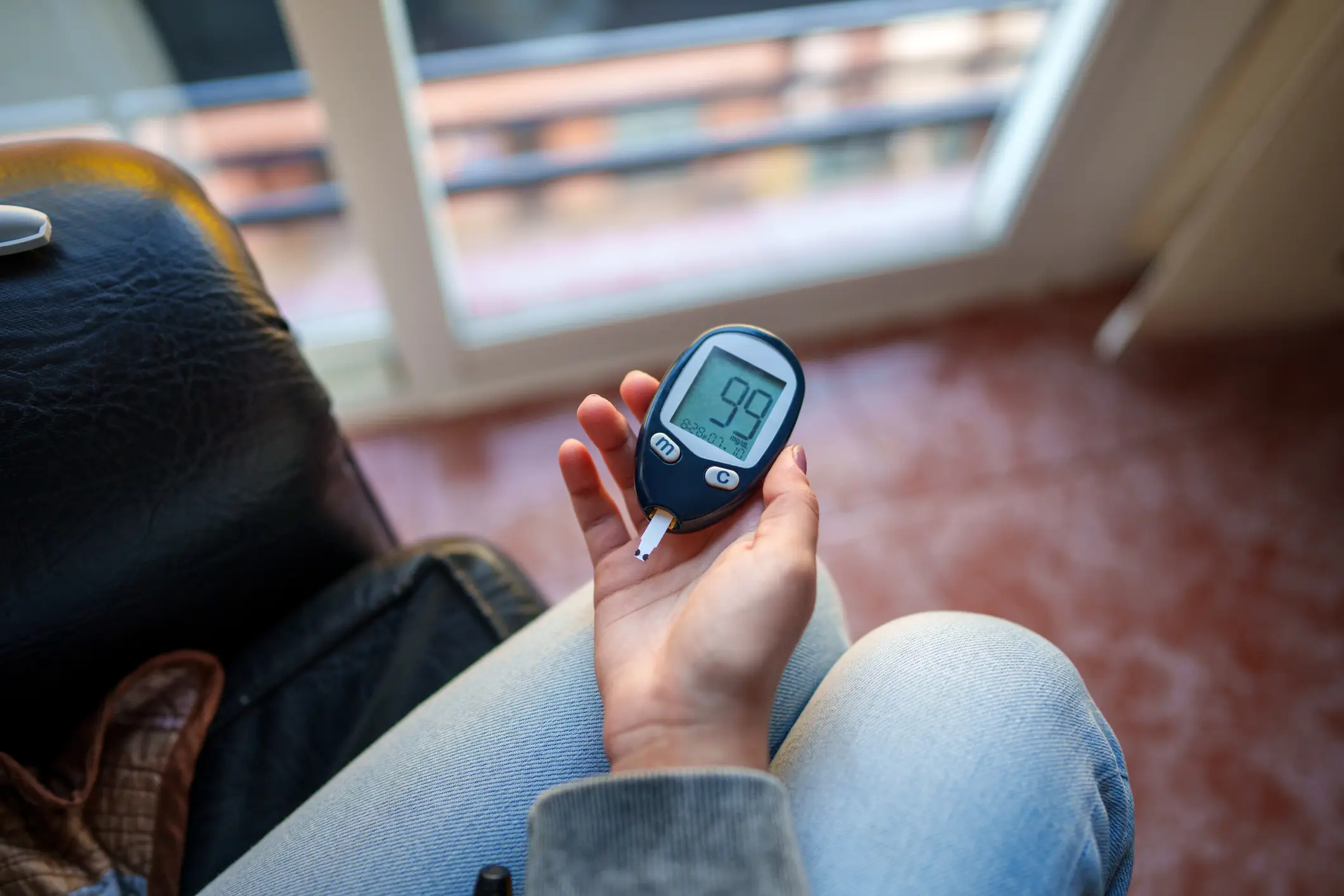
Elevated blood sugar, or hyperglycaemia, occurs when the levels of sugar in your blood is too high. High blood sugar is typically levels over 7.0 mmol/L when fasting or 11.0 mmol/L after eating.
A level of 48 mmol/L or higher is an indicator of diabetes.
Symptoms include: feeling thirsty, peeing a lot, blurred vision and losing weight.
Smoking
People who smoke are at an increased risk of increased heart rate, blood pressure and a greater risk of developing clogged arteries.
When combined as a group, the above were evident in 99 percent of all cardiovascular events.

"We think the study shows very convincingly that exposure to one or more nonoptimal risk factors before these cardiovascular outcomes is nearly 100 percent," senior author and cardiologist Philip Greenland from Northwestern University, said of the research.
"The goal now is to work harder on finding ways to control these modifiable risk factors rather than to get off track in pursuing other factors that are not easily treatable and not causal."
Topics: Health, UK News, World News, Science
 Brenna Cooper