Signs of heart attack after doctor said 90% start with common morning habit

Staying on top of your health can feel like a big task at times, especially with so much guidance being shared on social media.
Small, simple changes to your routine can have a huge impact, though, so it's always worth looking at how you can change your daily habits to improve your health.
Making a small adjustment to your morning routine can be hugely beneficial and even reduce your risk of having a heart attack, as it was revealed that one morning habit is attributed to around 90 per cent of heart attacks.
And no, it has nothing to do with how much cholesterol you're eating.
Advert

The common morning habit that can increase heart attack risk
According to Dr Sana Sadoxai, who boasts over 42,000 followers on TikTok, switching up your morning routine could be key to preventing heart attacks.
"The real danger starts the moment you wake up and stay still," she said in a video.
"Most people go from bed to phone, to sitting, to rushing out, keeping the body in a low-movement, high-inflammation state. This one habit secretly accelerates insulin resistance, belly fat accumulation, high blood pressure, silent inflammation, (and) metabolic dysfunction, all of which dramatically increase the risk of early heart attacks, especially if you are overweight or obese."
Dr Sadoxai, who shares health tips and advice on her platform, recommends adding a few minutes' worth of movement to your morning routine, as the benefits are pretty much endless.
"Just five to seven minutes of morning movement - brisk walking, stretching, breathing exercises - boosts circulation, activates metabolism, stabilises sugar levels, and protects your heart more than people realise," she said.
"Your weight, your metabolism, and your heart are deeply connected, ignoring this morning habit is a silent threat. Changing it is lifesaving.
"If you're struggling with obesity, stubborn belly fat, breathlessness, diabetes, or fatigue, these are early metabolic warning signs you should not ignore. Take control before it becomes a cardiac risk!!"
TikTok users were seemingly taken aback by her advice, with one saying: "Basically getting up and rushing to work is killing us."
Another added: "I wake up, have a cup of tea, relax drinking it for 30 minutes, and then get ready for work. I think you give sound advice."
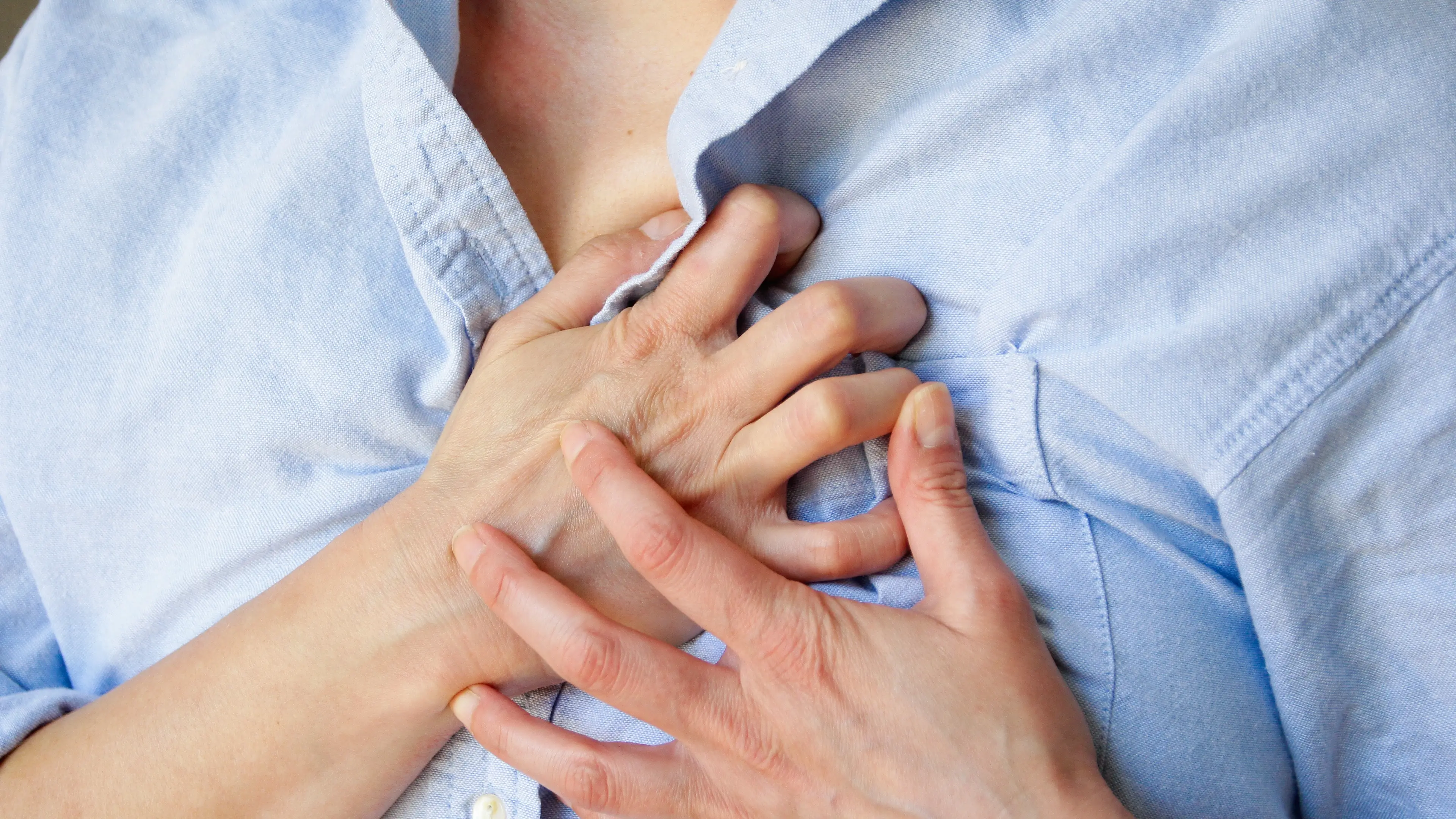
Main signs of a heart attack
A heart attack, also known as a myocardial infarction, happens when the supply of blood to the heart is blocked, usually by a blood clot, according to the NHS.
Heart attacks account for around 100,000 hospital admissions every year in the UK.
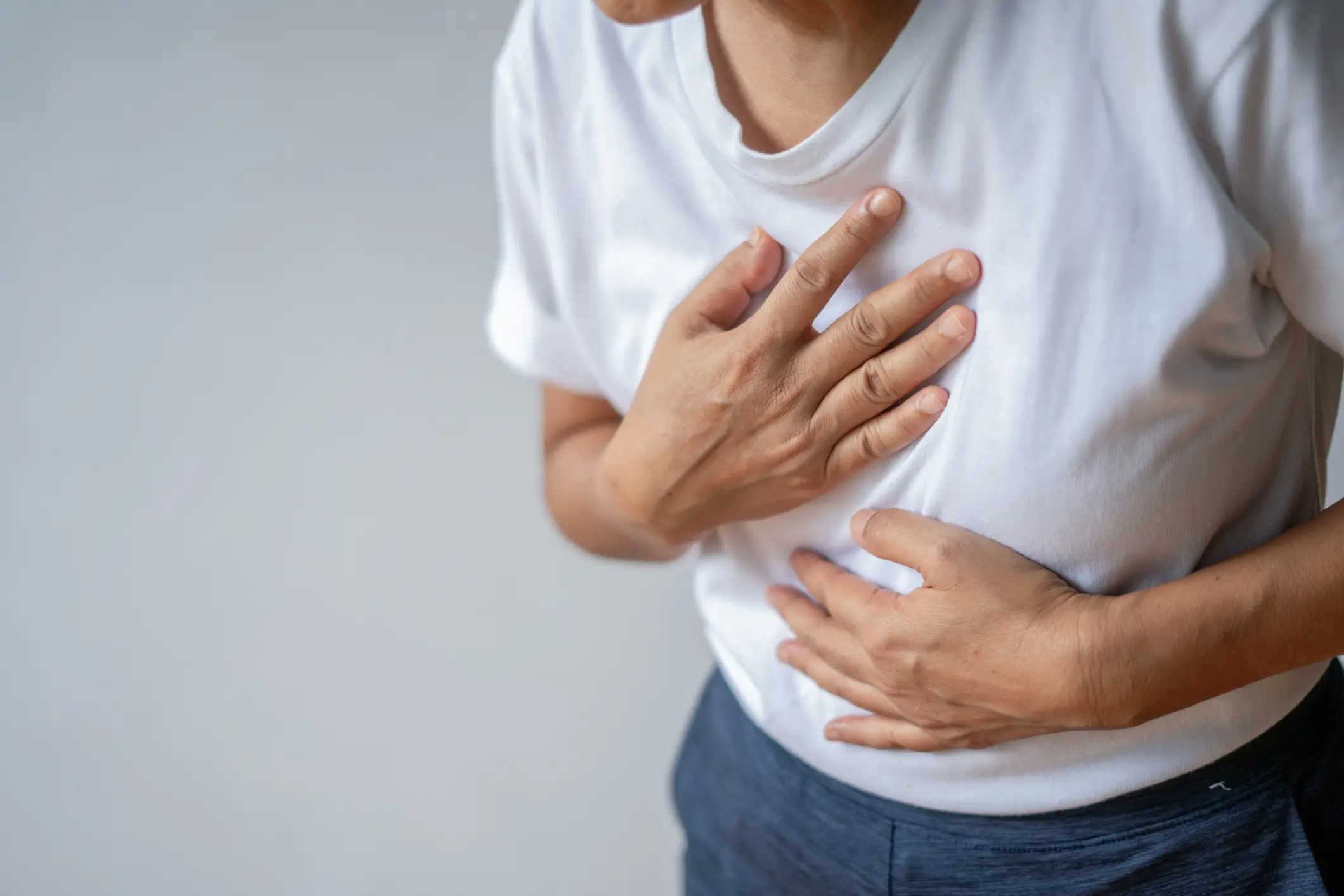
Symptoms of a heart attack include:
- Chest pain - a feeling of pressure, heaviness, tightness or squeezing across your chest
- Pain in other parts of the body - may feel like the pain is spreading from your chest to your arms (usually the left arm, but it can affect both arms), jaw, neck, back and tummy
- Feeling lightheaded or dizzy
- Sweating
- Shortness of breath
- Feeling sick (nausea) or being sick (vomiting)
- An overwhelming feeling of anxiety (similar to a panic attack)
- Coughing or wheezing
Changes to help reduce the risk
You can reduce your risk of having a heart attack by making some changes to your lifestyle and daily routines.
Quitting smoking and losing weight are key ways of improving overall health, as well as eating a low-fat, high-fibre diet, including at least five portions of fruit and vegetables every day.
Adopting a regular exercise routine is also recommended by the NHS, and adults should aim for at least 150 minutes of aerobic exercise each week.
Those who have suffered heart attacks in the past may be given medication to dissolve blood clots or undergo surgery, which will help to prevent further heart attacks.
What to do if you suspect someone is having a heart attack
If you think someone is suffering a heart attack, it is crucial to call 999 immediately and request an ambulance, according to the NHS.
While waiting for paramedics to arrive, a 300mg tablet of aspirin may help temporarily, as it helps thin the blood and improve blood flow.
If you have had a heart attack, it's important that you rest while you wait for an ambulance to avoid unnecessary strain on your heart, the NHS advises.
 Danni King