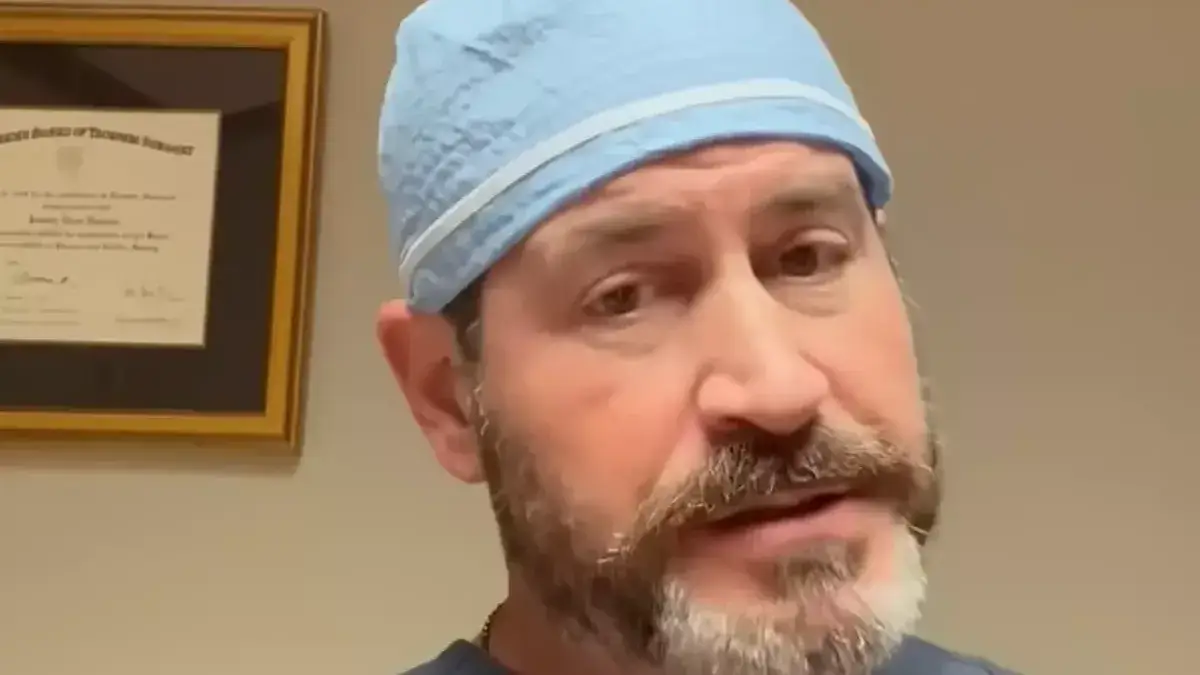
Surgeon reveals simple at-home test that can show if you have a heart blockage

A simple test that you can carry out from the comfort of your own home could help you work out if you're heart has a problem, a cardiovascular surgeon has claimed.
Although this doesn't supersede the state-of-the-art medical technology we have at our fingertips these days (if you can get an appointment), it can apparently come in handy if you want to keep tabs on how your ticker is doing.
Dr Jeremy London shared a video online explaining exactly how to do it - and he said that this information could be 'lifesaving'.
In the clip, which he originally shared to social media last year, the US medic explained that you don't always need a blood test, X-ray or electrocardiogram (ECG) to check how healthy your heart is.
Advert
Instead, you can 'listen to your body' and see if you spot certain 'red flags', which may suggest that you need to book an appointment with your doctor.
According to Dr London, you need to look out for chest tightness, chest pain, shortness of breath, and pain that radiates to the jaw or the arm with exertion.
If these are 'relieved with rest', the cardiovascular surgeon says that 'this is a red flag'.

He explained that these symptoms are all signs that could suggest 'you may have important blockages of the heart arteries'.
According to the British Heart Foundation, loads of people who have this don't realise for many years, as they often don't experience any symptoms.
Detailing the condition, it explains: "Your arteries are a key part of your heart and circulatory system. They carry oxygen-rich blood from the heart to organs and tissues around the body.
"But if the walls of the arteries become damaged by something like high blood pressure, this can cause inflammation and can lead to the build-up of fatty material.
"Your body tries to clear up the inflammation, which creates a seal of fibrous material over the fatty material. Over time, this forms a hardened plaque (also known as atheroma), making your artery narrower."
Narrow arteries are obviously not good - and at some point, the plaque build-up can become so excessive that it stops the sufficient supply of oxygen-rich blood.
As a result, this can 'cause pain or discomfort, especially during exercise' - and if you leave it untreated, it can have fatal consequences.
And this is where Dr London's test comes in.
He explained that 'knowing how to identify potential issues with your heart can be crucial for your health, before delving into exactly how you can do this.
So, if you've been mulling over the idea of whether to book a doctor's appointment or not, his simple test can help you come to a conclusion.
"Let's assume for a minute that you have a blockage in the artery of the front of the heart," Dr London said.
"When you exert yourself, that area below the blockage is blood starved and you start to have these symptoms. When you rest, the demand on this area of the heart goes down and the pain goes away.
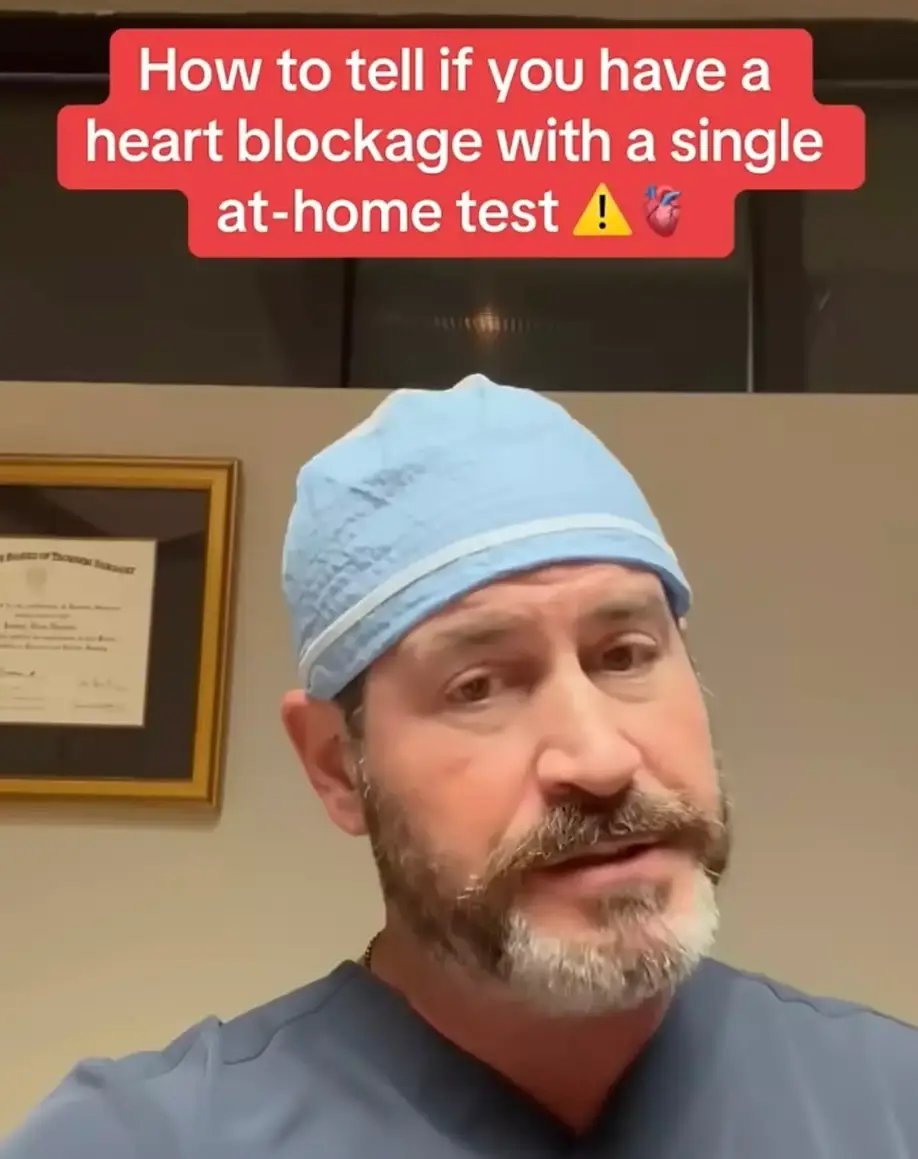
"Now clearly, not having this situation doesn't mean that you don't have blockages in the heart arteries...but if they are occurring, you need to see a qualified healthcare professional."
So, if you experience any of the aforementioned symptoms after being active that only subside when you've rested, you might want to book an appointment with your GP.
And there's never been a better time to try Dr London's test, as cleaning up after the Christmas chaos surely counts as a highly energetic activity.
The medic does add a disclaimer that he is 'not [issuing] medical advice', however, we can all still benefit from him sharing his knowledge of our cardiovascular system.
 Olivia Burke