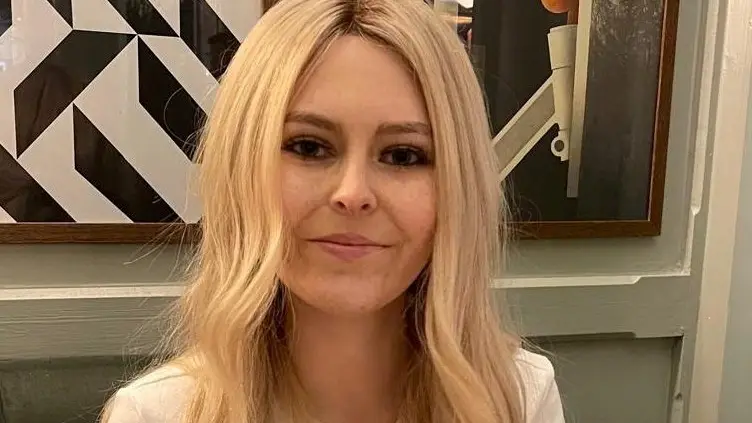
Woman, 17, died of breast cancer two years after having symptom dismissed as anxiety

The family of a woman who died of cancer at the age of 17 say she would have been diagnosed sooner if she were an adult, with symptoms dismissed as 'anxiety'.
Isla Sneddon went to the doctor in 2022 when she was 15 after finding a lump in her breast, but they told her it was likely to be benign and caused by hormonal changes.
She would later be recommended for a biopsy, but because of her age her referral was downgraded.
In summer 2024, Isla became very ill due to her undiagnosed cancer and was taken to hospital in Airdrie which led to 10 weeks of scans and procedures before the family was told it was breast cancer.
Advert
Doctors told them Isla would only have between six months and a year left to live.
She died in March 2025 aged 17, and her parents Mark and Michelle believe if their daughter had been treated as though she were an adult, then she might still be alive.
They're campaigning for a change in the law and want to bring in Isla's Law, which would require GPs to ensure urgent paediatric referrals are subject to the same maximum wait times as adult cancer referrals.
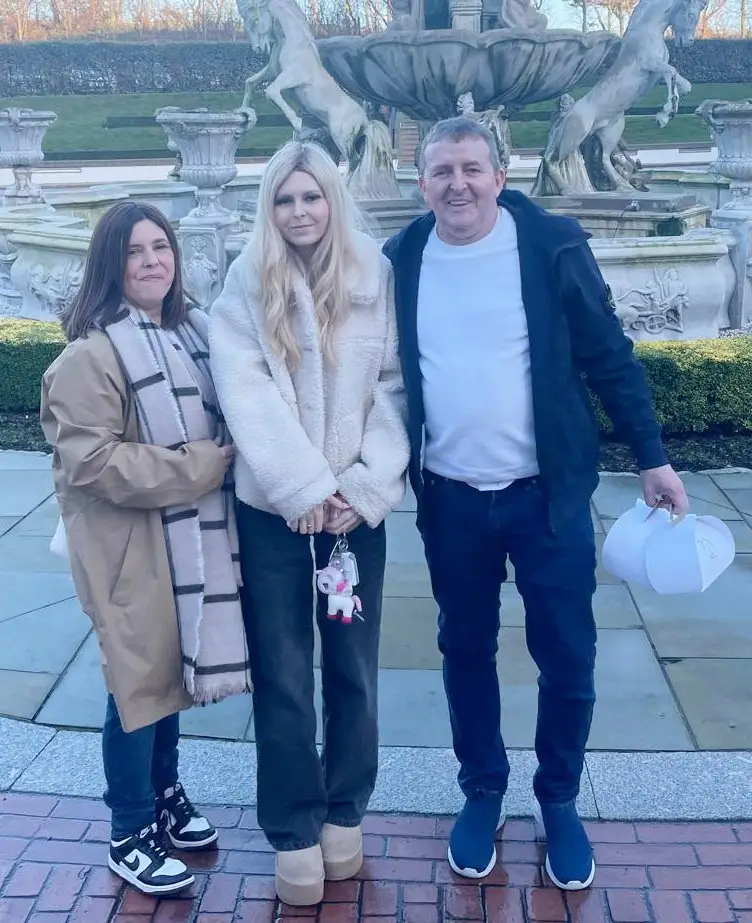
It's attracted over 36,000 signatures on Change.org, and you can take a look at it yourself here.
Mark said: "We trusted what we were told. We believe that if Isla had been an adult presenting with the same symptoms, there would be a lot more done.
"There would have been a longer investigation - she wouldn't have been told it was something she'd grow out of. We'll never know, but we believe that if that had been caught then, it maybe wouldn't have got to where it was.
"I don't want another father or mother to feel like we do. We're empty, we're lost - I would never wish this on another family."
The parents believe that if passed, the law 'can save another child from going through what Isla went through'.
Michelle told STV that Isla's symptoms kept being dismissed as 'anxiety'.
She said: "They kept saying Isla had anxiety. Everything was anxiety, 'Isla your pains in your chest is anxiety'."
A short time later, she was diagnosed with sarcoma and her family were given the terrible news that their daughter did not have long to live.
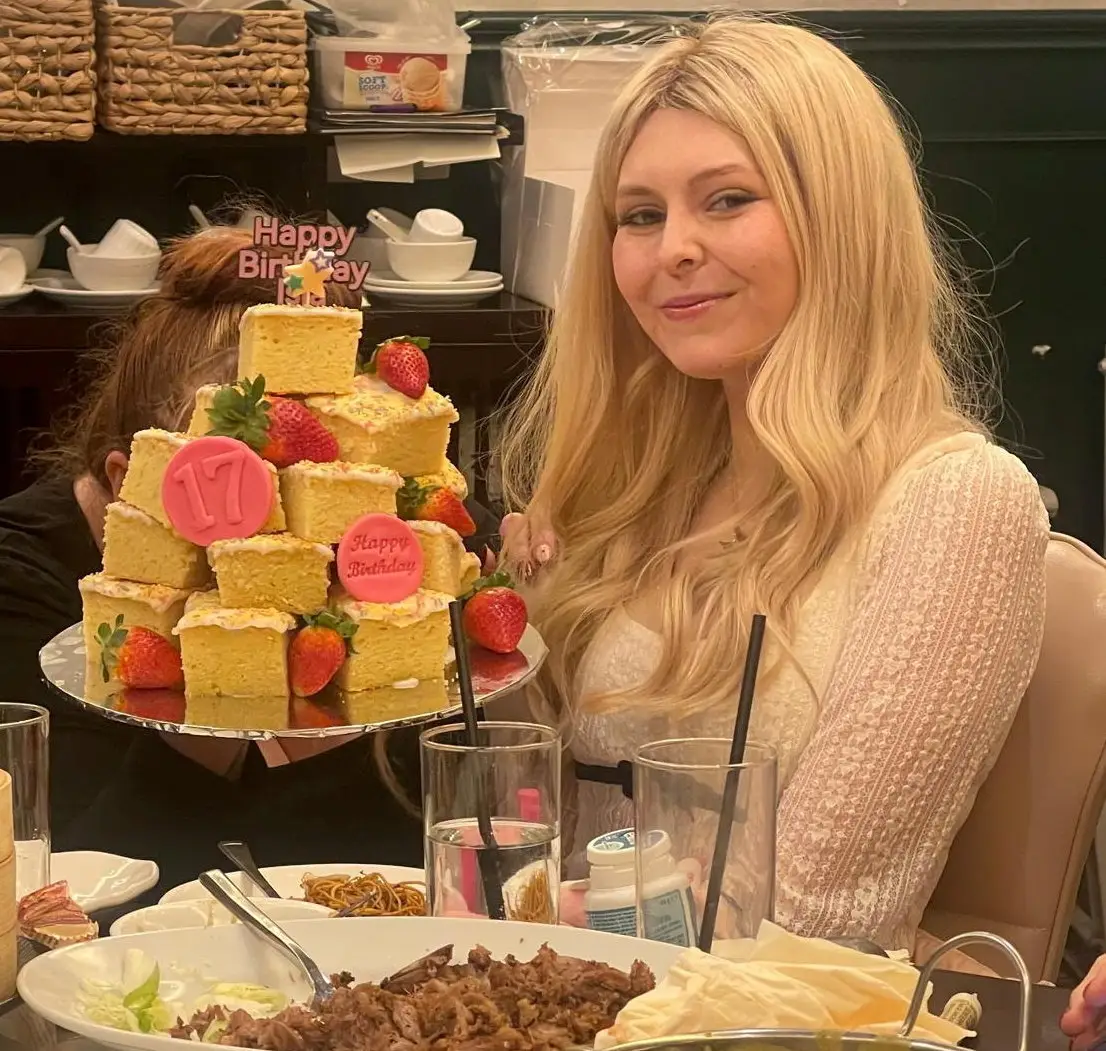
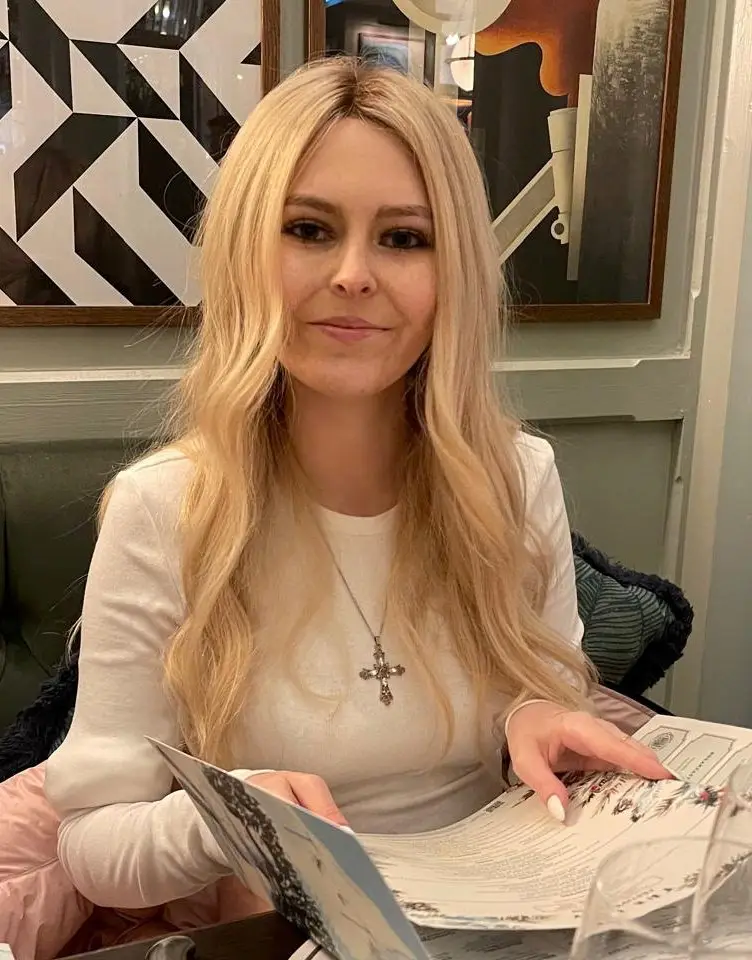
Speaking of their daughter, they said: "Isla was the best daughter you could ask for.
"She was bright and bubbly. She had a really good sense of humour, and she was beautiful. Me and her mum adored her - we just wanted her to have the best life she could have."
They said that sadly by the time their daughter's cancer was detected 'it was too late' and the options were 'damage limitation'.
The family decided to spend as much time together as possible in the remaining months they had, but her condition got worse suddenly one Sunday morning.
Her dad said she told him 'Dad, I don't feel well, I think you need to take me to hospital', and he knew that was the last place she wanted to be 'because she'd been in hospital for so long'.
They wanted six hours for an ambulance before they put her in a wheelchair and took her there.
"They took her straight in and said her needs were too complex for the hospital, but they couldn't move her. Then she crashed," Mark said.
"We nursed her for six months of chemotherapy and she died in our arms in hospital. We thought we'd have a lot more time with her.
"It was so horrible. It's the sort of thing you see on television - it happens to other people and you don't think it'll happen to you."
Health secretary Neil Gray told STV: “I would like to express my deepest sympathies to the family of Isla Sneddon for their very sad loss. I will be meeting with her family next week to further discuss their petition and concerns.
“We published updated Scottish Referral Guidelines for Suspected Cancer on August 6, which include a new children and young person’s referral guideline. These will help to ensure the right person is on the right pathway at the right time.”
Arwel Williams, NHS Lanarkshire’s director of acute services, said: “Our team have been responding to the family’s concerns through correspondence and face to face meetings and we have reassured the family that Isla’s treatment was in line with expected clinical pathways.
“However, we fully recognise how devastating this has been to the family and our thoughts and sincere sympathies remain with them. We continue to engage with the family and will provide any further support we can.”
If you’ve been affected by any of these issues and want to speak to someone in confidence, contact Macmillan’s Cancer Support Line on 0808 808 00 00, 8am–8pm seven days a week.
 Joe Harker