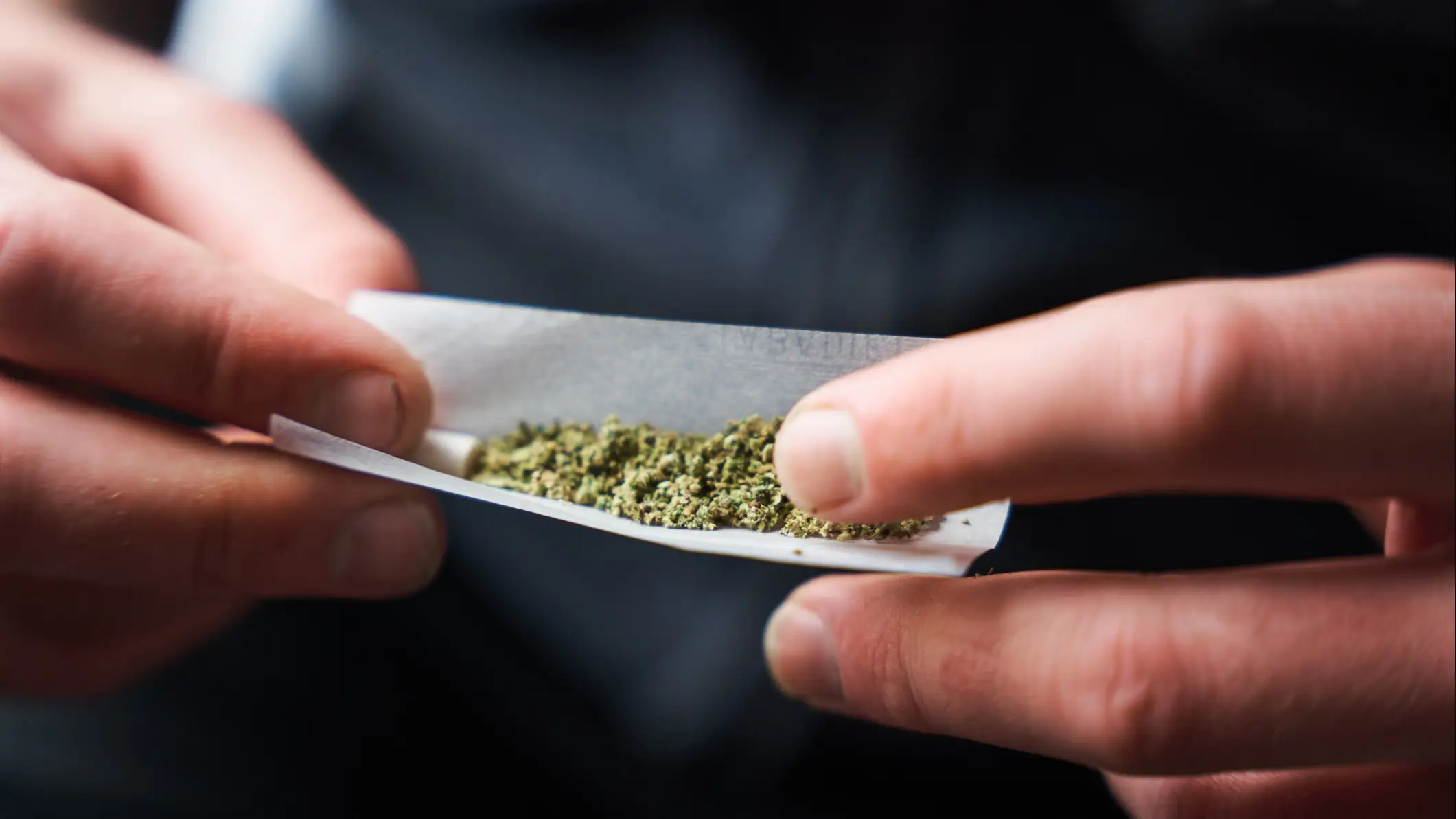
Study makes surprise finding about smoking cannabis and cognitive decline

New research has looked into whether there is a link between cannabis use and dementia as we age, and the findings reveal a more nuanced picture of the risks of cannabis.
Weed consistently ranks as the most used drug in England and Wales, according to the Office for National Statistics.
The most recent data shows that 6.5 percent of people aged 16 to 59 have used the drug within the last 12 months, rising to 12.5 percent of people aged 16 to 24.
Much of the research around cannabis focuses on its impact on the developing, teenage brain.
Advert
One 2015 study tracked marijuana users aged between 16 and 19, and found they performed significantly worse than non-users on attention, memory and processing speed.
But what of the effect on older people?
Alzheimer's UK writes on its website: "There is some evidence that heavy, long-term use of cannabis could have a negative effect on our memory and thinking. Much more research needs to be done to tease apart any potential benefits and drawbacks."
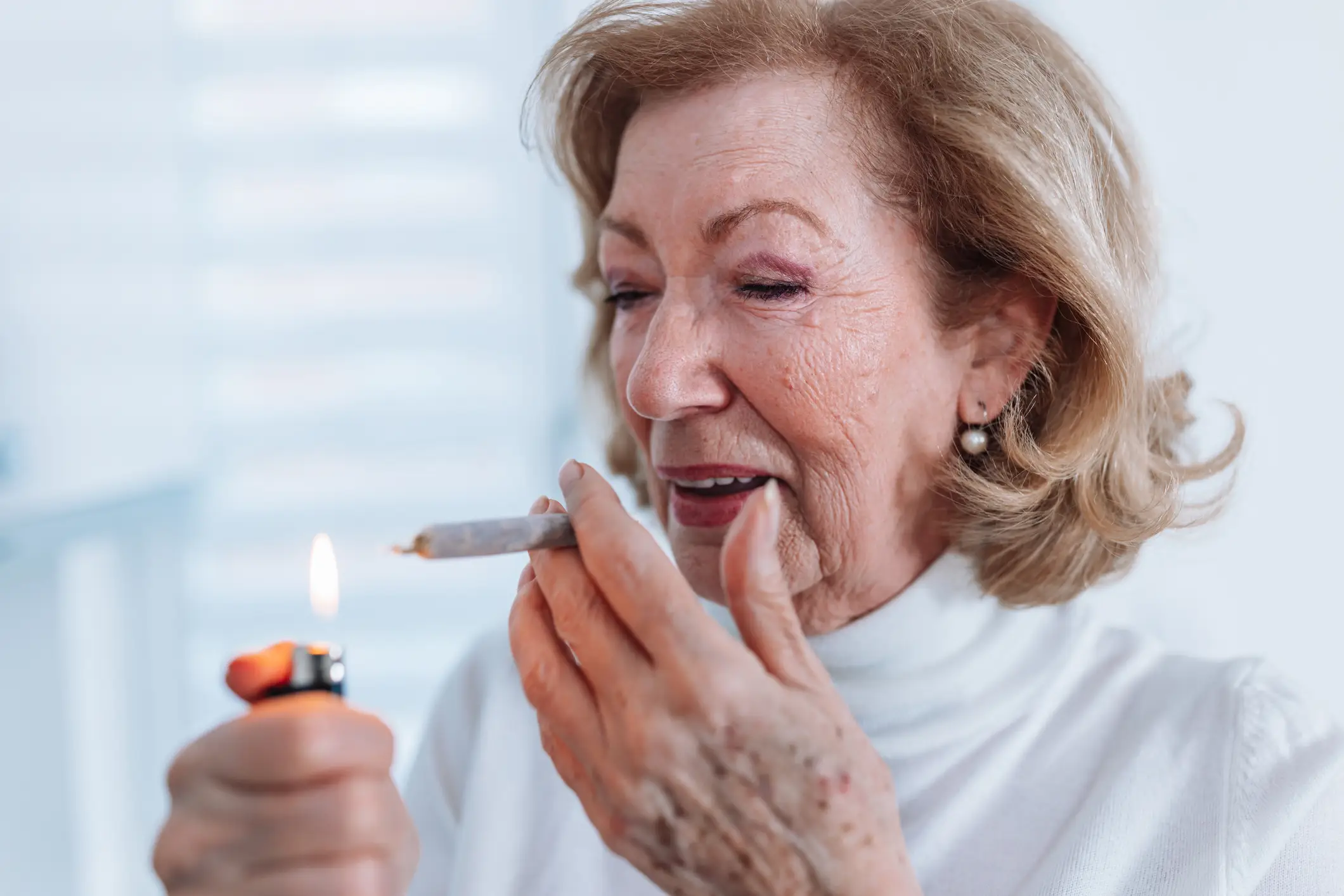
That's what a new 2026 study hoped to do. It was carried out by researchers at Oxford Population Health and the Department of Psychiatry, with their findings published in BMJ Mental Health.
The researchers examined two large groups of people, using data from the UK Biobank (UKB) and the US Million Veteran Program (MVP).
The UKB data came from nearly 19,000 participants aged 40 to 69 who had reported using cannabis in their lives, and they were then split into low and high frequency users.
Low frequency users were those who had smoked cannabis between 1 and 10 times in their life, while high users included anyone who had used it more than 11 times.
The MVP participants were identified from references to ‘cannabis use disorder’ in their health records.
Researchers wanted to find out if cannabis influenced the decline in brain function as the body and brain ages.
The study looked at how the cannabis users fared in five different tests.
These tests included memorising numbers, matching pairs and problem solving.
Their results were then compared with those from a control group of non-cannabis users.
The study found that the cannabis users performed much better than some of the non-users, however the study organisers were keen to stress that this was because the cannabis users from the UKB study came from a higher socioeconomic and educational background than the non-users.
Saba Ishrat was the lead author of the paper, and said: "Although cannabis users performed slightly better on some cognitive tests at baseline, this should not be interpreted as cannabis improving cognition.
"The differences we observed are more likely explained by underlying demographic, educational and socioeconomic factors that differ between users and non-users, rather than a protective effect of cannabis itself."
Similarly, another recent study looked at the use of 26,362 adults aged 40 to 77 in the UK, and it found marijuana use to be associated with 'larger brain volumes and better cognitive function'.
Dr Anya Topiwala, a Senior Clinical Researcher at Oxford Population Health and Honorary Consultant Psychiatrist at Oxford Health NHS Foundation Trust, said: "This should not be interpreted as cannabis being risk-free. Cannabis use is associated with other adverse health outcomes, and further research is needed to understand the effects of higher-dose, long-term use on brain health in later life."
In fact, there are several ways in which smoking cannabis can be more risky for older people.

One study found that regular cannabis use is linked to a 29 percent increase in heart attacks and a 20 percent increase in strokes.
That's lower than both regular tobacco and excessive alcohol use, Stanford Medicine explains, but combining two or more of these lifestyle factors could mean an even greater risk.
Meanwhile, because older people have slower metabolisms, highs can last longer and impair your cognitive functioning longer than you might expect.
And older adults can still become addicted to cannabis, with 30 percent of regular users having cannabis use disorder, where the drug starts to have a serious impact on their day-to-day life.
Topics: Drugs, Health, Mental Health
 Jen Thomas