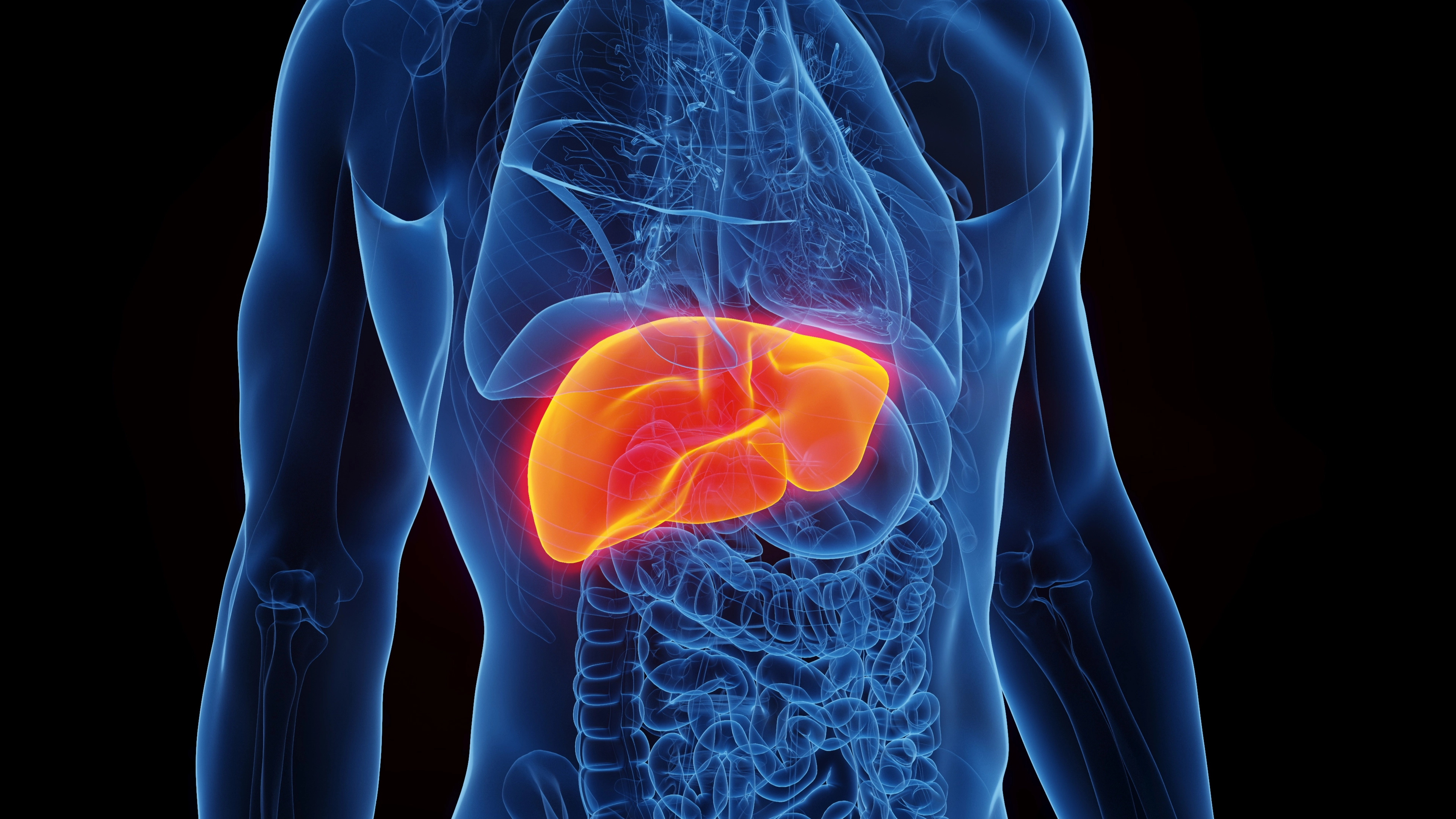
Liver doctor shares 'non-negotiable' habits you need whether you drink alcohol or not

A doctor has shared some of the 'non-negotiables' when it comes to liver health - and it doesn't necessarily matter if you drink or not.
As alarming as it might sound, the rate of premature deaths from liver disease in England has increased by 42 percent from 2001 to 2023, according to the Office for Health Improvement and Disparities.
It means that there are more than 11,000 deaths in the UK due to liver disease each year, the British Liver Trust says, with liver disease referring to any condition that impairs liver function. It can be caused by viruses such as hepatitis, toxins like alcohol or drugs, genetics or lifestyle.
Once your liver is damaged and scarred, this is known as cirrhosis. The NHS says symptoms can include feeling tired and weak all the time, a loss of appetite, a lack of sex drive and feeling or being sick.
Advert

But it's not all doom and gloom, as around 90 percent of liver disease cases are preventable.
“It’s probably the most resilient organ in the body, but we don’t really think about it until something goes wrong,” Dr Angad Dhillon explained to Stylist.
“Roughly the size of a rugby ball and weighing around three pounds, it’s constantly working to process everything you consume, produce vital proteins and keep your metabolism in check.”
Dr Dhillon's non-negotiables for liver health
The consultant gastroenterologist at Doctify said that he makes sure that 'movement is a non-negotiable part of my day' and warns that sitting still for too long can contribute to liver-related health issues in the future.
“I set reminders to stand up or take a short walk from my desk, cycle to work when possible and always try to include some form of structured exercise in my routine to keep my liver – and whole body – in good shape,” he said.
Start the day with a coffee
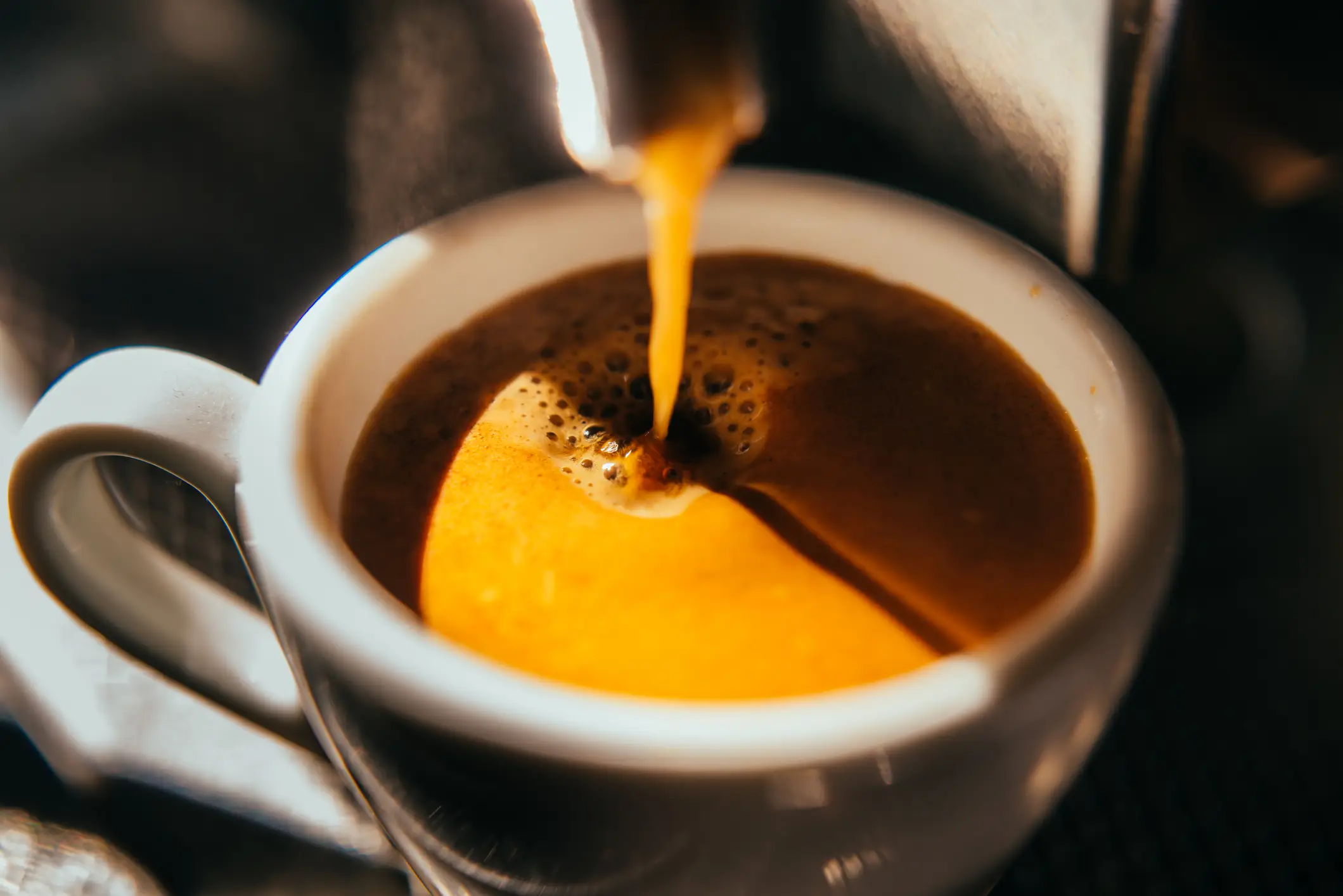
“Some studies suggest that moderate coffee consumption may be associated with a reduced risk of liver inflammation and cirrhosis,” Dr Dhillon said.
“While we don’t fully understand the mechanisms yet, it’s thought that the antioxidants in coffee play a role in supporting liver health. I love drinking my morning cup, not just for the caffeine hit, but as part of my overall liver-protective strategy.”
Don't drink on consecutive days

“If I choose to drink alcohol – even if it’s less than the recommended 14 units per week – I never do it on consecutive days,” Dr Dhillon added.
“While a big night out once in a while isn’t likely to cause lasting damage, it can become dangerous if you’re binge-drinking regularly.”
Eat less ultra-processed foods
Ultra-processed foods usually consist of hot dogs, instant soups, sugary drinks, crisps, mass-produced breads, ready meals, cereals, chocolate and ice cream - basically all of the good stuff.
Studies have shown that a diet heavy in ultra-processed foods can lead to an increased risk of obesity, type 2 diabetes, heart disease, certain cancers and mental health issues.
“I try to steer clear of ultra-processed foods as much as possible,” he said.
“My golden rule is to focus on whole foods – plating up lots of leafy greens, lean proteins and omega-3-rich foods like salmon and walnuts.”
Topics: Food And Drink, Health, Alcohol
 Anish Vij