Experts say there are 10 foods people should ‘never buy again’

Experts are warning people to completely cut out 10 different foods from their diets or face major health consequences.
Sadly it's the way of the world that often the unhealthiest things we eat are the ones that taste the best, and we've probably known for a long time that frozen pizzas and ice cream aren't exactly staples of a healthy diet.
But considering how much damage ultra-processed foods can do to our bodies, with a new study revealing that they are often linked to the harm of every major organ in the body, it might be time to cut them out entirely if you've got aspirations of a long and healthy life.
And now experts have revealed 10 foods that we should supposedly never purchase again, and doing so could just save your life, considering ultra-processed foods have been linked to 20,000 premature deaths in the UK each year.
Advert
Here are the foods and drinks that should be going straight out of your basket and back on the shelves:
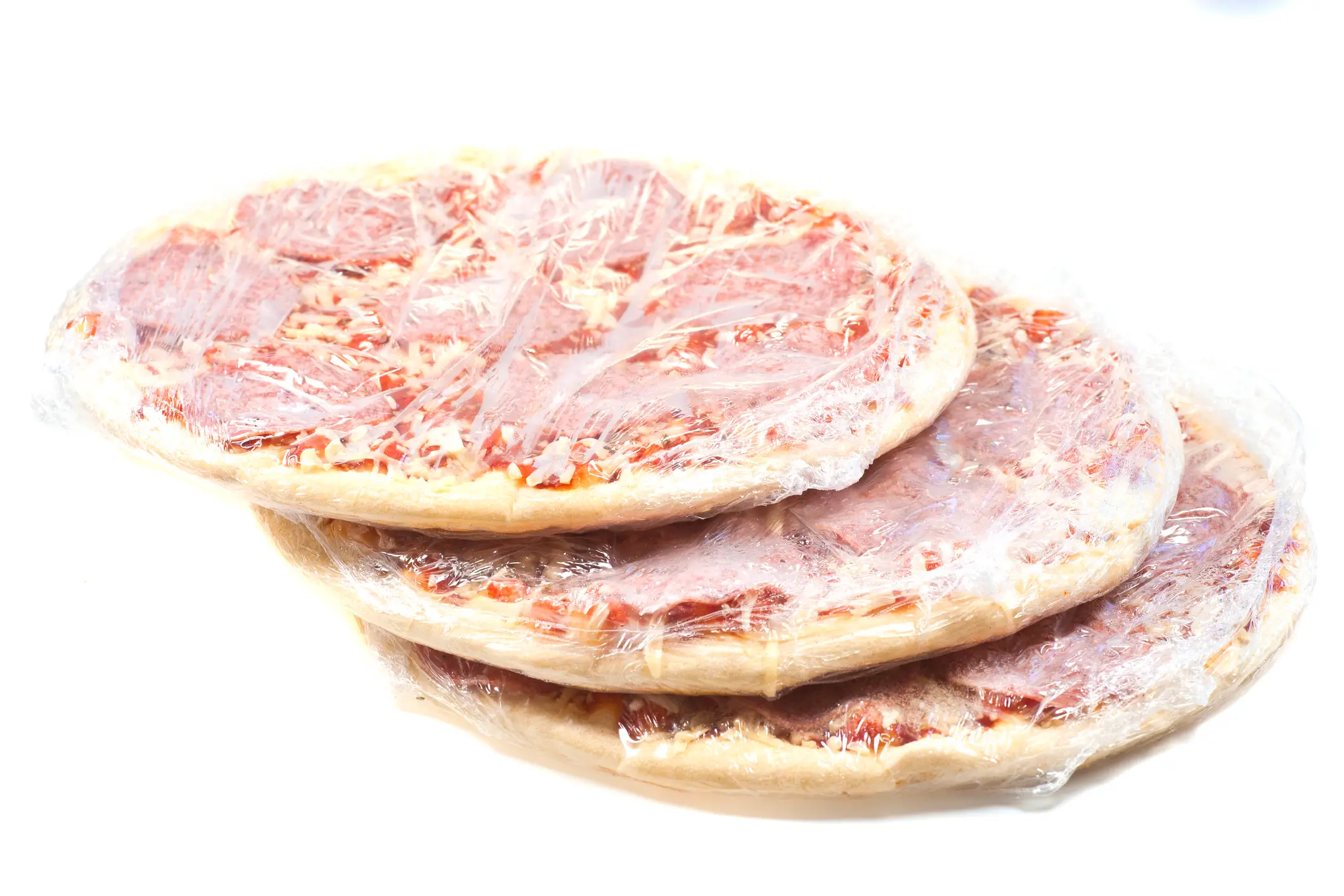
Frozen pizza
A pretty obvious one to kick things off as we surely all know that the £1 pizzas you get from the supermarkets are filled with salt and preservatives that aren't good for you.
A common ingredient in frozen pizzas is omega-6 fatty acid, which can cause serious inflammation in the brain.
James Goodwin, director of science at the Brain Health Network, says: "Chronic inflammation is one of the leading drivers of the most serious modern diseases, including heart disease, metabolic syndrome, diabetes, arthritis, Alzheimer’s and many types of cancer.”
Of course, it might be cheap and easy, but when it comes to pizzas, the ones with fresh ingredients will always be the best for your body.
Orange juice
This one has long split opinion as while we're taught from a young age that fruit is good for us, fruit juice is often packed with sugar.

Giles Yeo, author of Why Calories Don't Count, told the Telegraph: “Orange juice is going in my room 101 of pet hates, because people think it’s healthy when actually, has the same concentration of sugar as a glass of Coke."
Diet soft drinks
Another popular drink is a diet fizzy drink, with the word diet giving an impression of healthiness that simply isn't true.
This generation enjoys a diet coke more than any other, with psychotherapists describing them as 'fridge cigarettes', but the many artificial sweeteners in the drinks can do some serious harm to our guts.
Dr Saira Hameed explained: “Causing our gut bacteria to disrupt our blood sugar levels and to yield more calories from the food we eat [can drive] weight gain.”
Ice cream and biscuits
This one is tough to take, but regularly buying cheap ice cream and biscuits in the UK and US is never going to be good for us because of the high sugar content, particularly the high fructose corn syrup that is common over in the states.
Excessive intake of that particular sweetener has been linked to an increased risk of fatty liver disease, diabetes and heart disease.
“Foods containing high fructose syrups should be eliminated from your diet,” says Rhian Stephenson, nutritionist and founder of wellness brand Artah.
Processed and red meat
Another food that has been linked with causing cancer is processed and red meat, so perhaps those doing the carnivore diets online don't actually know what they're doing.
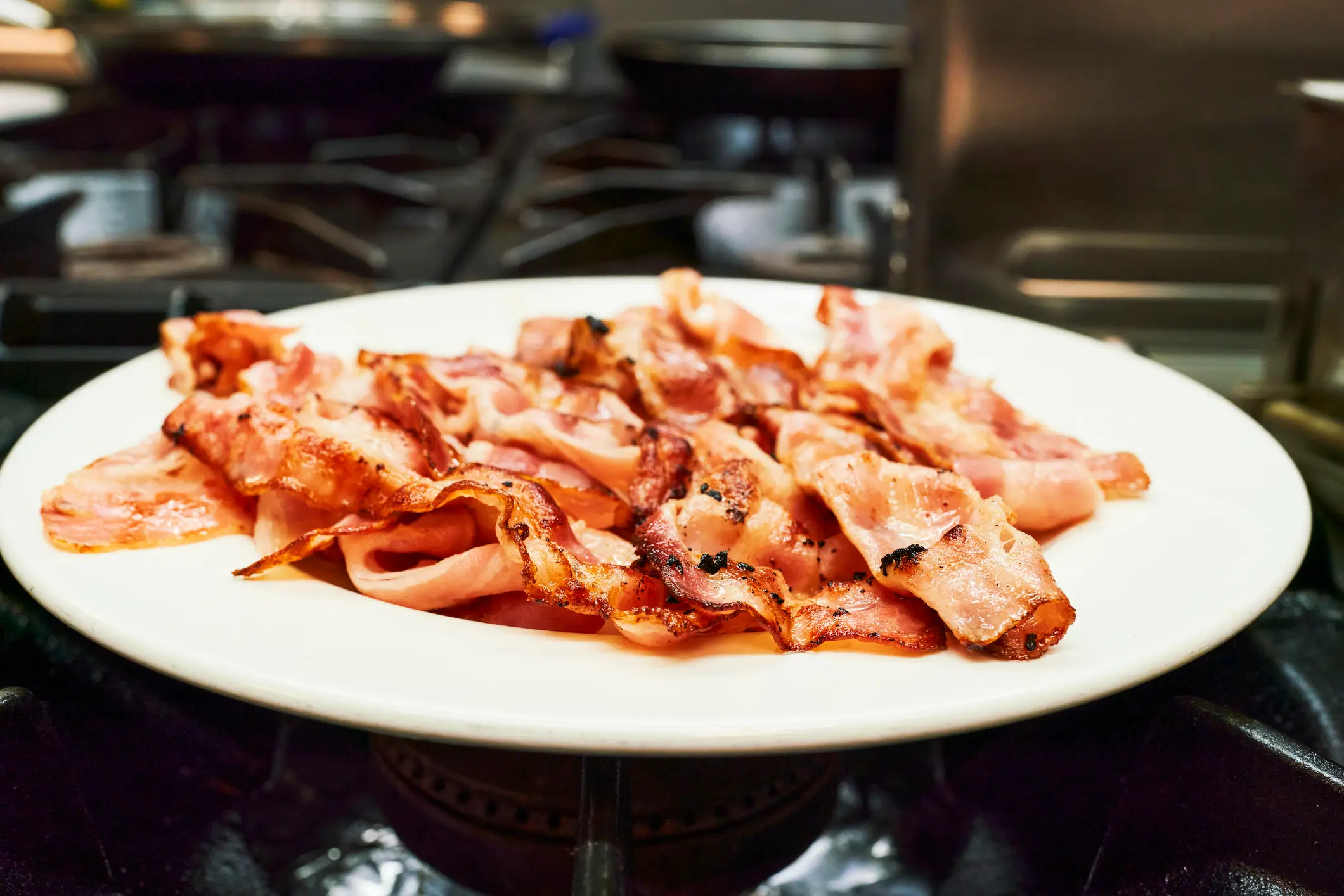
Cancer Research UK has previously confirmed that every 35g of processed meat you eat each day will lead to a 20 percent higher risk of bowel cancer. The risk rises 19 percent with every 50g of red meat.
White bread
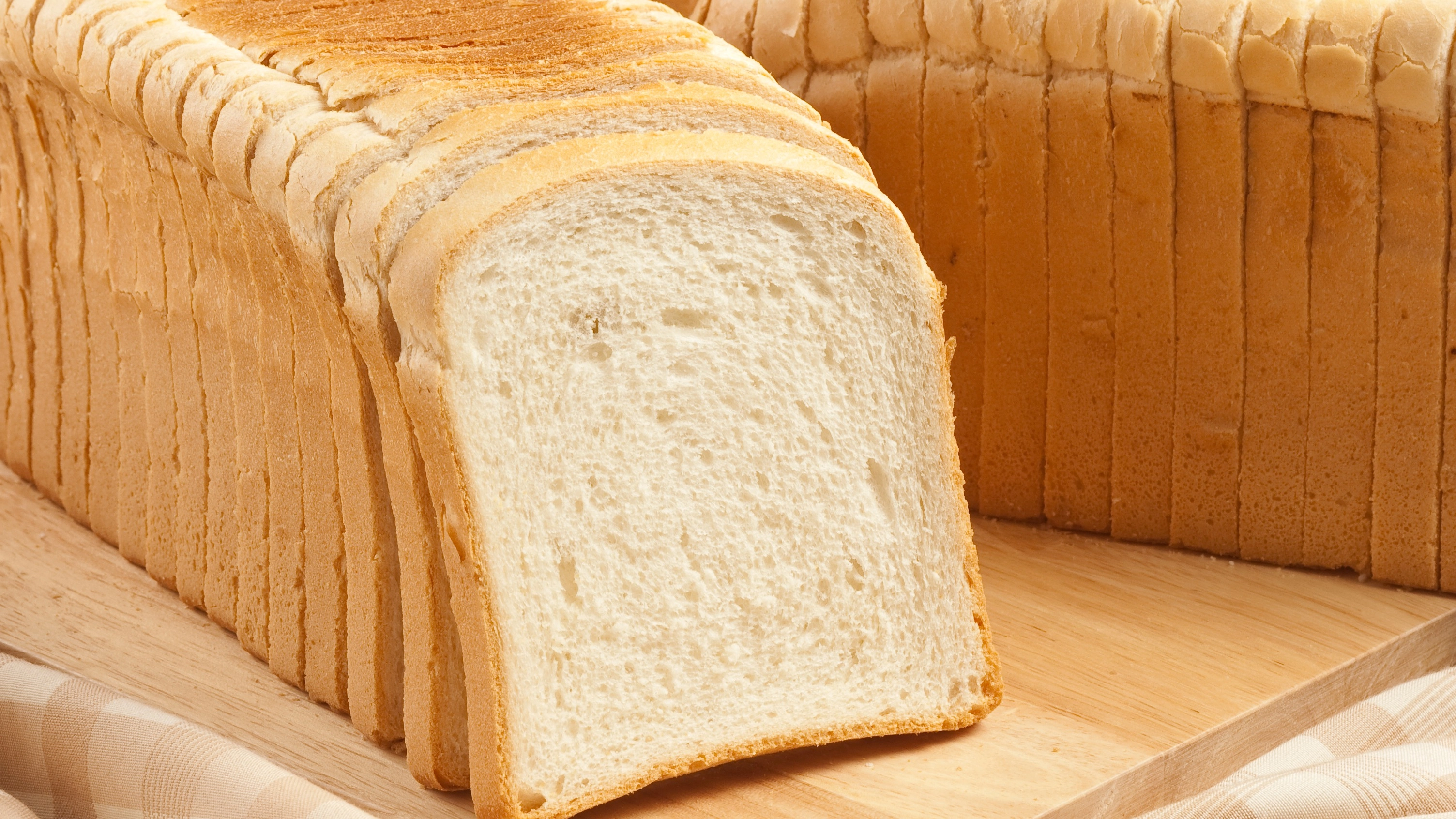
As Mark from Peep Show put it best, white bread is the pudding for the brown bread main course, and he wasn't far off with that description as nutritional expert Lucy Miller explains.
She said: "It is a highly refined carbohydrate that contains little nutritional value, is the largest contributor to salt intake in the UK and is also a food that is high on the glycaemic index – a measure of how quickly and dramatically foods increase blood glucose levels.”
So maybe stick to homemade and freshly baked loaves rather than the packaged stuff, as high salt intake can lead to high blood pressure and ultimately heart attacks and strokes, according to the NHS.
Low-fat flavoured yoghurt
This one certainly is a surprising inclusion but when they are low fat, sugar is pumped in to replace the flavour in the yoghurt, which naturally isn't good for us.
Natural full-fat yoghurts or Greek yoghurts are probably the better option in this case.

Dr Emily Leeming, senior nutrition scientist at King's College London, said: “There’s a threshold for harm from added sugars starting at around 65 grams a day, so the higher you go above this the more this is linked to poor health. Remember though, it’s what you eat over time that matters, not a single day of eating.”
Booze
No surprises here as regular alcohol consumption has long been thought of as bad for our health, although more people these days are going sober entirely.
Alcohol intake has also been linked to cancer, with young adults already warned about one sign of the disease that can appear when drinking,.

If you do still partake in an occasional tipple, then having the odd beer or glass of wine isn't going to do all that much damage. Like many things, it's about enjoying it in moderation.
“Very modest drinking – a small glass of wine, or a small beer, with a meal, a few times a week, might be good thing,” explains dietician Duane Mellor, as it can help boost mental health and socialisation.
Coconut oil
This one is another surprising inclusion but you might be better off sticking to high quality virgin olive oil.
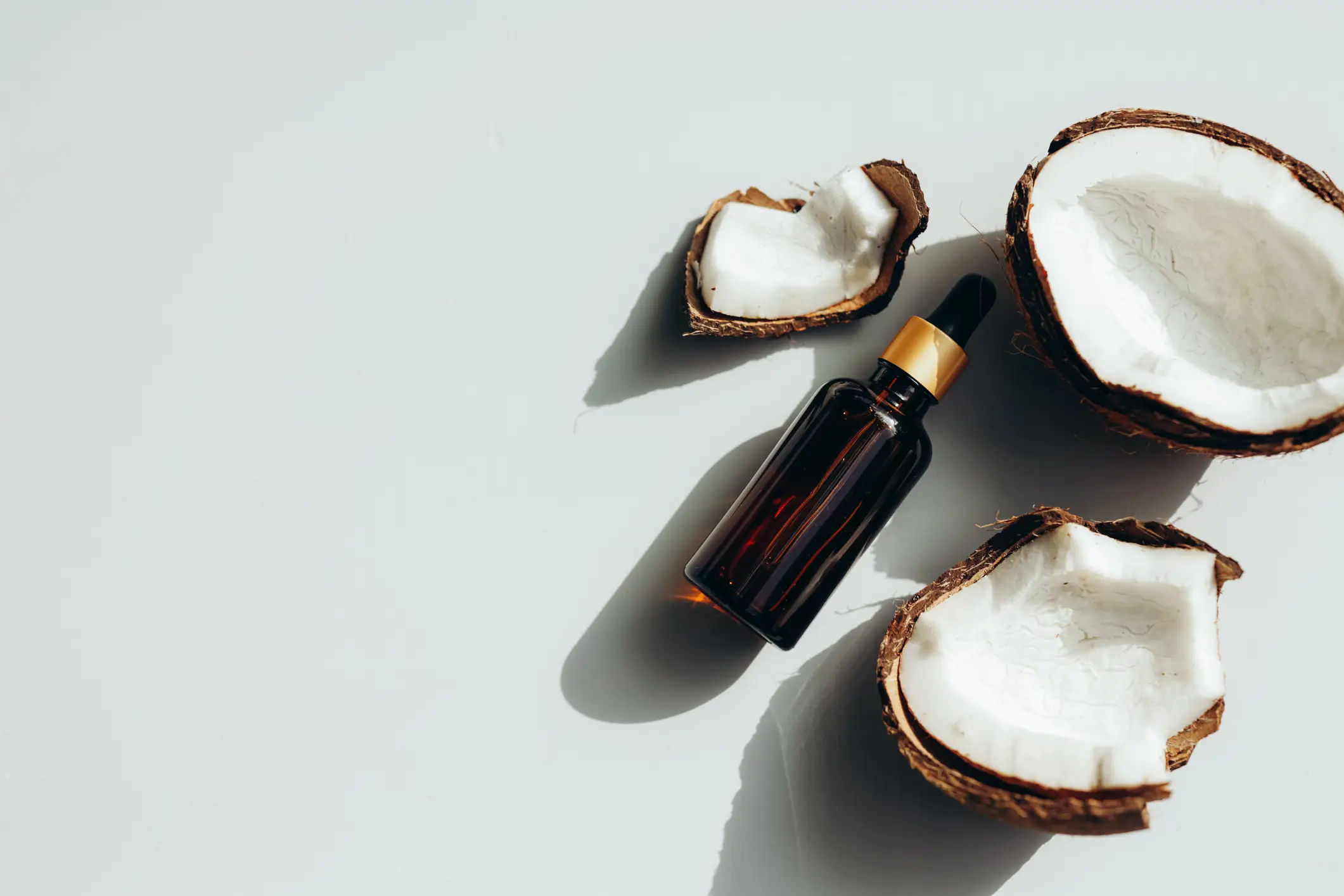
Dr Emily Leeming explains: “Coconut oil gets a lot of press and a reputation for being good for you, but that isn’t based on science.
"Actually, it contains about a third more saturated fat than butter and reducing your saturated fat intake is important for lowering your risk of heart disease.”
Other ultra-processed foods
If you can keep the other nine things out of your weekly food shop, then it's important you don't fill the gaps with other cheap and easy foods, like ready meals or pot noodles, as these can also be ultra-processed.
It's vital that you have a healthy balanced diet with lots of vegetables and fibre, which these foods often don't include.
Topics: Health
 James Moorhouse