Man stopped sweating and lost all his hair months after getting tattoo with experts thinking colour of ink to blame

A man experienced a number of health issues after developing a rare condition just months after getting a tattoo on his forearm.
The unnamed 36-year-old's medical headache involved the loss of all his hair and being robbed of his ability to sweat, with experts left pointing towards one thing: the tattoo itself.
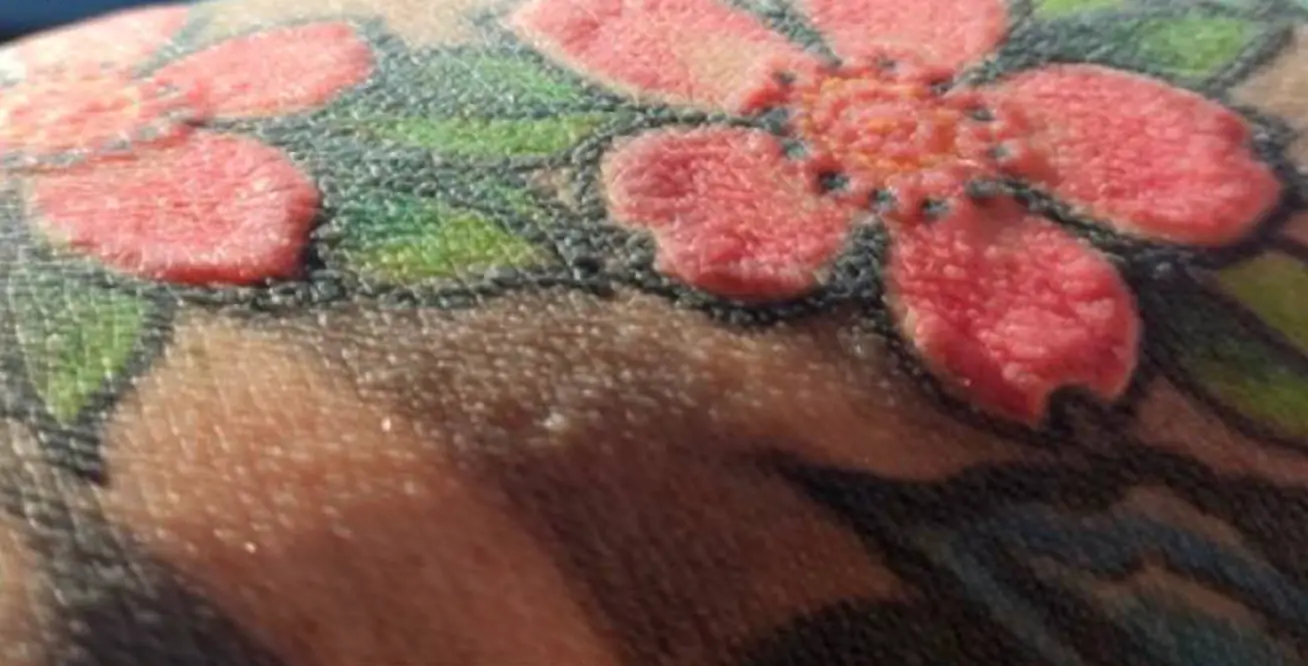
The Polish man had a red flower sketched onto his forearm, but four months later, he started to experience intense itching, skin peeling and a rash forming around the tattoo.
Before long, the irritation spread across his entire body, with lumps eventually becoming large, inflamed patches.
Advert
The rash then developed into erythroderma, a serious medical condition which leaves the skin inflamed, red, and peeling.
This case has forced scientists to think closely about the issues around some modern tattoo inks and how they can affect the immune system.
The man ended up eventually losing all the hair on his scalp, face and body as a result of alopecial universalis.
He also experienced reduced sweating, known as hypohidrosis, which developed into total anhidrosis, which means that his body could no longer sweat and cool itself naturally.
Medics eventually theorised it was a reaction to red tattoo ink specifically, that was causing it.
A report was written on the case, which was published in Clinics and Practice back in November 2025, adding to the new studies which have been published on the health risks of getting permanently inked.
Doctors from Wroclaw Medical University, in Poland, wrote: “The man reported significantly reduced exercise tolerance and was unable to perform any work due to the risk of heat stroke.”
After skin test results were gathered, it was found that an immune response was likely triggered by the contents of the red tattoo ink itself, causing all these health issues.
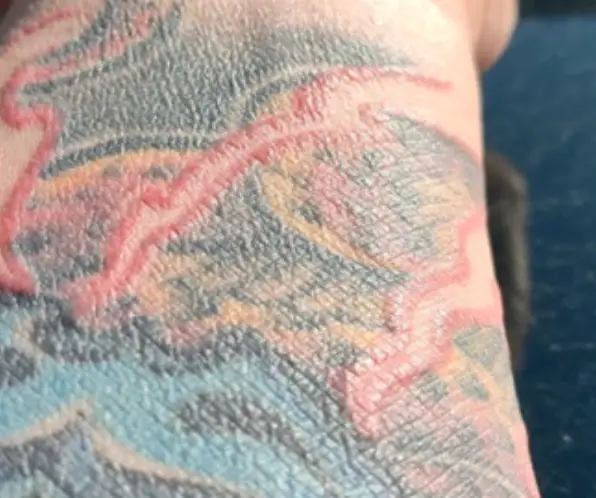
The paper explained: “Complications of a red ink tattoo, marking a rare and previously unreported case of such extensive reactions.”
Treatments followed in the months afterwards, with steroidal drugs to suppress immunity and surgical attempts to remove the tattoo in question proving unsuccessful as his condition didn't improve fully.
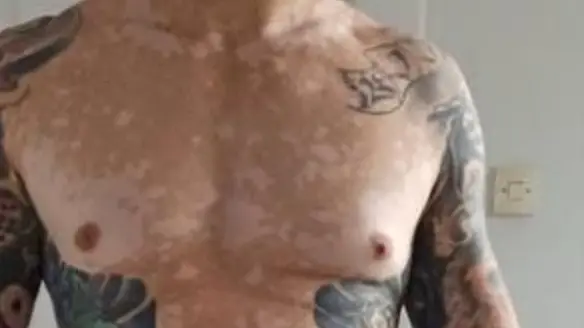
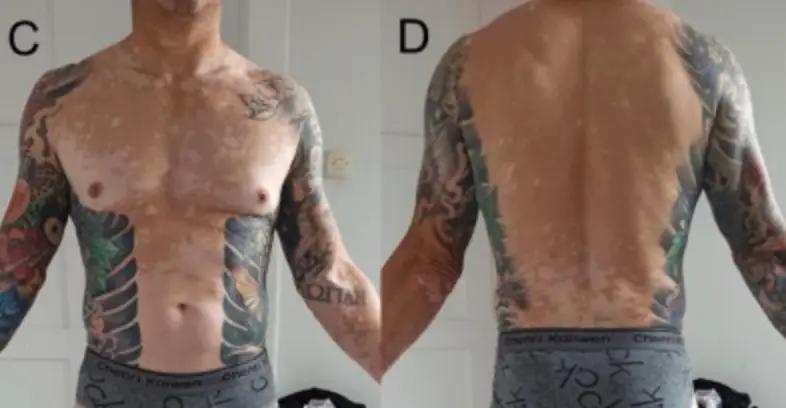
The ordeal continued, with the man going on to develop vitiligo, a disorder which causes patches of skin to lose their colour.
On the positive side, his hair started to grow back, and his skin condition stopped getting worse, though his ability to sweat never returned to normal.
The report added: “Only after the complete removal of the red tattoo ink… was hair growth restored and the progression of vitiligo halted.
“However, there was no effect on anhidrosis.”
Doctors explained that tests revealed his sweat glands had been destroyed and replaced with scar tissue, adding: “These findings suggest a very low likelihood of sweat function recovery.”
He now needs spray bottles to keep cool and avoid overheating altogether.
In the UK, one in four adults sports some sort of ink, as concerns about health complications coming from tattoos continue.
Most of the worries are around red ink, which has been linked with itching, swelling and granulomas (small inflammatory nodules).
Allergic reactions 'can occur months or even years' after getting the ink done, with studies even suggesting that sun exposure or changes in immune function could trigger the changes.
Many countries don't have strict regulations around tattoo inks, though the EU introduced strict limits on them in 2022.
Red ink has included the likes of mercury, cadmium, and arsenic in the past.
Researchers noted that the Polish man got the tattoo in 2020, before these new regulations, though dermatologists are still scratching their heads over the tattoo's link to his loss of sweating.
They believe chemicals may have attacked his immune system, as researchers penned: “Previous studies have demonstrated impaired sweating in tattooed skin, suggesting functional alteration of eccrine structures.
“These data support the concept that tattoo-related immune activation may extend beyond the local site, contributing to systemic dysfunction."
 Joshua Nair