
Tattoos could have major long term health risk, study suggests

People who have adorned their skin in artwork have unknowingly been putting their health at risk, a new study suggests.
Swiss scientists have made some alarming findings after conducting research into the impact that tattoo ink has on the body.
Although there has been research carried out into its toxicity, boffins wanted to investigate how it can influence our immune responses.
The research team led by Professor Santiago Gonzalez gave 40 mice tattoos in black, red and green ink on their feet.
Advert
They then monitored how the ink spread in the mice with a fancy microscope known as an electron microscopy (EM), according to the research that was published in the Proceedings of the National Academy of Sciences.
Experts discovered that the tattoo ink quickly travelled through their lymphatic system, and within a few hours, a large quantity of the stuff had accumulated in the lymph nodes.
Macrophages - which are white blood cells that engulf and digest nasty pathogens in our body - then absorbed the ink, causing a 'crazy inflammatory reaction' in the mice, Gonzalez said.

These macrophages then died after about 24 hours, releasing the ink, and the whole process started again with new macrophages.
According to the researchers, this vicious cycle leads to chronic inflammation - and they warn that in some cases, this could persist for years.
Two months after being tattooed, the animals' inflammatory markers were up to five times higher than usual... which is probably pretty bleak news to digest if you're someone covered in ink.
Unfortunately, that's not all the experts found either - as the research suggests that, as well as causing everlasting changes to the immune system, tattoo ink can even affect how you respond to vaccines.
The tattooed mice were given an mRNA-based COVID-19 vaccine and appeared to have a reduced response to it, perhaps because their lymph nodes were still brimming with ink.
"When you’re tattooing, you’re actually injecting ink into your body," Gonzalez told New Scientist. "It’s not just a cosmetic effect that’s associated with the skin; there are effects on the immune system as well.
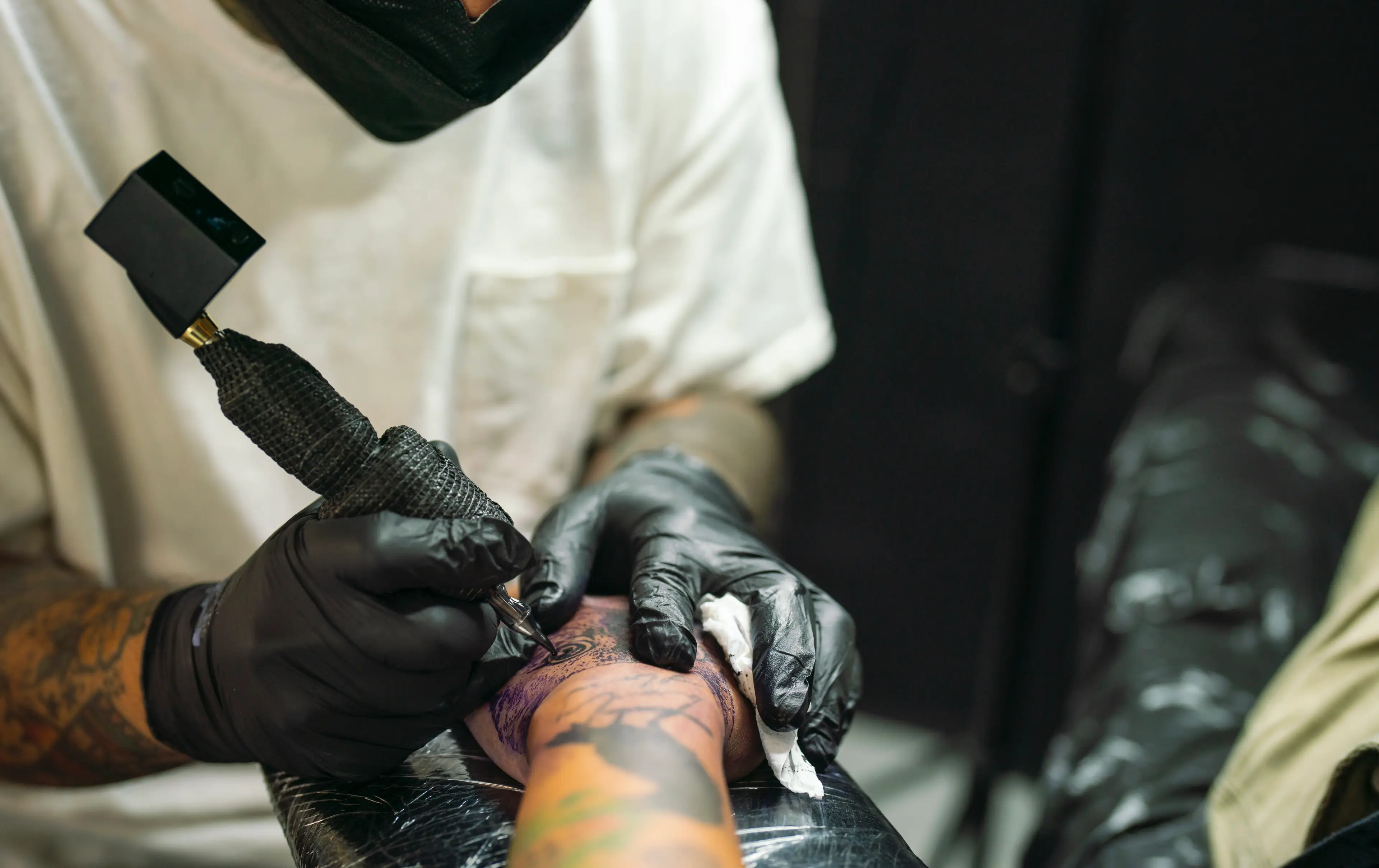
"The problem is that, in the long term, inflammation ends up exhausting the immune system and then you have a higher chance of getting infections or some types of cancers.
"So there are a lot of open questions that need further study."
The Swiss research team also analysed lymph node biopsies from humans who had tattoos, with Gonzales saying that they were 'were completely full with ink', just like the mice.
Removing your tattoos won't help either, according to the expert, as he added: "You can eliminate the ink from the skin, but you can’t eliminate it from the lymph nodes."
The authors of the study said of their findings: "This work represents the most extensive study to date regarding the effect of tattoo ink on the immune response and raises serious health concerns associated with the tattooing practice. Our work underscores the need for further research to inform public health policies and regulatory frameworks regarding the safety of tattoo inks.
"Considering the unstoppable trend of tattooing in the population, our results are crucial in informing the toxicology programs, policymakers, and the general public regarding the potential risk of the tattooing practice associated with an altered immune response."
A previous study published by Sweden's Lund University warned that 'the risk of developing lymphoma was 21 percent higher among those who were tattooed'.
 Olivia Burke