The diet that might cut your risk of dementia after expert warns nearly half of cases could be prevented

There is a diet that has been shown to lower the risk of dementia, according to a study.
Dementia is considered 'a general term for loss of memory, language, problem-solving and other thinking abilities that are severe enough to interfere with daily life', according to the Alzheimer's Association.
"It's an overall term to describe a collection of symptoms that one may experience if they are living with a variety of diseases, including Alzheimer's disease," the charity explains.
Research shows that approximately 982,000 people are living with dementia in the UK, with one in 11 people over the age of 65.
Advert
While there are many possible causes of dementia, the result of physical damage to brain cells, Professor Catherine Mummery insists that dietary changes can decrease your risk of getting it.
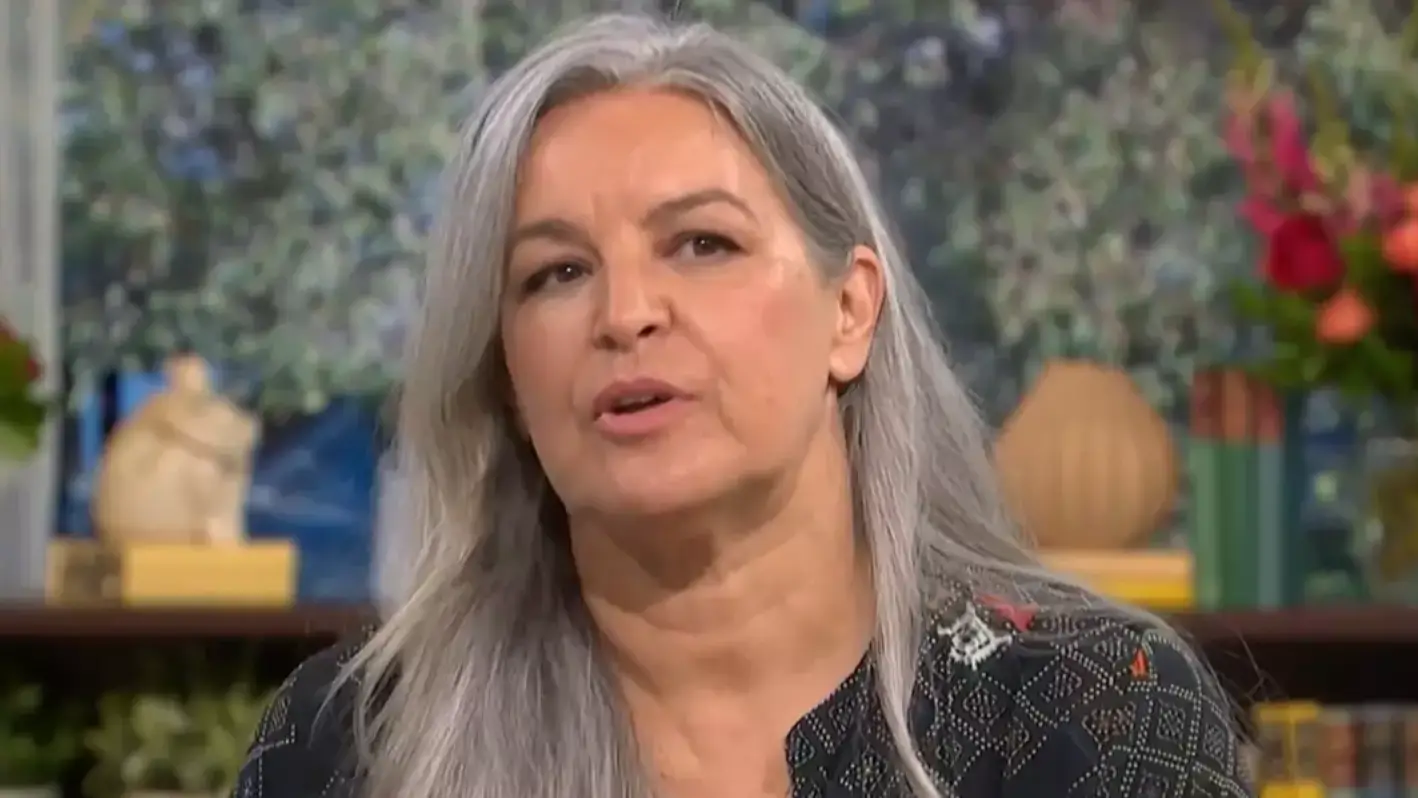
"45 percent of dementia is preventable if you modify your risk factors," Professor Mummery explained on This Morning.
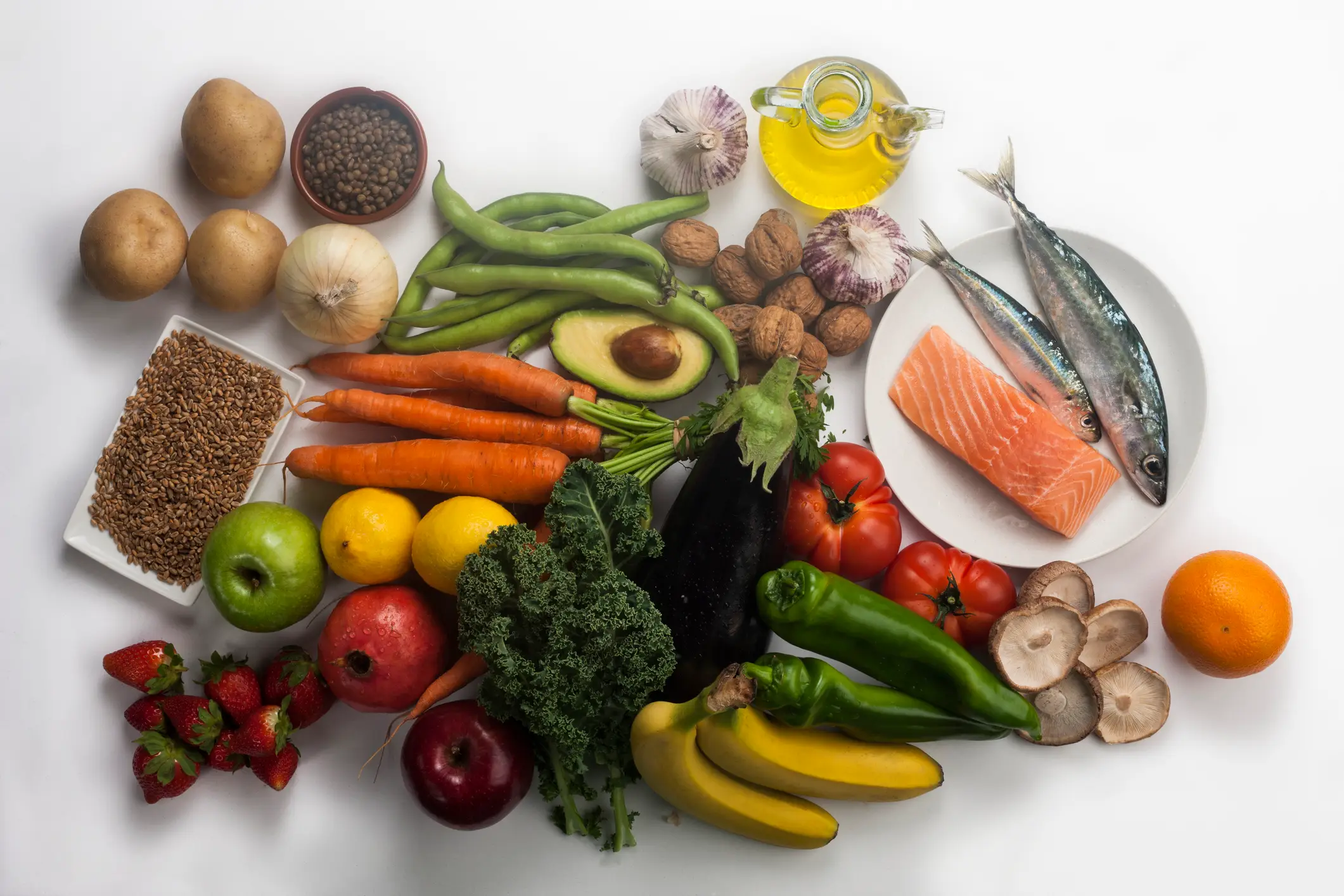
As well as regular physical and mental exercise, she recommended opting for a diet full of 'vegetables, lots of fresh food,' while avoiding 'processed stuff and too much sugar'.
What's the MIND diet?
The MIND diet, which stands for Mediterranean-DASH Intervention for Neurodegenerative Delay diet, is supposed to boost brain health and has been shown to reduce the risk of developing dementia.
It recommends limiting red meat, butter, cheese, sweets, and fried foods because they have been linked to processes that accelerate brain ageing.
10 'brain healthy foods' include:
• leafy greens - high in folate and vitamin K
• berries - rich in antioxidants
• nuts - healthy fats
• wholegrains - high in fibre
• fish - for omega-3 fatty acids
• beans - for protein and fibre
• poultry - great protein source
• olive oil- for cooking

Does it lower the risk of developing dementia?
Early research published in Alzheimer’s & Dementia in 2015 followed more than 900 people for around four and a half years and found that those who adhered most closely to the MIND diet reduced their Alzheimer’s risk by 53 per cent.
A large 2023 review in JAMA Psychiatry involving 224,000 participants also reported a 17 per cent lower risk of dementia among those who closely followed the diet.
Meanwhile, another study in the same year from the New England Journal of Medicine found no changes in cognition between two groups, one of which had switched to the MIND diet. However, it acknowledges its limitations, such as its three-year timeframe, so its long-term impact remains a question for further research.
Dr Susan Mitchell, Head of Policy at Alzheimer’s Research UK, said: “While there are no sure-fire ways to prevent dementia yet, a diet rich in fruit and vegetables, along with plenty of exercise and not smoking, all contribute to good heart health, which in turn helps to protect our brain from diseases that lead to dementia.”
However, she noted that 'while there is a wealth of evidence that eating a healthy, balanced diet can help reduce the risk of cognitive decline, evidence for specific diets is much less clear cut'.
Topics: Food And Drink, Health, Mental Health
 Anish Vij