
Signs you're taking too much creatine as 'ideal dose' revealed

The effects of creatine have been debated for years, and while some believe ingesting a higher dose will prove to be more beneficial, the true 'recommended dose' has been revealed.
This natural compound is produced from amino acids in organs such as the liver, kidneys, and pancreas.
Creatine is stored mainly in the muscles to provide rapid energy during high-intensity exercise, making it the perfect pre-workout supplement for people who want to go harder for longer.
But while it’s a great workout aid, it's also linked to other supposed health benefits, such as protecting against cognitive decline and managing symptoms of long Covid.
Advert
According to the Oncology Nursing Society, pre-clinical experiments found that creatine seemingly suppressed cancerous tumour growth; however, it was also found to promote colorectal and breast cancer metastasis, so more research in that field is needed.
It’s only natural that you’d want to take more to really see what it can do, but according to Harvard University and experts who spoke with Men’s Health – there is an optimal dose that’s safe, and doesn’t give you the side effects you’d experience if you were taking too much.

How much creatine should you take a day?
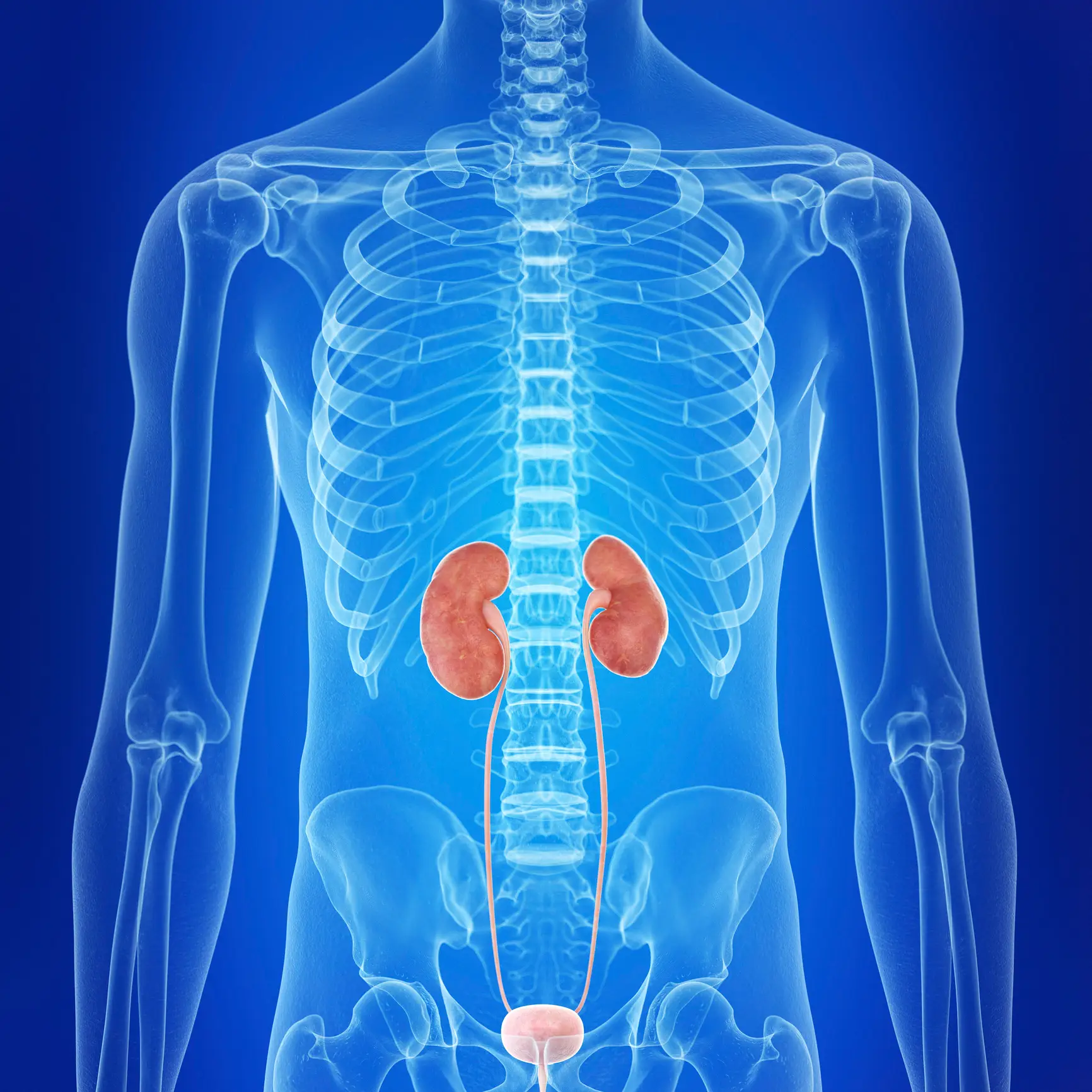
An adult dose of 3 to 5 grams of creatine daily is generally safe for most people, according to Harvard. However, people with kidney disease should consult their doctor first, as it may affect kidney function.
Some people will retain some weight within the first week they start supplementation because of the water retention, but have no fear, as it's only temporary.
What does creatine do to your body?
Once you start taking creatine, most of it goes to your skeletal muscle, which then helps produce an energy source called adenosine triphosphate (ATP) that your cells use during exercise, according to the Cleveland Clinic.
Creatine also helps speed up muscle recovery, increase anabolic hormones, and boost water content in cells. Physical attributes of creatine also include a more 'leaner' appearance, as one influencer discovered after three months off.
Of course, that sounds harmless, but apparently, you can take too much of it and cause a bad reaction.
What are the side effects of too much creatine?
According to Holland & Barrett, too much creatine can cause a person to experience things like muscle cramps, dehydration, dry mouth, dizziness, hair loss, and even liver and kidney damage in some.
According to American golfer Ben Griffin, he ‘overdosed’ on the supplement at the start of the final round at the BMW Championship after getting down to the bottom of his tub and consuming a ‘large rock’ of it.
Previously, he admitted to usually taking 15mg of creatine daily, but said after taking it, he began to feel ‘super shaky’ and like he ‘had tremors’.
He told CNN Sports: “The problem was, I have a tub and I was basically down to the very end, and I just had this rock of creatine that was all built up together.”
But Men's Health fitness director, Andrew Tracey, said it’s ‘highly, highly unlikely that creatine is the culprit here’ when it comes to what Griffin experienced.

He said the 15mg quoted is equivalent to 0.015g, and the daily recommended dose of creatine is 3-5g (5,000mg), as higher doses have been linked to things like water retention.
This would mean that the tiny dose Griffin says he takes daily would ‘be hard to even measure out such a small dose’, while he said that as for his ‘overdose’, even a ‘large lump of dried creatine is only likely to be around a standard dose of 5g’.
Dispelling the golfer’s account, he said: “There's no real mechanism via which creatine could have caused the effect Griffin describes, especially at such a pedestrian dosage. It seems more likely that either he was using a creatine blend that contained other ingredients, such as caffeine and other stimulants.”
If you’re unsure about taking creatine, some foods tend to have richer amounts of it, like different meats, fish, and cow milk.
There are other options on the market you can use instead, but making sure you know what is in them and how they interact with your body is key to taking them safely.
If you're not sure - consult your GP.
Topics: Health
 Britt Jones