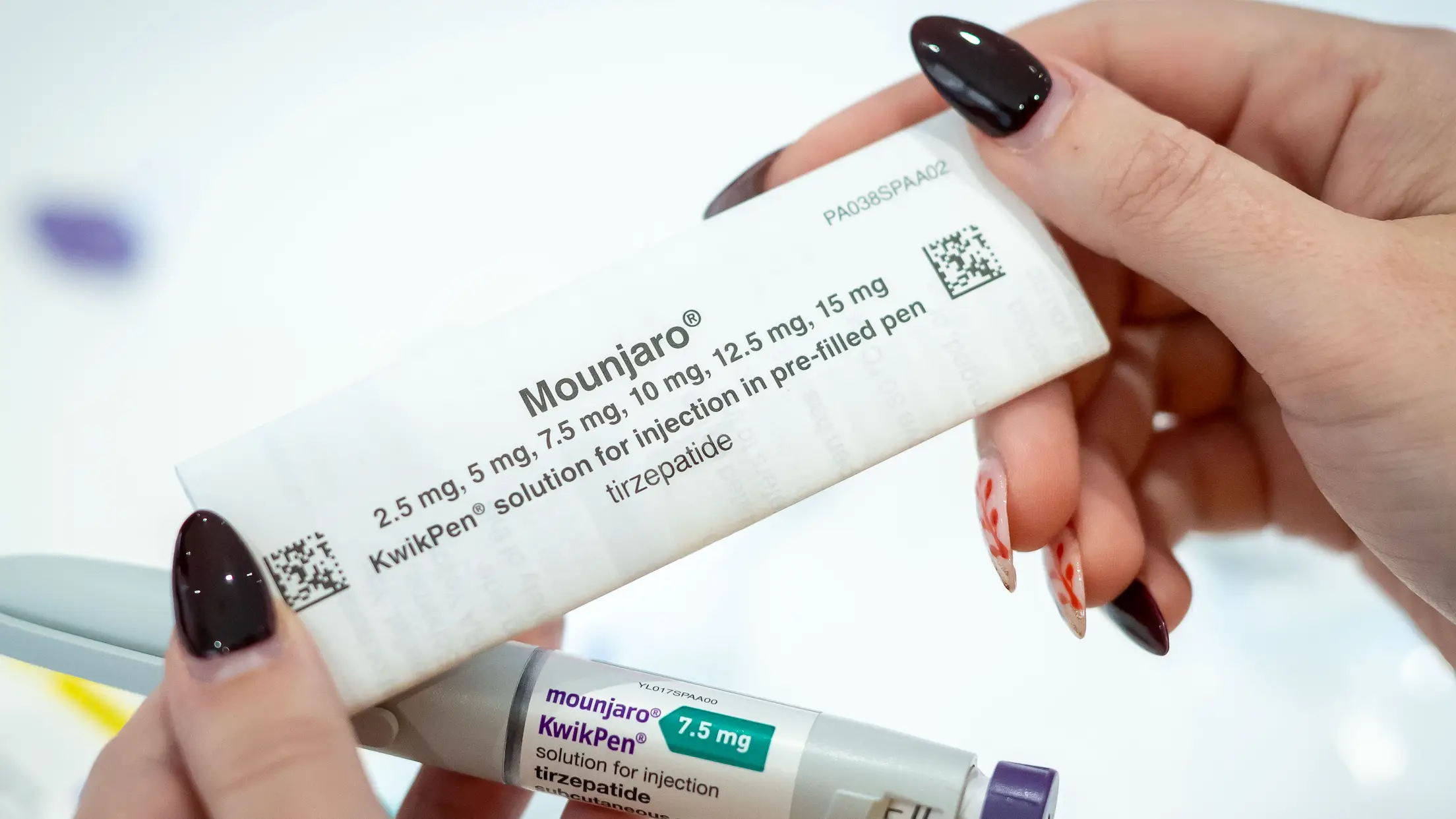
Top Cambridge professor shares true impact of Mounjaro and side effects

The positives and negatives of Mounjaro have been outlined by a Cambridge professor, who has explained the common side effects.
It's no secret that GLP-1 drugs are continuing to sky-rocket in popularity, with it believed that almost three million people in the UK alone use the medications.
While they were originally made to help patients with diabetes, the number of celebrities who have shared their experiences using the likes of Mounjaro or Ozempic (the latter of which has not been approved for weight loss purposes in the UK) has likely contributed to many following suit.
The drugs work by mimicking hormones to reduce hunger, which can result in a number of side effects.
Advert
Giles Yeo, a professor of molecular neuroendocrinology at Cambridge University, explained to the Daily Mail: "There are always risks to taking drugs, and as millions more take these particular ones, the data will become more defined."
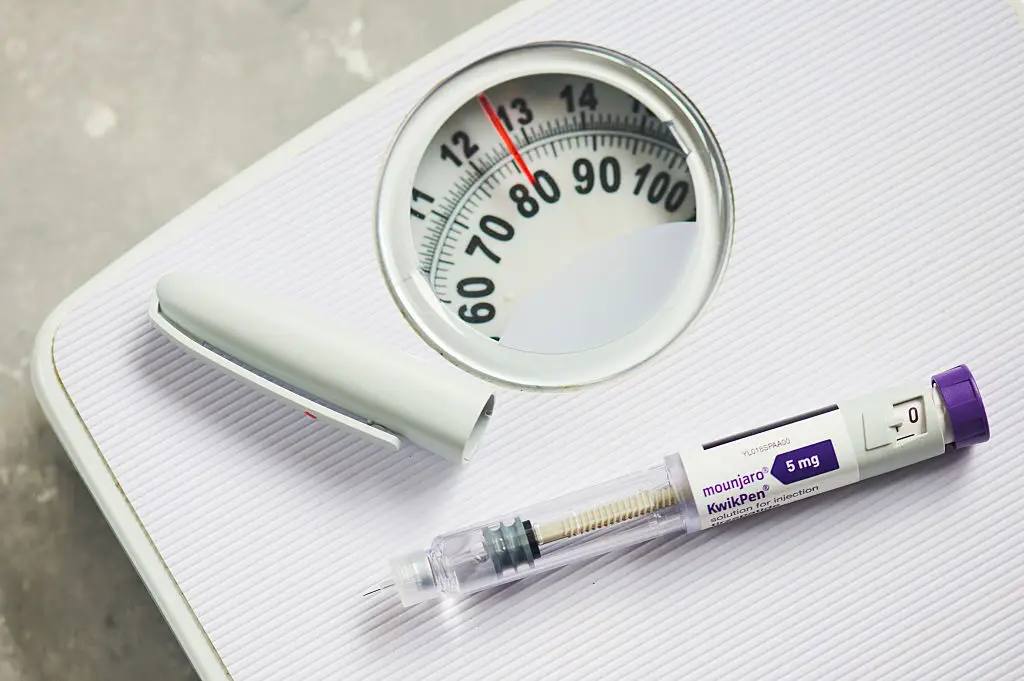
The Brit said that the data is 'limited', adding that 'around 75 percent of people will experience no measurable side-effects [on GLP-1s] at all'.
So if you're considering using Mounjaro, here's the reality behind its perceived side effects, according to Professor Yeo.
Drinking and smoking habits
It's been reported that having jabs like Mounjaro could result in users cutting down on alcohol and tobacco, though Professor Yeo explained: "There are no official studies into this but anecdotally doctors are finding that around 50 percent of their patients on GLP-1 drugs are drinking and smoking less or not at all."
Foot drop
Known in the health world as 'slimmer's paralysis', the rare condition causes the foot to drop, making walking difficult after drastic weight loss.
While some experts believe that this can cause nerves to malfunction, Professor Yeo clarified: "It sounds to me that it must be due to loss of lean mass and cannot be considered a drug-specific issue."
Gastrointestinal issues
This is one of the more common side effects reported by users, which could be attributed to the drug instead of the individual.
"The likelihood of these types of side-effects increases with higher doses," the professor admitted, as many often report an upset stomach which can lead to vomiting or diarrhoea.
Hair loss
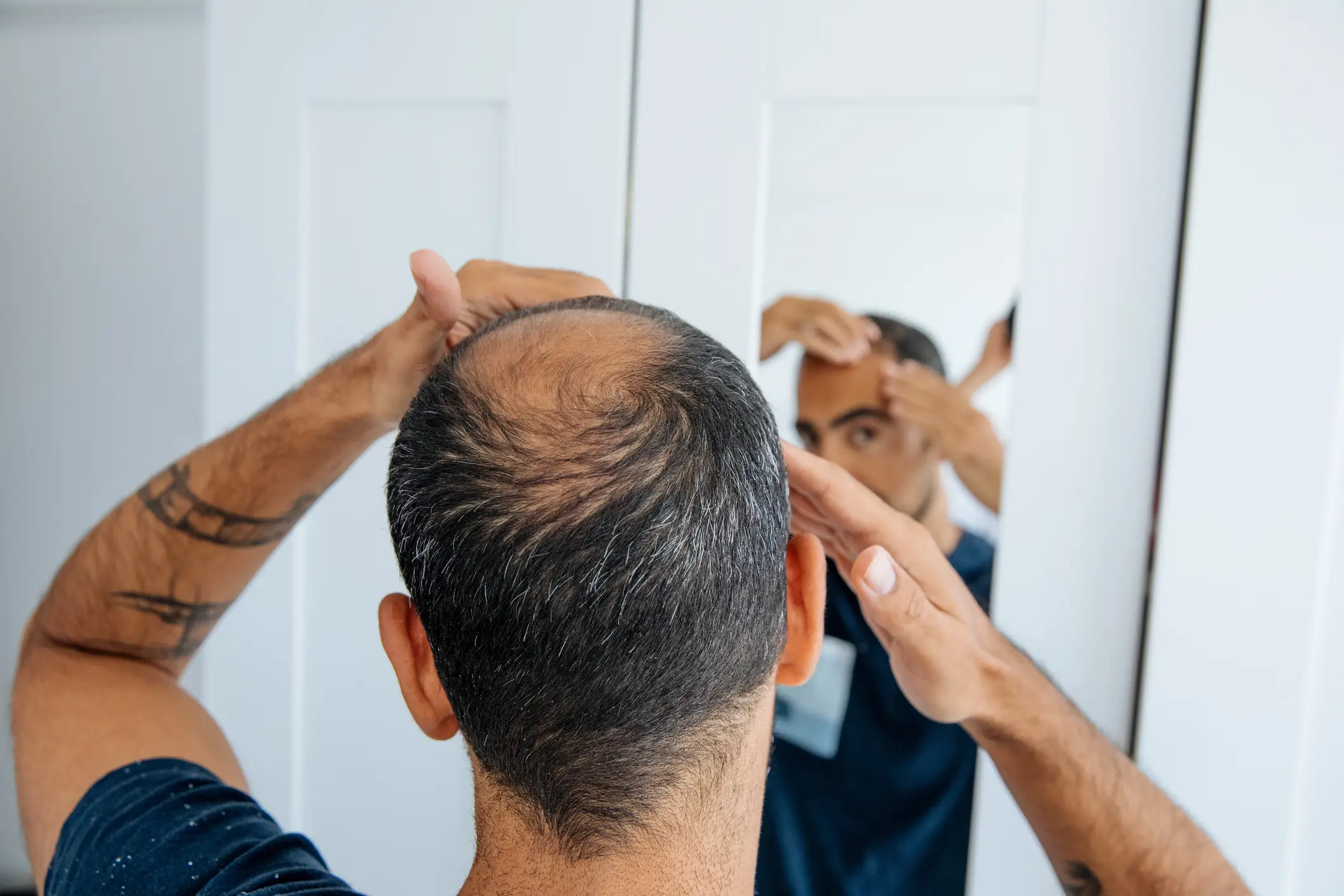
Clinical trials by Novo Nordisk and Eli Lilly (manufacturers of Mounjaro) revealed that 7.5 to 10 percent of users suffer hair loss, with some suggesting that rapid weight loss can lead to 'shedding'.
Women's health doctor Ravina Bhanot, from Zonas Fertility, previously told LADbible: "Hair loss while taking Mounjaro is a common side effect due to rapid weight loss. It is more likely linked to caloric restriction, nutrient deficiencies and physiological stress your body is under.
"The type of hair loss is called telogen effluvium, where more hair enters the shedding phase due to metabolic or emotional stress. This is usually a temporary change.
"Protein and nutritional deficiencies are key contributors. Loss of keratin can pause hair growth and increase hair shed."
Gallbladder disease
"Some of us are susceptible to gallstones and some are not," Professor Yeo explained, adding: "If you are susceptible and then you suddenly lose a lot of weight very quickly, making your gallbladder work much harder, then you will be more likely to get stones."
Several clinical trials suggested that there would be an increased risk of the disease when the jabs were taken over an extended period, but this seems to be a case-by-case basis, according to the expert.
Pancreatitis
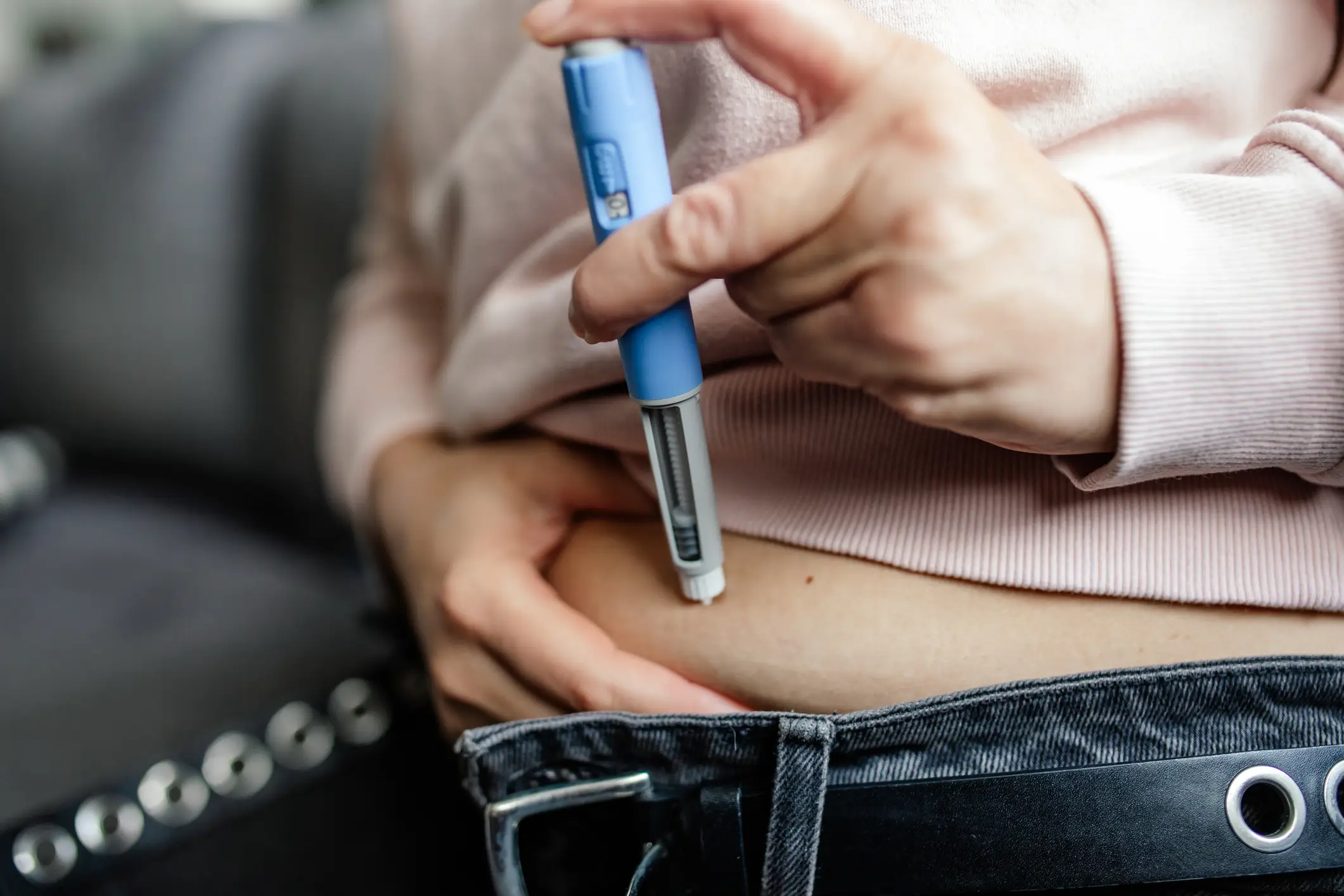
The Medicines and Healthcare products Regulatory Agency explains: "Sometimes genes can influence the side-effects an individual experiences when taking a medicine, so in the context of the increasing usage of these medicines and the reports of acute pancreatitis we have received, we are exploring this further."
Trials suggest that GLP-1 drugs don't have a significant effect on the disease.
Ozempic face/body
You may have heard of 'Ozempic face' or 'Ozempic vagina' and other body parts which change due to weight loss medication, but this isn't solely down to the drug itself.
The professor stated: "We cannot control where we lose weight from – for some it will come from the limbs but for others it will come off the face first. It’s an individual response and not drug-specific."
Is it worth it?
When faced with the simple question of the GLP-1 drugs being worth it at all, Professor Yeo says that it may not be the worst idea in the world.
He explained: "My view is that if you have a metabolic disease such as diabetes or obesity, then that is always going to be a bigger risk to you in the short, medium and long term than whatever subtle increase in risk for very specific conditions that you may, rarely, get with GLP-1 drugs."
The Cambridge specialist added: "I believe the pros outweigh the cons quite significantly."
A spokesperson from Eli Lilly told LADbible: "Patient safety is Lilly’s top priority. We take any reports about patient safety seriously and actively monitor, evaluate, and report safety information for all our medicines. Mounjaro (tirzepatide) should only be used when prescribed by a healthcare professional and prescriptions should be fulfilled and supplied by registered pharmacies and providers."
 Joshua Nair