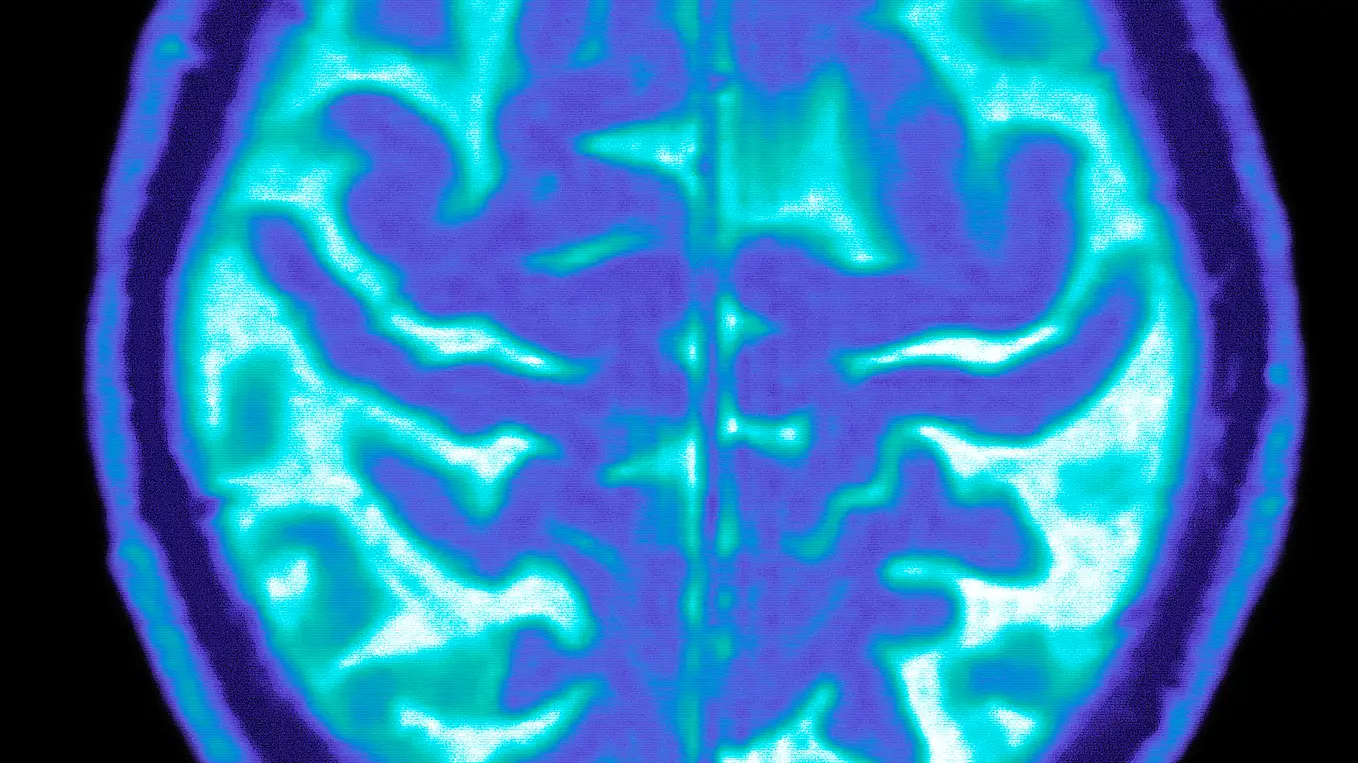
Doctor explains six physical symptoms of dementia you may not realise are linked to illness

As we age, it’s normal to start to decline in certain areas, but according to a doctor, when these signs start to show themselves, it might be something more sinister.
According to the Alzheimer's Society, there are approximately one million people in the UK living with dementia, but the projected number of people to be diagnosed rises to 1.4 million by 2040.
The progressive disease is something that sees the sufferer’s cognitive decline, impacting memory, speech, and independence.
While you might be thinking about its typical symptoms such as lapses in memory as things to look out for, according to Dr Stephanie Nothelle, a geriatrician and an associate professor at Johns Hopkins School of Medicine in Baltimore, there are more signs that point to a possible diagnosis. However, they are physical issues you might not have previously associated with dementia.
Advert
Here’s what she advises:

Difficulties with walking and keeping balance
“I find that a lot of the more physical manifestations happen later in the course of dementia,” Nothelle told Huffington Post.
However, when it comes to ‘someone’s ability to walk and maintain balance’, she explains it can come on earlier because ‘the ability to maintain your balance and walk smoothly’ requires a lot of cognitive control.
So, if these things begin to become an issue, she says it could point to dementia if followed by its other signs.

Swallowing issues
Essential motor function can be impacted too.
According to Nothelle, people with dementia might experience food that can accidentally ‘go down the wrong pipe' when eating, which can be dangerous if that actually happens and food lodges somewhere it shouldn’t be - such as the lungs.
If food gets into the lungs, it can lead to something called aspiration pneumonia, due to the bad bacteria.
“That’s why pneumonia is relatively common in the later part of dementia,” Nothelle explained.

Bladder problems
Sadly, being in control of your bodily functions can become lax as dementia progresses.
“Incontinence, unfortunately, can be a symptom of dementia,” said Nothelle.
According to the doctor, it’s because there are the nerves needed to control the bladder 'degenerate as dementia progresses'.

Feet shuffling
Lewy body dementia typically sees cognitive issues happen first before the physical changes begin, but once they become clear, you might have noticed your posture and ability to walk without shuffling has been dampened.
According to Dementia UK, dementia with Lewy bodies occurs when a clump of proteins develop on the nerve cells in the brain.
The website states, ‘slowed movement, difficulty walking, shuffling, appearing rigid’ or ‘freezing’ are common signs of the condition.

Your senses change
Another sign that is mostly specific to Lewy body dementia is a change to your taste and smell.
It can even make a person prone to ‘drooling’ as your saliva production increases.
According to Dementia UK, Lewy body dementia makes up around 10 to 15 per cent of overall dementia diagnoses, but it could be anywhere up to 20 per cent.

Fitful sleep
According to Alzheimer's Society, a person’s natural wake and sleep cycle might become disrupted as the body’s ability to detect morning and night becomes damaged.
The website states: “A person with dementia experiences physical changes in their brain because of their condition. These changes can affect how much, and how well they sleep.
A person with dementia may have problems with sleeping at night, and may sleep more during the day. They may find it difficult to get to sleep or they may wake up in the night.”
Topics: Health
 Britt Jones