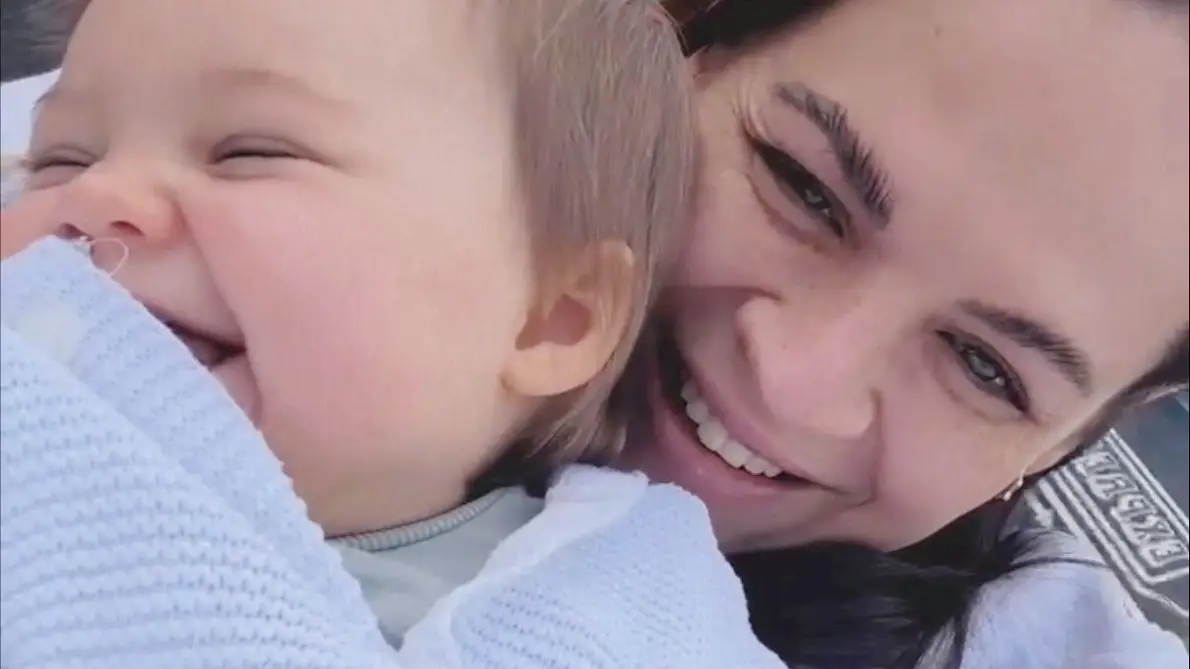
Heartbroken mum issues warning after toddler suffered fatal heart attack triggered by common virus

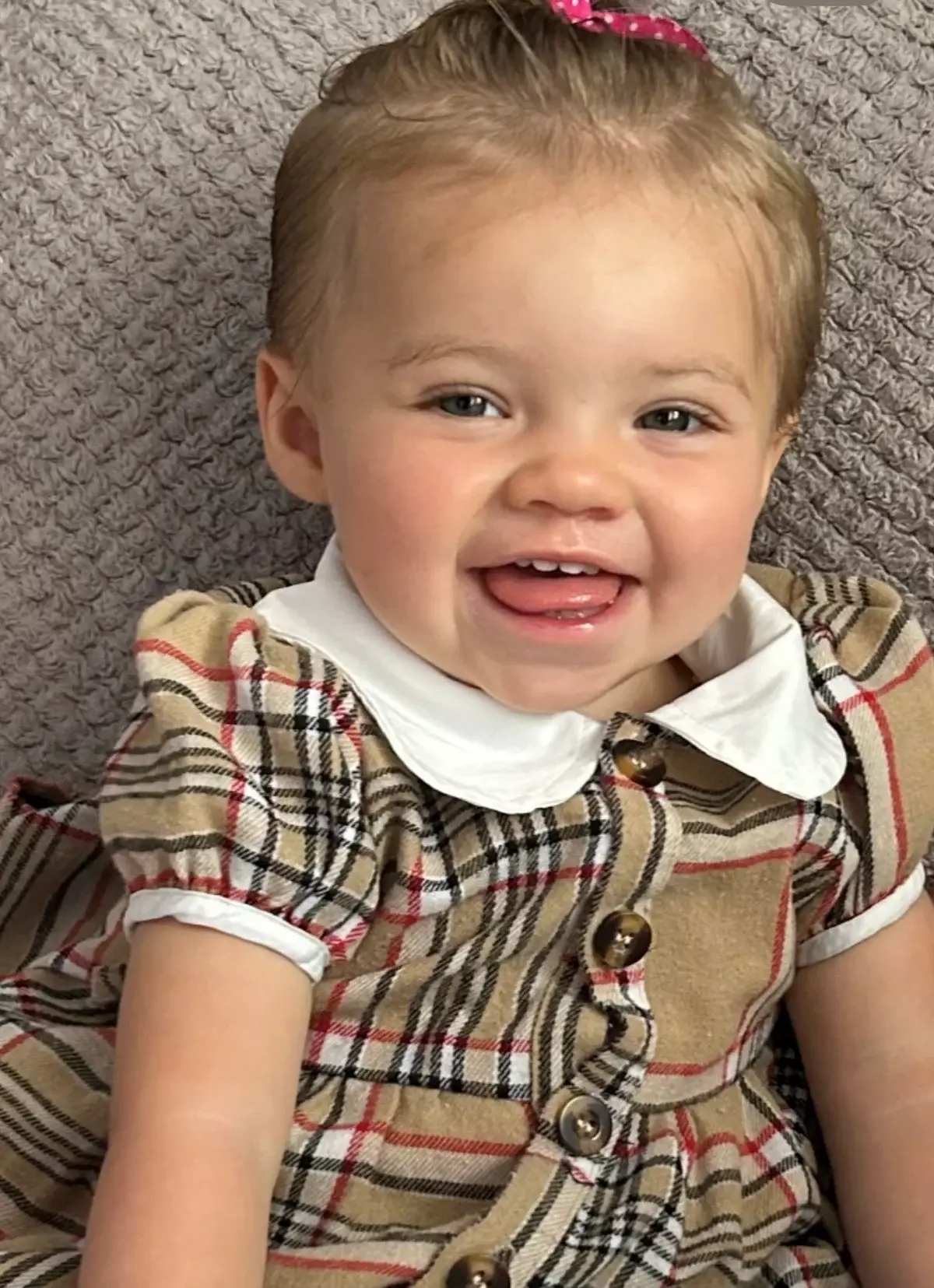
A mum has issued a warning after being told her 18-month-old daughter was 'absolutely fine' just days before she died of a heart attack caused by a common virus.
Jacqueline Malaney, 30, regularly took her toddler Connie to the doctors because of breathing problems, but the mum said they kept telling her there was 'nothing wrong'.
The child's breathing difficulties were put down to laryngomalacia, a condition where floppy tissue from the vocal cords collapses inwards and causes wheezing.
However, in July 2024, Jacqueline took her daughter to hospital after her GP said the toddler had low oxygen levels, with Connie diagnosed with respiratory syncytial virus (RSV), which is a common cause of coughs and colds.
According to the NHS, almost all children will get RSV at least once before their second birthday, though it can result in someone becoming seriously ill and, in very rare cases, can be fatal.
Doctors sent Connie home with a three-day course of antibiotics, but by the following day, she wasn't getting better and was brought back to hospital where she became more ill and suffered a cardiac arrest.
The toddler would die three weeks later, and her mum feels like doctors 'wouldn't listen' to her as the Southampton woman said her 'concerns were never taken seriously'.
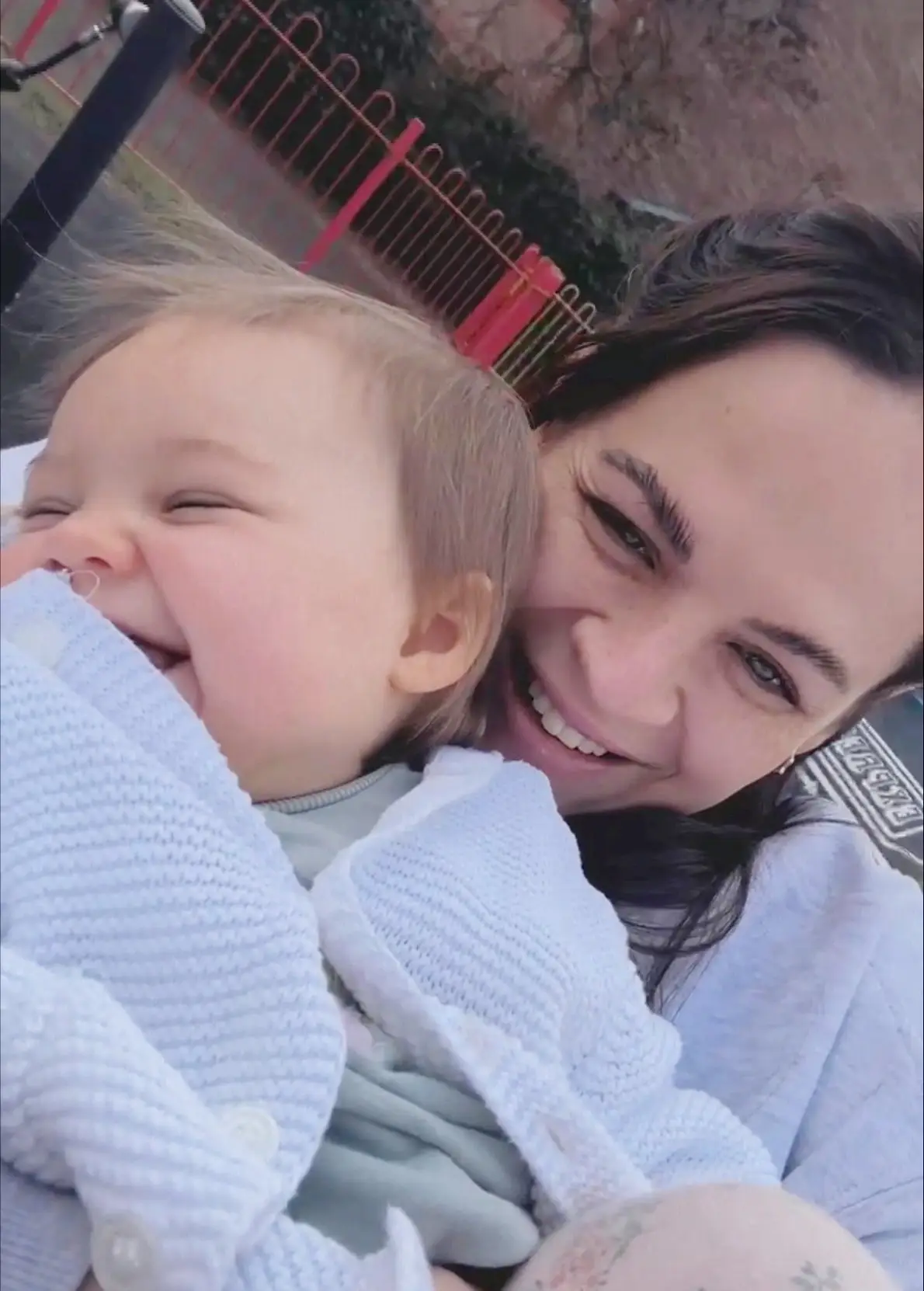
She said: "She was ill from birth, but she never got diagnosed with anything, my concerns were never taken seriously. She would get ill once a month, and when she was ill she would just lie there looking so limp and poorly.
"I was always taking her to the hospital because she sounded like she was struggling to breathe, but doctors would tell me her oxygen levels were absolutely fine.
"I knew there was something more going on, it was so frustrating."
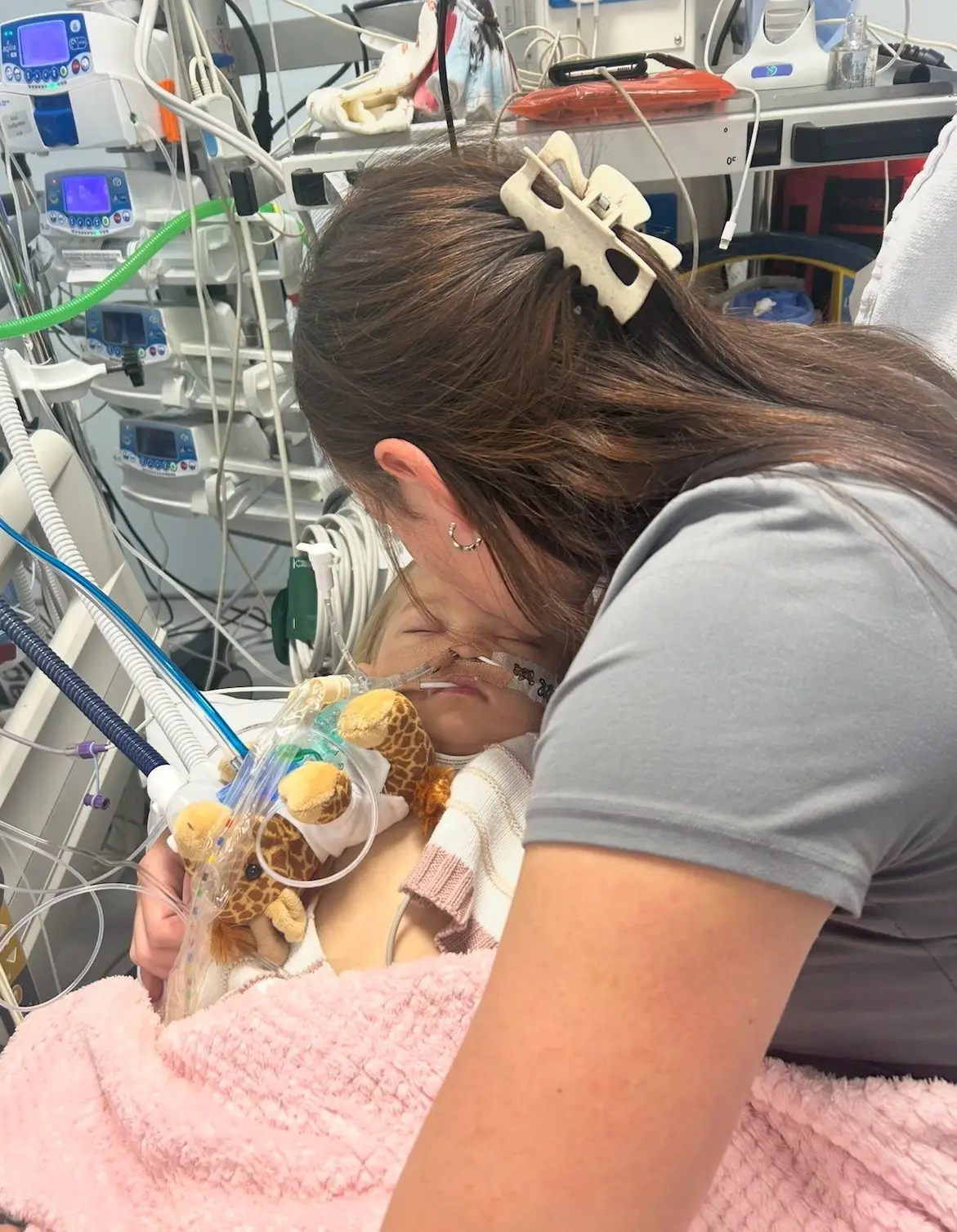
Jacqueline said her daughter was 'no more ill than the other times' when her GP said the child needed to be taken to hospital because of low oxygen levels, with the mum saying 'they were going down to the 80s'.
The mum said she 'wasn't happy' with her daughter being given antibiotics, and 12 hours later, when Connie wasn't feeling better, the hospital said she should 'keep giving her liquids' as that's what they'd do if she brought the toddler in.
"I rang 999, and she was taken back into hospital," the mum said.
"She wasn't eating, she wasn't drinking, I was fighting with doctors to make them see how poorly she was but no one was listening to me, it was awful.
"On her third day in hospital, she was blue and freezing cold, I knew she wasn't ok, but a nurse told me she was absolutely fine. I got the nurse to get a doctor, and then within seconds, she was having a cardiac arrest.
"I just don't have any answers, it's just horrible. You wouldn't think something like this would happen in this day and age. I urge mothers to trust your guts, a mother's instinct is always right, just because you have a doctor stood next to you doesn't mean they're right at all."
Doctors have said the likely reason for Connie's cardiac arrest was the child being given nebulisers, medical devices which turn liquid medicine into a fine mist, which is breathed directly into the lungs.
They said a blockage of mucus caused by the nebulisers could have caused the heart attack.
Dr Natalie Borman, Acting Chief Medical Officer at Portsmouth Hospitals University NHS Trust, said: "We would like to send our condolences to Connie’s family and fully understand how important it is for families to feel listened to and supported throughout.
"Following Connie’s death, we followed our usual process of carrying out a thorough review to identify any areas of improvement. This included reinforcing with our teams the importance of consistently recording concerns raised by family members.
“As a Trust, we display information to support family members with raising concerns about a patient’s care or wellbeing. We are committed to listening and learning from our patients and their loved ones to continue improving the way we provide safe, compassionate care.
"If anyone has concerns about the care they have received, we encourage these to be shared with us directly so that we can take action to address them."
 Joe Harker