ladbible homepage
ladbible homepage
  • iconNews
  • videos
  • entertainment
  • Home
  • News
    • UK
    • US
    • World
    • Ireland
    • Australia
    • Science
    • Crime
    • Weather
  • Entertainment
    • Celebrity
    • TV
    • Film
    • Music
    • Gaming
    • Netflix
    • Disney
  • Sport
  • Technology
  • Travel
  • Lifestyle
  • Money
  • Originals
    • FFS PRODUCTIONS
    • Say Maaate to a Mate
    • Daily Ladness
    • UOKM8?
    • FreeToBe
    • Citizen Reef
  • Advertise
  • Terms
  • Privacy & Cookies
  • License Our Content
  • About Us & Contact
  • Jobs
  • Latest
  • Archive
  • Topics A-Z
  • Authors
Facebook
Instagram
X
Threads
Snapchat
TikTok
YouTube
Submit Your Content Here
  • SPORTbible
  • Tyla
  • GAMINGbible
  • LADbible Group
  • UNILAD
  • FOODbible
  • UNILAD Tech
Four deadly cancer red flags that can be found in your legs

Home> News> Health

Published 20:39 11 Nov 2024 GMT

Four deadly cancer red flags that can be found in your legs

Pancreatic cancer is a silent killer, and knowing these signs could save your life

Britt Jones

Britt Jones

google discoverFollow us on Google Discover

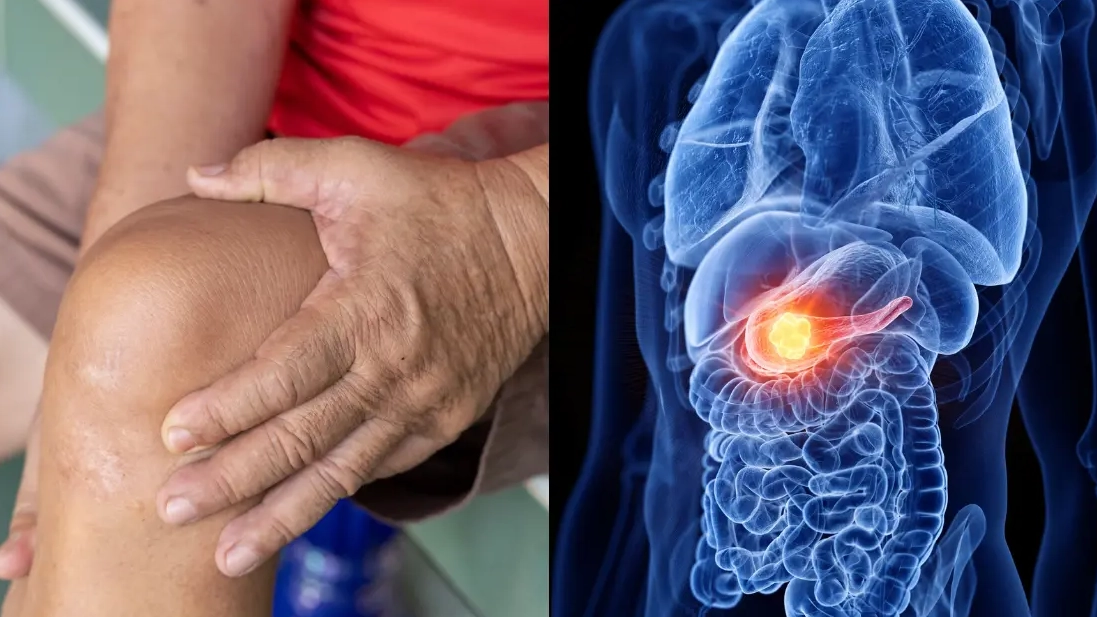
There are seemingly innocent things that can signify cancer, and you shouldn’t rule out things that happen to your legs as a sign.

According to Cancer Research UK, ‘there are more than 385,000 new cancer cases in the UK every year’, which is over 1,000 every day.

However, it’s never too early to check out symptoms as possible signs if they seem odd to you.

So, if these symptoms appear unexpectedly, don’t wait to get help - because it might just turn out to be pancreatic cancer.

Advert

What are the symptoms? (Getty Stock Photos)

Symptoms of pancreatic cancer

According to the NHS, pancreatic cancer is a cancer that's found anywhere in the pancreas, which is situated in the top part of your tummy.

The pancreas helps you to digest your food and also makes insulin.

As per the NHS, symptoms of pancreatic cancer can include developing jaundice, which will make the whites of your eyes or your skin turn yellow.

You might also have itchy skin, darker wee, or paler poo.

You could lose your appetite and weight without trying to and feel tired with little to no energy.

Another sign is having a hot temperature, or even feeling hot or shivery.

Your digestion might also change, and you might feel or be sick, have diarrhoea or constipation, or other general changes to your bowel movements.

Pain might also become obvious at the top part of your tummy and your back, particularly if you’re eating or lying down.

As pancreatic cancer remains a top killer due because of its non-obvious signs, Dr Santhi Swaroop Vege from Mayo Clinic said that it’s essential that you catch it early.

He said to News Network: "That's one of the biggest problems we face. Usually, these people will have indigestion, and acid reflux, before finally somebody thinks of a CT scan."
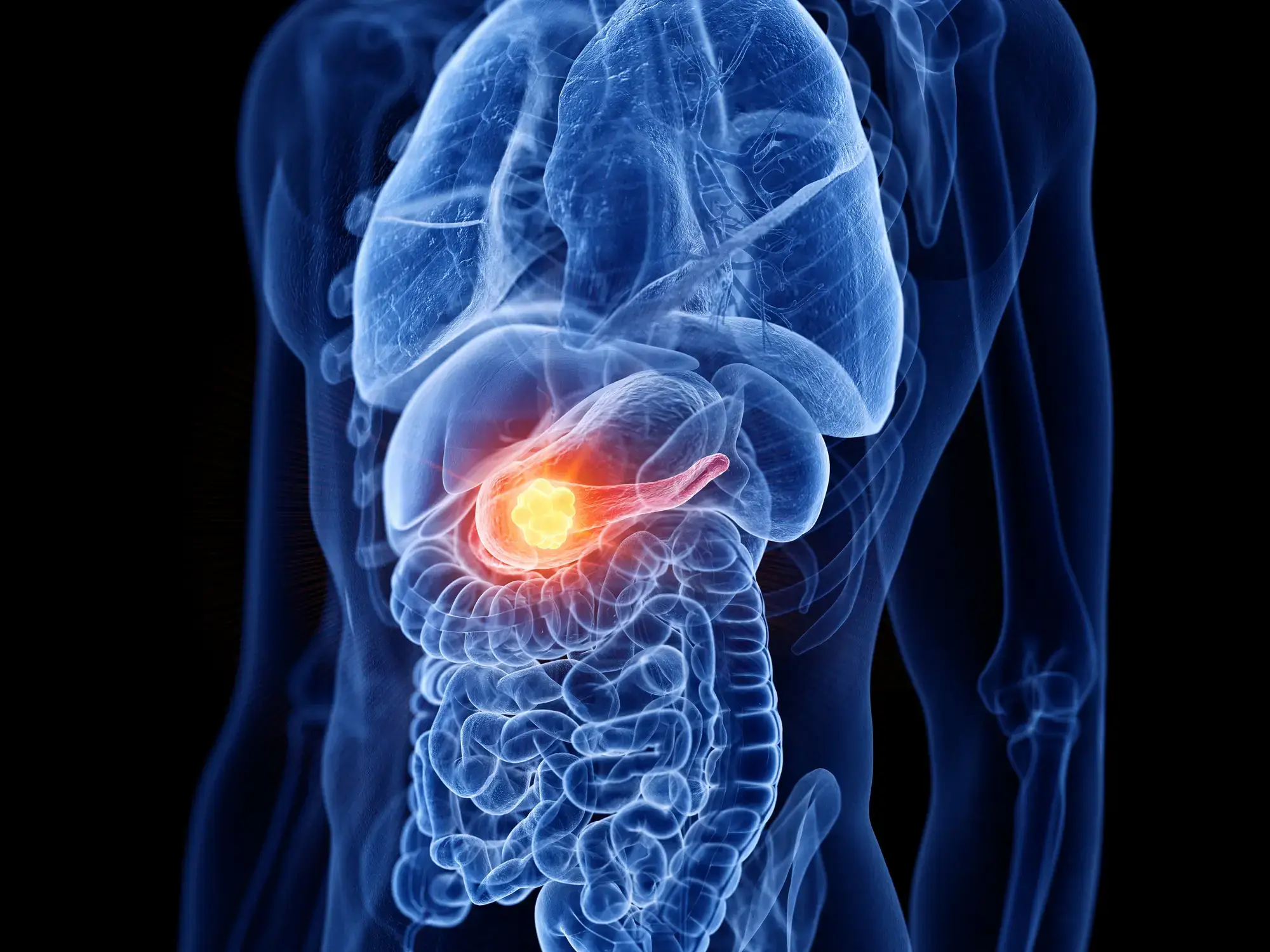
Pancreatic cancer is a silent killer (Getty Stock Photos)

What is the first sign of pancreatic cancer?

Deep Vein Thrombosis, also known as DVT, can actually be the first sign of pancreatic cancer.

Now, DVT is a blood clot which is notoriously difficult to treat and required blood thinners.

These four signs could be deadly (Getty Stock Photos)

What are the four red flags in your leg you should look out for?

The four red flags encapsulate the most common signs and symptoms of DVT, which is actually increased when you have pancreatic cancer.

As this cancer type is notoriously difficult to detect, due to how deep rooted it is within your body, knowing what the signs are for DVT could help you to get to the root cause quicker.

These four specific sensations in the legs could be the first signs of the disease, and you should let your GP know if you’re experiencing them.

These sensations are pain, swelling, redness, and warmth in a specific spot in your leg.
Seek immediate help (Getty Stock Photos)

When to seek immediate attention

If you have been experiencing these sensations and begin to feel breathless, this means that a part of your clot has broken free and has moved to your lungs.

If you don’t receive immediate help, you could have a pulmonary embolism or PE.

This could be fatal.

If you’re not sure, talk to a professional. Better safe than sorry!

Featured Image Credit: Getty Stock Photos

Topics: Cancer, Health, News

Britt Jones
Britt Jones

Recommended reads

Bride to get remarried with bouncers after sister-in-law covered her in paintThis Morning/YouTubeBritish wife's final words to convict husband before he's executed for double murderITVMan with world's biggest verified penis explains how he got erect for official recordITVSurgeon reveals truth behind smoking weed and heart healthYouTube/@drjeremylondon

Advert

Choose your content:

an hour ago
2 hours ago
  • This Morning/YouTube
    an hour ago

    Bride to get remarried with bouncers after sister-in-law covered her in paint

    Gemma Monk had her 2024 wedding ruined by sister-in-law Antonia Eastwood

    News
  • ITV
    2 hours ago

    British wife's final words to convict husband before he's executed for double murder

    Tiana Krasniqi watched death row inmate James Broadnax take his last breaths just over two weeks after they tied the knot

    News
  • ITV
    2 hours ago

    Man with world's biggest verified penis explains how he got erect for official record

    It's not always a blessing for Barr

    News
  • YouTube/@CITV
    2 hours ago

    Non-vaper shares before and after of 'vaping as much as he can' for a week

    He'd quit vaping before and wanted to 'quit it for good'

    News
  • 27-year-old wrote a heartbreaking letter before dying from cancer that will change your perspective on life
  • Doctor warns of serious cancer symptom that can be 'dismissed' during the summer
  • Man died eight months after getting terminal cancer diagnosis despite ‘having no signs’
  • Man's tumour 'vanished' after trialling new drug that saw deadly brain cancer cured