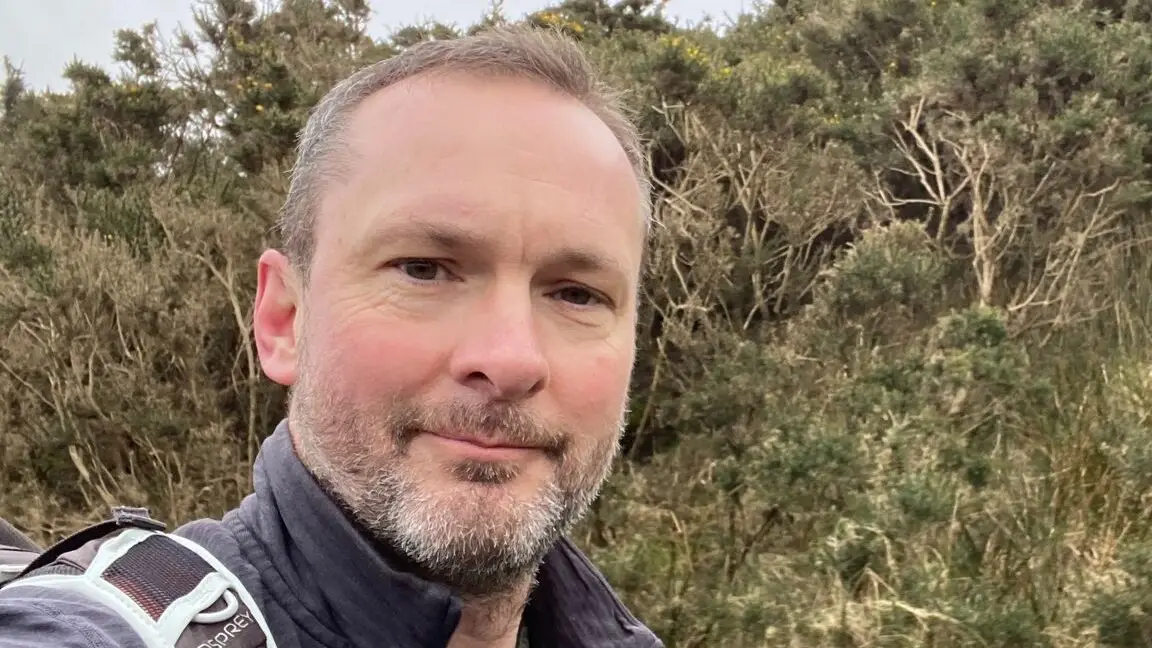
Man lives with ‘world’s most painful known medical condition’

A dad-of-three has opened up about how a rare medical condition left him feeling 'electric shocks' in his face in a 'horrible' condition that involves sudden attacks.
Gerwyn Tumelty, 52, compared the pain to having a screwdriver in the side of his face, with the overwhelming pain bringing on a number of dark thoughts for the Welshman.
He recalled feeling 'sharp pains in the jaw, like electric shocks', as the successful businessman suffered with Trigeminal Neuralgia for two years from 2017.
According to charity Trigeminal Neuralgia Association UK, it is 'the most painful condition that is known in the medical world'.
Advert
It can often be misdiagnosed as toothache, while these excruciating attacks can be caused by something as light as a gust of wind.
"It felt like someone putting a screwdriver in to the side of my face and it was really horrible," Gerwyn said to the BBC.
What is trigeminal neuralgia?
According to Nice, the condition affects around eight in every 100,000 people every year.
The NHS say that trigeminal neuralgia is sudden, severe facial pain, which can be described as a sharp shooting pain or 'like having an electric shock in the jaw, teeth or gums'.
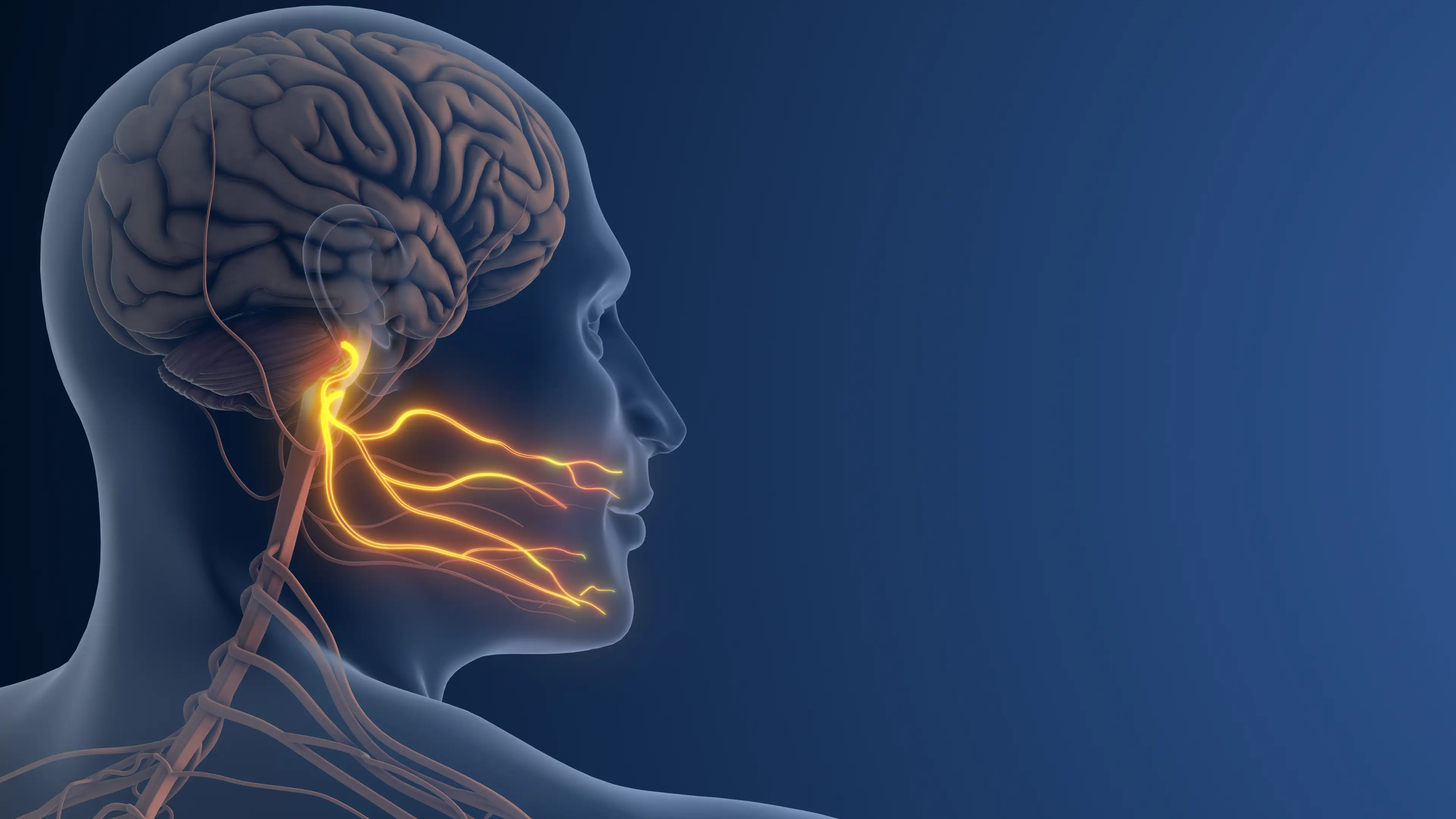
These attacks can be 'short' and 'unpredictable', lasting anywhere from seconds to a couple of minutes.
Pain can stop as quickly as it begins, with trigeminal neuralgia affecting just one side of the face, with pain usually felt in the lower part of the face.
It is said to be caused by the compression of the trigeminal nerve, which is responsible for transmitting sensations of pain and touch from your face, teeth and mouth to your brain.
This can occur when a blood vessel presses on part of the nerve inside the skull, with attacks brought on by light touches of the face, eating, brushing your teeth, and other small brushes of contact, sometimes occurring hundreds of times a day.
How did Gerwyn cope with trigeminal neuralgia?
Gerwyn underwent neurosurgery in 2019, with the procedure involving the opening of his skull and the removal of a small section of bone in order to relieve the pressure on the nerve which is causing the pain.
It's a risky operation, with facial numbness, hearing loss and stroke all potential complications, while death occurs in about one in every 1,000 cases.
Despite all this, studies suggest that this method results in the most relief, as pain returns in around three out of 10 cases within 10 to 20 years of surgery.
Luckily, Gerwyn is a success story, though he doesn't forget the dark days, saying: "I'd have thoughts of not being around. Not being here."
He admitted: "What kept me going was that I couldn't imagine what effect that would have on my family.
"But, I couldn't see an end to it. It was a desperate time."

The father said he 'felt reallt low and lonely', praising his loved ones for helping him open up about his mental health, specifically recalling drinks with former Navy colleagues as a turning point.
Now, Gerwyn leads a healthy lifestyle, having completed marathons and hikes all over the world.
How trigeminal neuralgia is being treated in the UK
Aneeta Prem, the chief executive of the Trigeminal Neuralgia Association, lives with a rare form of the disease known as Bilateral TN.
It means that the flashes of pain affect both sides of her face, sometimes at the same time.
She highlighted that early diagnosis is paramount, explaining that Wales in particular has a great method of spotting it, thanks to a multi-disciplinary team.
"Once people are diagnosed they can then be fast-tracked through the system to get the best possible care," Aneeta explained.
She sadly revealed: "Very sadly we see many people that are talking about taking their own life - 33% of people have thought about it, but over 80% have never sought any help."
Aneeta said that while people have 'extreme pains', many are ashamed to speak about the pain and how it affects them, stating: "The isolation, the loneliness, not being able to go out because the pain just takes your breath away."
Topics: Health, Mental Health, NHS, UK News
 Joshua Nair