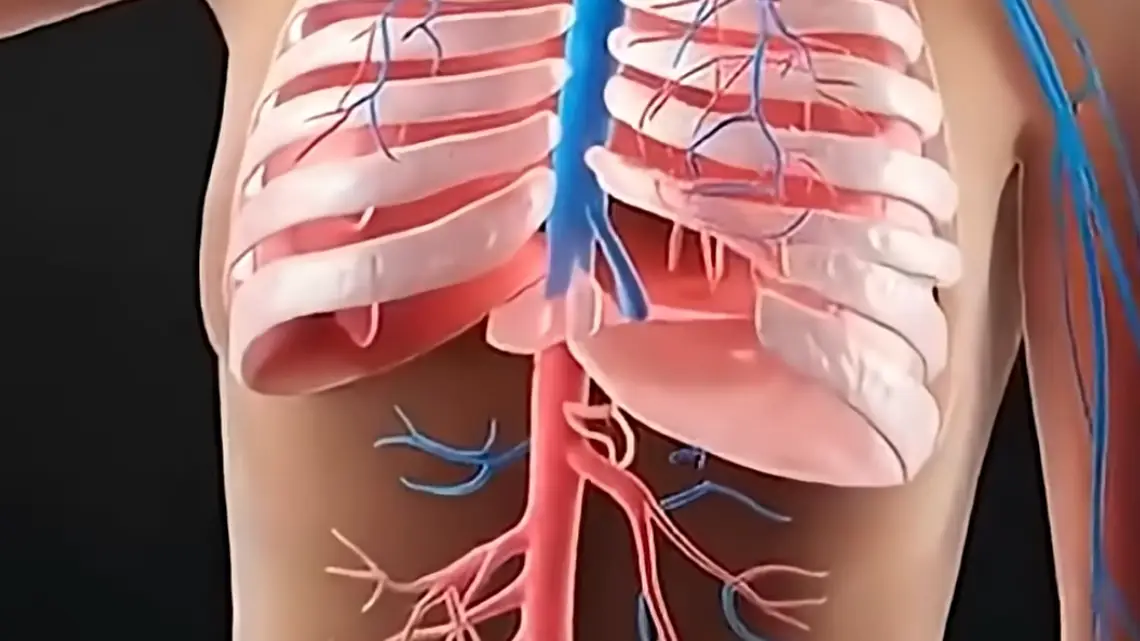
Simulation shows reality of water fast as man shares insane difference after 21 days

Those hoping to enter 2026 as the healthiest version of themselves might want to consider a water fast.
Christmas isn't exactly the easiest time to abstain from food and drink, given that there's copious amounts of the stuff everywhere we turn.
However, according to people who have participated in one, the benefits fasting brings is well worth it, and thankfully, this informative simulation shows exactly how it all works.
So, if you're someone who's been considering jumping on the bandwagon, this might help you decide whether a water fast is for you or not.
Advert
The clue is in the name with this one - as it means that for a short period, you completely restrict your food intake, while consuming only water.
Studies suggest that it could have some handy health benefits, such as lowering the risk of chronic diseases, lowering blood pressure, while it also kickstarts a process known as autophagy.
This term, which is also known as 'self-eating', describes 'a self-preservation mechanism in which your body removes damaged or dysfunctional parts of cells in order to regenerate newer, healthier cells, according to Healthline.
"It is recycling and cleaning at the same time, just like hitting a reset button to your body," cardiologist Dr Luiza Petre explained.
"Plus, it promotes survival and adaptation as a response to various stressors and toxins accumulated in our cells."
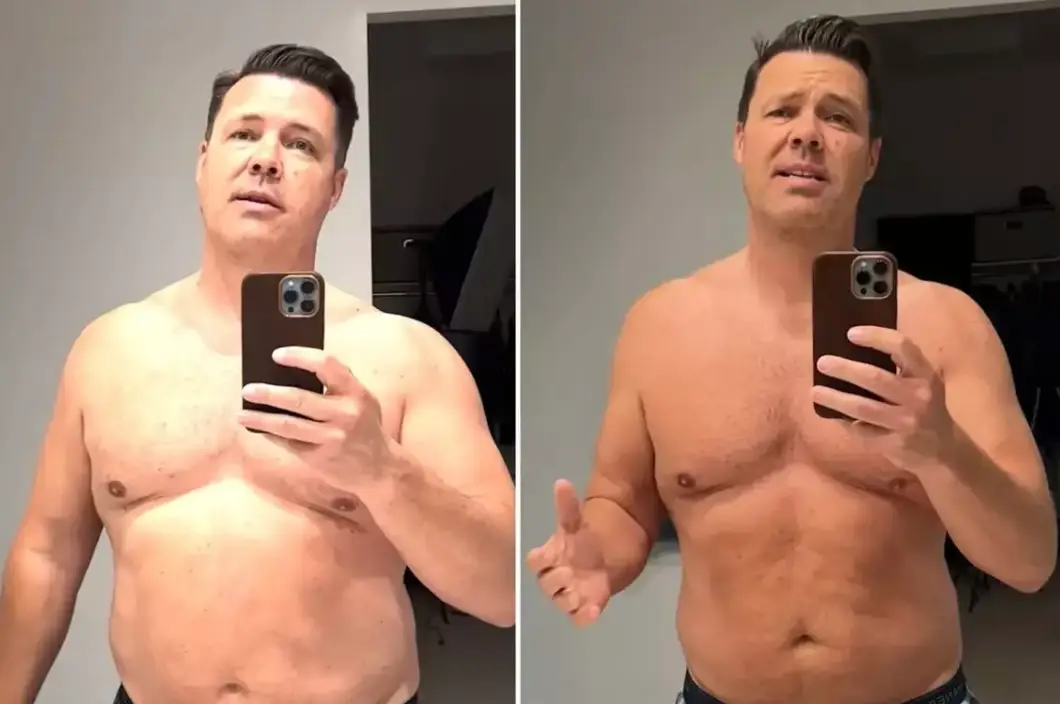
Jim Austin is a bloke who has given a water fast a whirl, and he revealed that after 21-days of surviving only on water, he lost a whopping 31lbs.
The YouTuber, from the US, explained that it wasn't all fun and games though - as he admitted that sticking with it proved to be both a physical and mental 'battle'.
"So many things reminded me of food, and it was disappointing to realise that I wouldn't be able to eat at the end of it," he told Newsweek about some of his struggles in the first week of his water fast.
As well as being extremely hungry, Jim experienced 'very bad' headaches and a 'sour taste in his mouth', while being hyper-aware that his body was constantly in a 'weird state'.
To make things even harder, food started creeping into his dreams - however, he got well in the swing of things by day 15, and explained that the final week of his water fast ended up being the 'easiest'.
Detailing the benefits he noticed after 21 days of drinking only water, Jim said he lost a good chunk of weight, would wake up feeling 'full of energy' and that his palate felt like it had been 'reset'.
As well as feeling on top of the world, he claimed that 'food has never tasted better to him' after he went without it for so long.
If you were wondering what on earth was going on internally while Jim steered clear of sustenance, this simulation provides a great visual explainer for it.
The short video, shared by YouTube channel 'Veggies & Fruits', explains how a three-day water fast impacts you.
Take a look at it here:
The clip explains that on the first day, your body will 'use up all its sugar stores, fast' - as it doesn't have any other fuel, AKA food, to rely on.
By the second day, your body changes gears and begins to burn fat instead of glucose, which is the sugar that your body usually relies on.
"Your brain cells start using ketones for energy," the simulation explains. "Focus kicks in."
And by day three, you're cells start getting 'a reset', with the clip comparing it to a 'cleanup crew inside you'.
"Old damage gets recycled," it said, which essentially means the autophagy process has started, as there are 'no vitamins, no fibre, no gut support' keeping you going.
The clip also warns that your muscles 'might shrink' during a water fast - but most folks see it as 'cleaning' out your body first, before then having the opportunity to 'rebuild' it.
Make sure you consult a health professional before you embark on a water fast, as well as researching what to do afterwards - as although you might feel absolutely famished, having a feast is the last thing you should do.
Instead, Healthline recommends breaking your fast with 'a smoothie or smaller meals', before 'introducing larger meals as you feel more comfortable'.
This is not medical advice and you should always refer to the NHS website and consult with your GP before making any significant changes to your diet.
Topics: Food And Drink, Health, YouTube
 Olivia Burke