ladbible homepage
ladbible homepage
  • iconNews
  • videos
  • entertainment
  • Home
  • News
    • UK
    • US
    • World
    • Ireland
    • Australia
    • Science
    • Crime
    • Weather
  • Entertainment
    • Celebrity
    • TV
    • Film
    • Music
    • Gaming
    • Netflix
    • Disney
  • Sport
  • Technology
  • Travel
  • Lifestyle
  • Money
  • Originals
    • FFS PRODUCTIONS
    • Say Maaate to a Mate
    • Daily Ladness
    • UOKM8?
    • FreeToBe
    • Citizen Reef
  • Advertise
  • Terms
  • Privacy & Cookies
  • License Our Content
  • About Us & Contact
  • Jobs
  • Latest
  • Archive
  • Topics A-Z
  • Authors
Facebook
Instagram
X
Threads
Snapchat
TikTok
YouTube
Submit Your Content Here
  • SPORTbible
  • Tyla
  • GAMINGbible
  • LADbible Group
  • UNILAD
  • FOODbible
  • UNILAD Tech
The ‘doorway effect’ explains why you might forget what you were doing when you walk into a room

Home> News> Health

Updated 17:51 30 Mar 2025 GMT+1Published 17:43 30 Mar 2025 GMT+1

The ‘doorway effect’ explains why you might forget what you were doing when you walk into a room

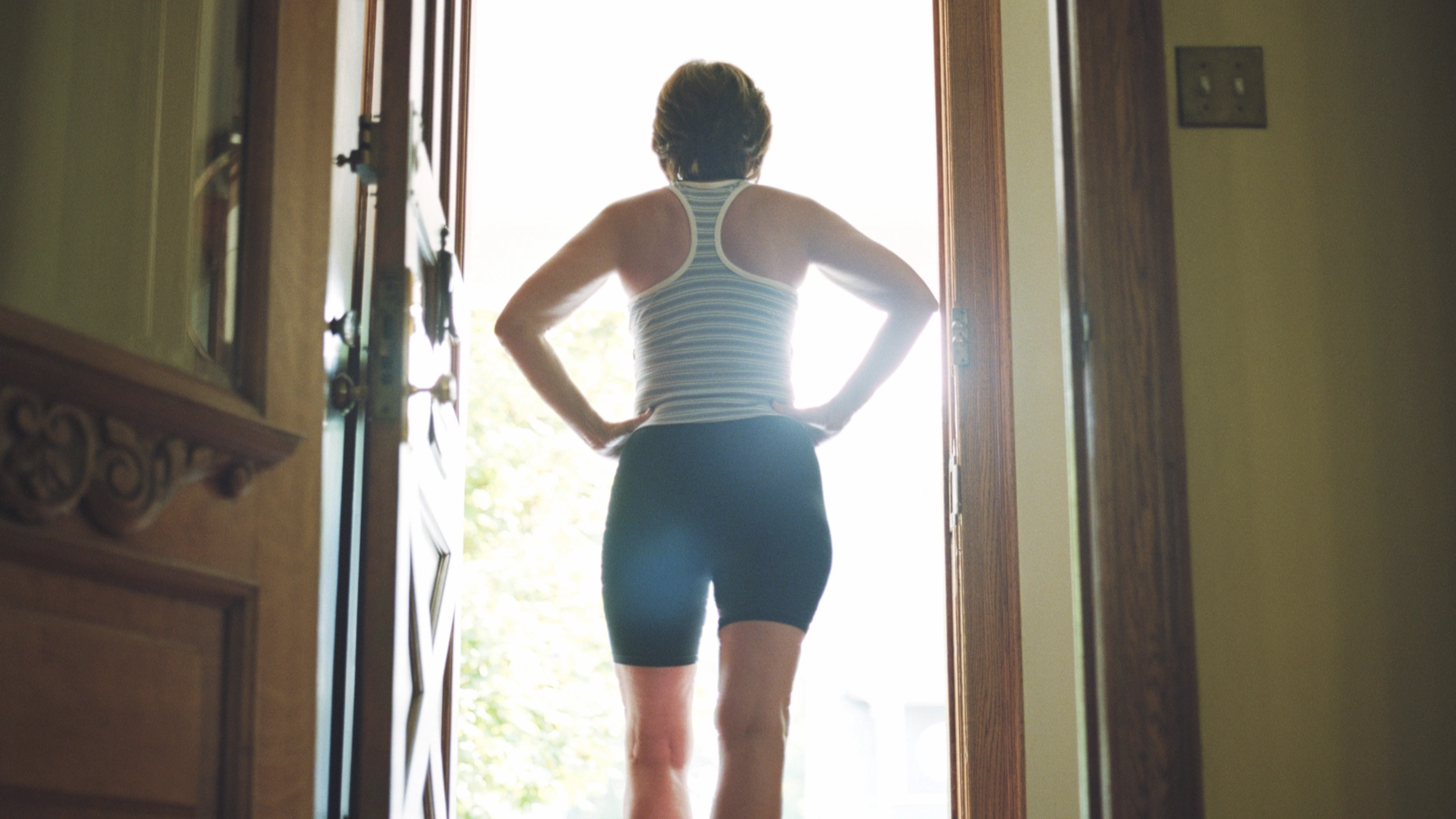
It's so annoying when you don't know why you've just stepped into the room

Anish Vij

Anish Vij

google discoverFollow us on Google Discover

The horrible sensation you get when you completely forget why you walked into a room has finally been explained.

And don't worry, it's completely normal.

​Christian Jarrett, a cognitive neuroscientist and science writer, has explained in his column for BBC's Science Focus that what we experience is called the 'doorway effect'.

It's a term used to describe when people forget their initial purpose when entering a new room.

Advert

"Fear not, you’re far from the only one to have had this rather unsettling experience," Jarrett said.

In short, the doorway effect takes place when our brains like to compartmentalise activities and information based on environmental contexts.

How the doorway effect takes over the brain

The confusion is real (Getty Stock Images)

When we move from room to room, the door acts like a metaphorical boundary between these contexts.

That's when the brain likes to completely reset/update its current understanding of the new environment.

Jarrett noted that a team at the University of Queensland explored the doorway effect even further.

"They found that passing through doorways that joined identical rooms mostly didn’t impact memory – perhaps because there wasn’t enough of a changed context to create a significant event boundary," he said.

"It was only when these researchers distracted their volunteers with a simultaneous secondary task that the doorways between identical rooms affected memory."

He continued: "The Queensland team said this chimes with everyday experience in that it’s mostly when we’re distracted, with our mind on other things, that we’re inclined to arrive in a room and forget what we came for."
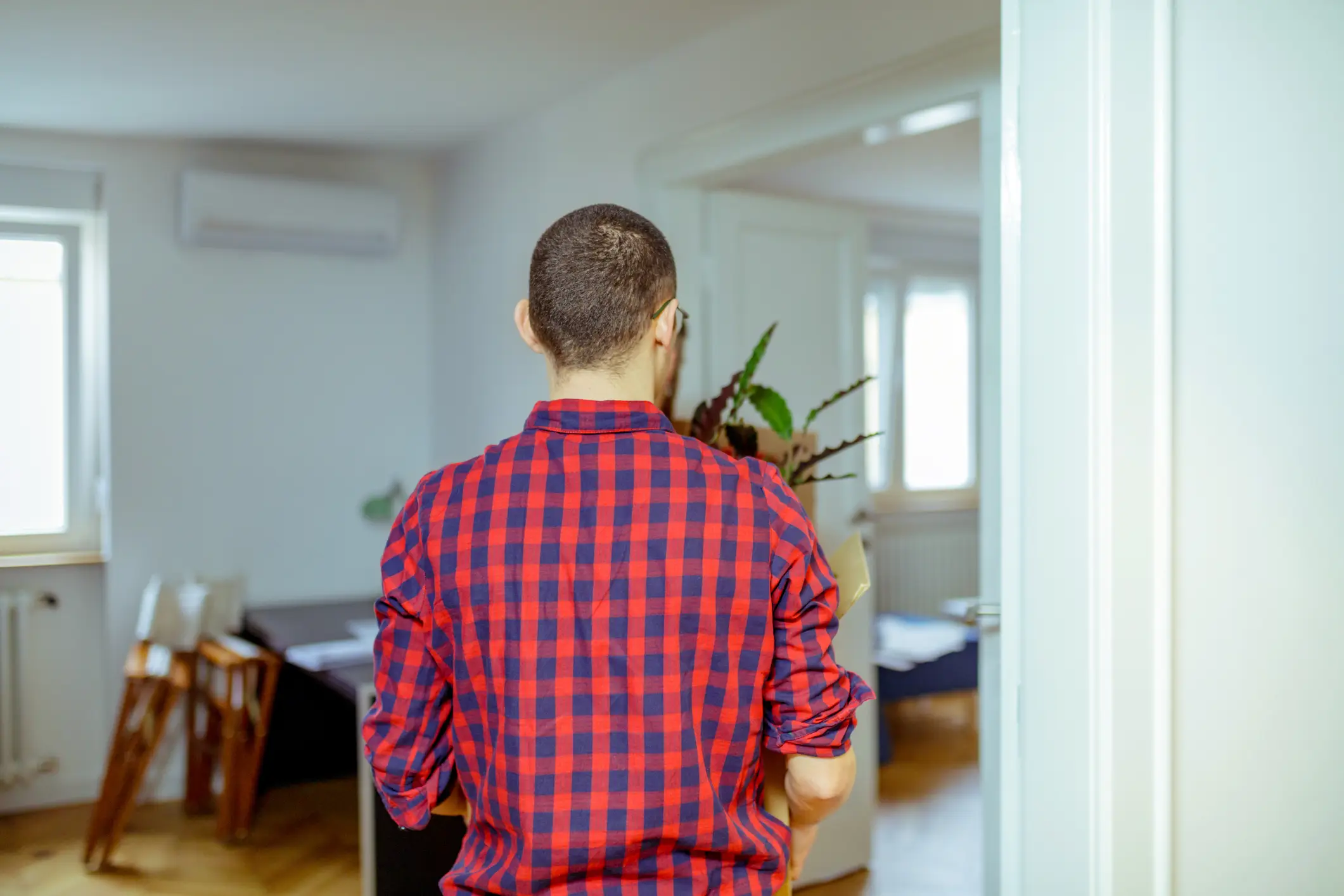
The 'doorway effect' is completely normal (Getty Stock Images)

Jarrett said that the study also suggested that 'the doorway effect is more likely to occur when there is a significant change in context – for instance, if you leave your living room for the garden'.

How to not let the doorway effect take over

The science writer said that the 'new results also point to a potential cure', which is to 'try to stay focused on your purpose when you pass through a doorway on an errand'.

While that might sound like too much work, Jarrett suggests that, instead, 'you could always make a note on the back of your hand'.

Personally, I use my phone's 'Notes' app to try and keep track of my errands.

But even with everything written down, I still don't really know why I'll walk into the kitchen to look for the TV remote.

Featured Image Credit: Getty Stock Images

Topics: Health, Weird, Community

Anish Vij
Anish Vij

Anish is a Journalist at LADbible Group and is a GG2 Young Journalist of the Year 2025. He has a Master's degree in Multimedia Journalism and a Bachelor's degree in International Business Management. Apart from that, his life revolves around the ‘Four F’s’ - family, friends, football and food. Email: [email protected]

X

@Anish_Vij

Recommended reads

Who Wants to be a Millionaire contestant becomes show’s second ever biggest loser after losing £186,000ITVThree people die and Brit left fighting for his life as £35,000 cruise struck by outbreak of deadly virusAFP via Getty ImagesMan diagnosed with autism aged 42 shares signs that were ‘misdiagnosed’ for yearsTikTok/millennialdadDoctor explains who really needs to take Omega-3 supplement that is one of most common in world(Getty Stock Images)

Advert

Choose your content:

15 hours ago
16 hours ago
18 hours ago
  • TikTok/millennialdad
    15 hours ago

    Man diagnosed with autism aged 42 shares signs that were ‘misdiagnosed’ for years

    Tyler Barnett said he felt 'so much relief' after finally getting the answers he had been searching for all of his life

    News
  • (Solent News)
    15 hours ago

    Jeremy Clarkson makes offer to four-year-old girl who had egg stall stolen while celebrating birthday

    The Clarkson's Farm star made a generous offer after Maisie Willis had her egg stand stolen

    News
  • YouTube/@Lord Miles
    16 hours ago

    Man snuck onto Snake Island where no human is allowed to visit

    "Many have been to this island and very few have gotten out"

    News
  • PA
    18 hours ago

    Tragic reality as ‘war zone’ stomach bug left eight dead in Cape Verde with 2,000 tourists taking legal action

    Eight visitors have died many others are severely ill following an outbreak of stomach illnesses in Cape Verde

    News
  • How to spot mosquito bites and why you might get bitten more than other people
  • Woman who 'speaks to the dead' explains creepy reason why you should never have a mirror facing your bed
  • Airport security screener explains reason why they always seemingly stare at your crotch as you walk through scanner
  • Noticing six things when you walk could be a sign of dementia for people as young as 30