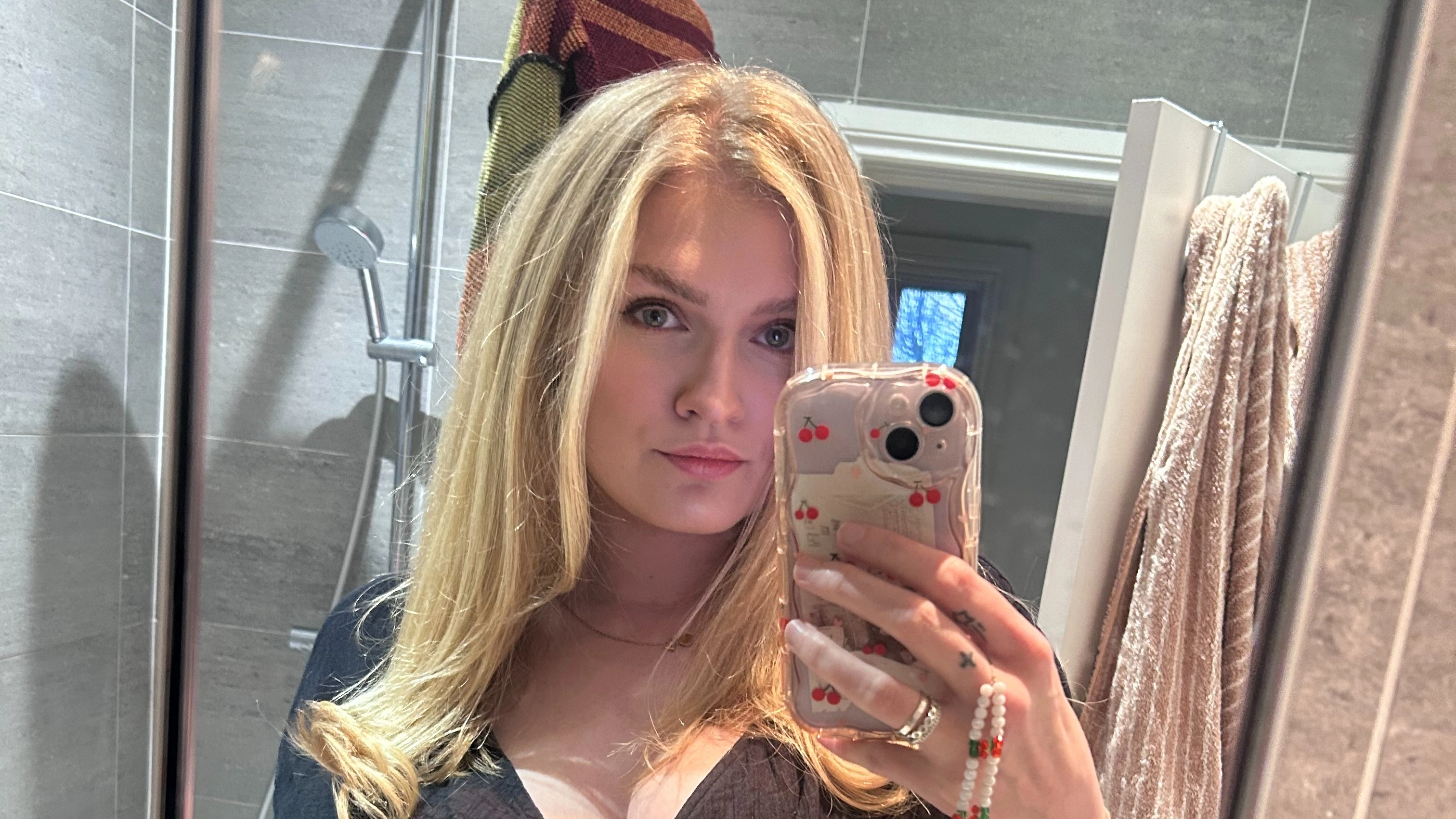
Woman in 'long term relationship' given shock news she had HIV at 21

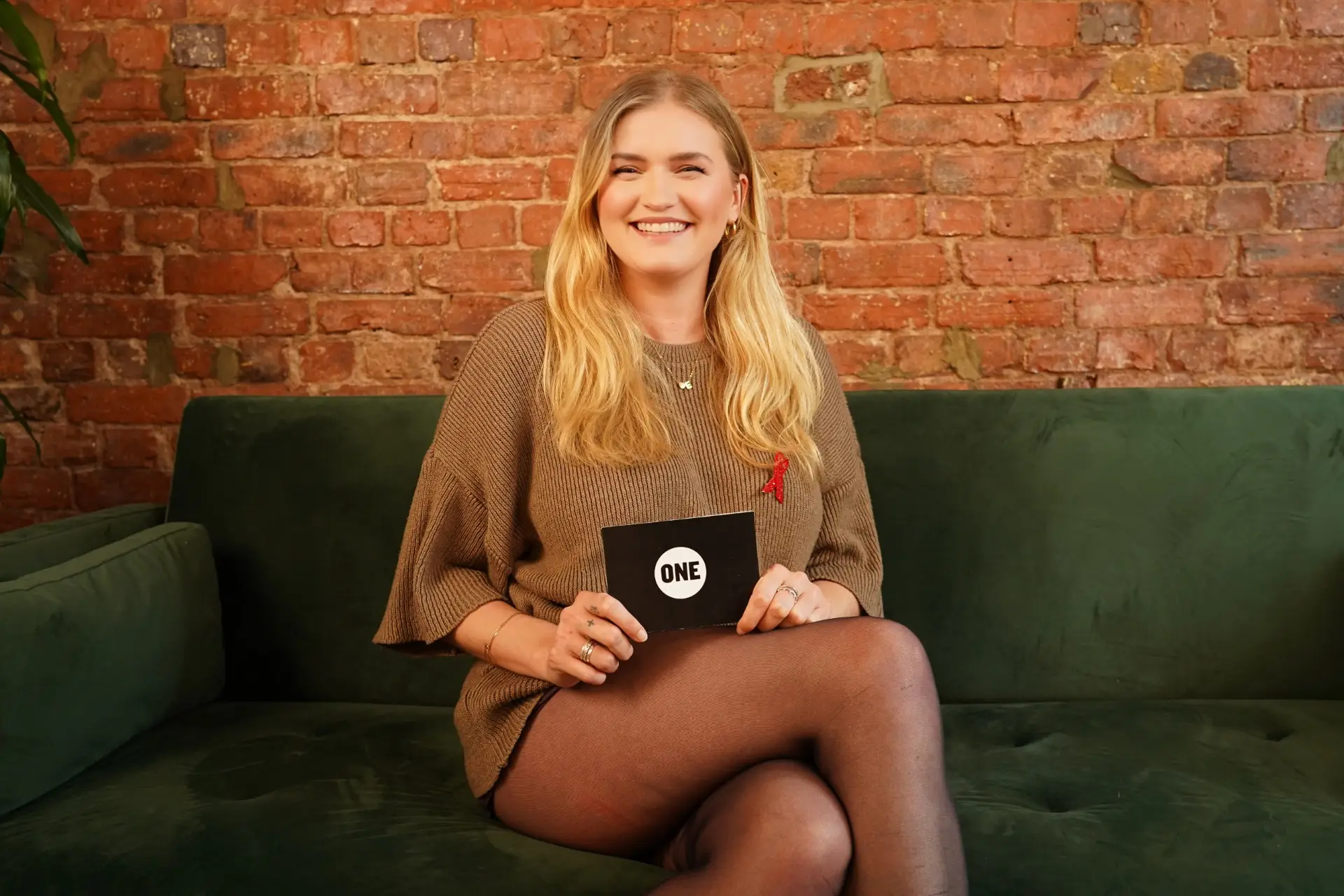
A woman who was diagnosed with HIV when she was 21 has opened up about how the disease changed her life.
Back in 2018, Ellie Harrison had just completed her placement year at university and was just about to head into her final year of studying when she got the shocking news.
Speaking to LADbible on World Aids Day, she explained that she got ordered a testing kit as a 'precautionary measure' as she thought her relationship might be coming to an end.
She said: "I was in a long-term relationship, but because I was moving back to uni we were going to go long distance, and I kind of thought there was going to be a lot of pressure on the relationship. So, I made the decision to order a home STI kit.
Advert
"Obviously, I had no symptoms. I wasn't expecting it to come back with any result."
Two weeks later, though, she was told she was HIV positive, which came as a 'huge shock', but Ellie was reassured by a nurse that it might have been a 'false positive'.

"I remember I got the 'false positive', and then I went on a night out joking about the fact that I'd convinced myself I had HIV," she recalled.
However, it was later confirmed that the result was not 'false' as she had hoped, with Ellie suffering 'several panic attacks' and being 'in quite a state' afterwards, resulting in her having to be comforted by one of the staff at the clinic.
She said: "She stayed with me for a few hours. I rang my mum and dad, they were three hours away. They did say that I could wait in the clinic until my parents got there, but if I'm honest, I just had to get out of that room.
"And then the next day, I went to a proper HIV clinic, and they kind of do all of the results again. So, you get your blood taken from the arm, they do a lot of extra tests this time, so they're looking for not just if HIV is present in the blood, but they do all of your levels, like your viral load, your CD4 count, test for any resistance, that kind of stuff, so you can go on medication.
"But I thought, because they were testing me again, that maybe it was a clerical error, and I didn't have HIV, and it was all just one big mistake."
Following her diagnosis, Ellie had to go back into her dating history and let previous partners know what had happened.
"You have to do partner tracing when you get diagnosed in the UK," she explained. "So, as part of that, you can either tell your partners directly, or you can get the clinic to kind of message anyone you've been in contact with.
"Between my last negative result, and coming back positive, there was two people, but they said it was better to go back a little bit further and get a third person told.
"And only one of them came back as positive, so it's pretty confirmatory where it came from."
At the time, she'd had 'no symptoms' and 'no reason to suspect anything', explaining that there's a process called seroconversion, which is when 'the level of virus basically takes over in your blood'.
Ellie remembered having 'really bad flu for three weeks', which she thinks is when this happened, but at the time she put it down to a bad case of the flu and not HIV.
"There is a proportion of women, especially in the UK, living with HIV, that are the same race, gender, sexuality as me," she said.
"But you don't really see women talking about it, and I think because of that you do sometimes get this mis illusion that, ‘oh, it would never happen to me’. Like, 'this can't be happening because it doesn't happen to people like me’."
She found the first year to be the hardest, but said she 'kind of isolated myself' for the first three years after her diagnosis.
Her mum and dad were told right from the start, and she told some of her friends and got 'quite a mixed bag' of reactions.
She said: "Some of them were really upset for me. Some of them were just concerned. Some of them were a bit shocked.
"I think it's quite hard to be dealing with your own opinion of something when you've got everyone else's mixed in at once. So for the first three years, I just didn't really speak about it that much."
One of the toughest moments was when someone 'outed' her as HIV positive at university, which Ellie said was 'a really horrible situation to go through', though she added that she ended up feeling a 'freedom of people knowing'.
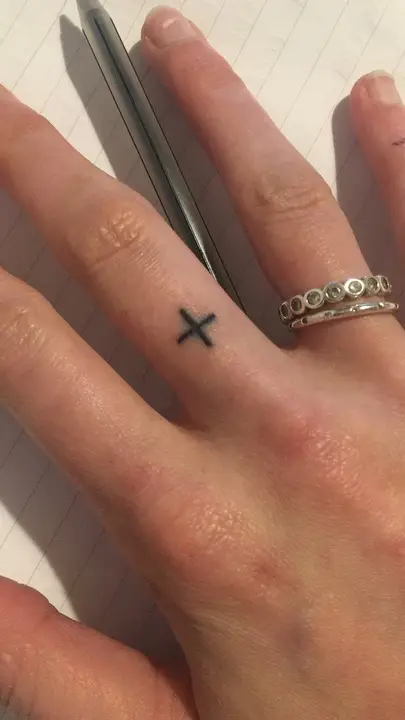
Of course, she did also get a positive sign tattooed on her middle finger, so Ellie reckons she 'definitely had some defiance in me somewhere'.
She takes one pill a day, which means she suffers no symptoms or side effects, and cannot transmit HIV to anyone else. But Ellie reckons the stigma around the disease is the 'silent killer'.
Speaking of that stigma, she said it was 'perpetuated by this education that hasn't passed really that far along since the 80s', but talking about it with others had really helped.
"The worst thing I ever did was sit in silence, so I didn't meet someone living with HIV until 2023 I think which is insane," she said.
"At that point I've had HIV for over five years. I didn't think, really wrongly and it's a self stigma I had, I did not think meeting gay men with HIV was gonna help me because I perpetuated this thing in my head of like ‘why does this happen to me’.
"What I've done since that day is kind of like thrown my life open so I'm very public about the ups the downs the everything of living with HIV."
Since doing that, she's had plenty of people get in touch from people who'd been HIV positive for 20 years and never told anyone, to those who had just been diagnosed and needed someone to talk to.
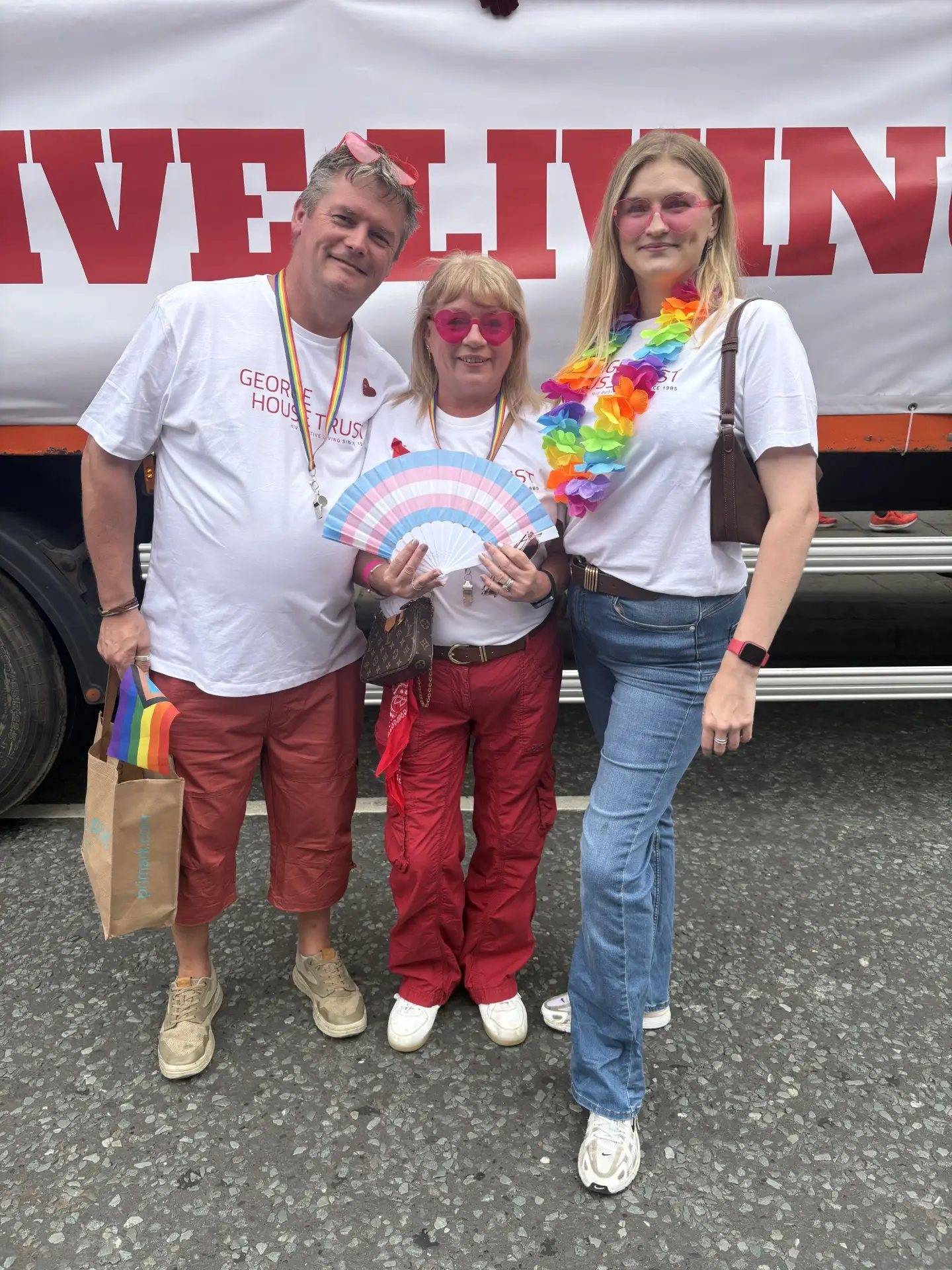
Ellie is hoping that by 2030, the UK could become the first country in the world to end transmission of HIV, which she reckons will take 'a bit of gumption'.
"My main statement to people is like there is a life after a diagnosis, nothing has to change, a lot of people actually see it as like a new beginning people kind of do 180s on their life, really like pursue passion projects and all things like this," she said.
"But the biggest thing I say is like if you want it to be exactly the same as it was yesterday it can be. It's a medical condition, you will take one tablet a day and everything will be fine.
"I get it's not that easy to get to that point but hopefully everyone just sees that there is a light at the end of the tunnel."
You can find more information about HIV and Aids on the NHS website, here.
Support is also on hand at the National Aids Trust.
 Joe Harker