Remains of 22 more infants found in horror discovery at site where hundreds are buried

Warning: This article contains content some readers may find distressing.
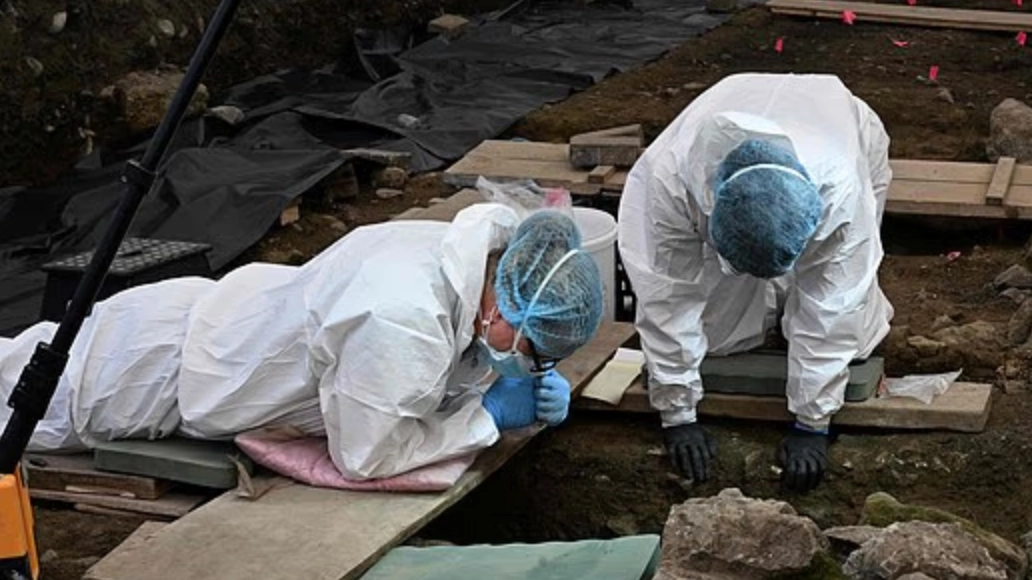
The team searching a former mother and baby institution in Ireland has discovered 22 more deceased infants within the grounds, bringing the total number of recovered remains to 99.
The excavation of the former St Mary’s home for unmarried mothers and their children in Tuam, County Galway, began in July last year and since then, 99 sets of infants' remains have been discovered among the hundreds suspected to be buried there.
The home was run by the Bon Secours Sisters, a religious order of Catholic nuns.
Advert
22 remains have more recently been found in coffins in an area on the south-western edge of the site between 1-15 July of this year, which was identified in historical documents as a 'burial ground', the BBC reports.
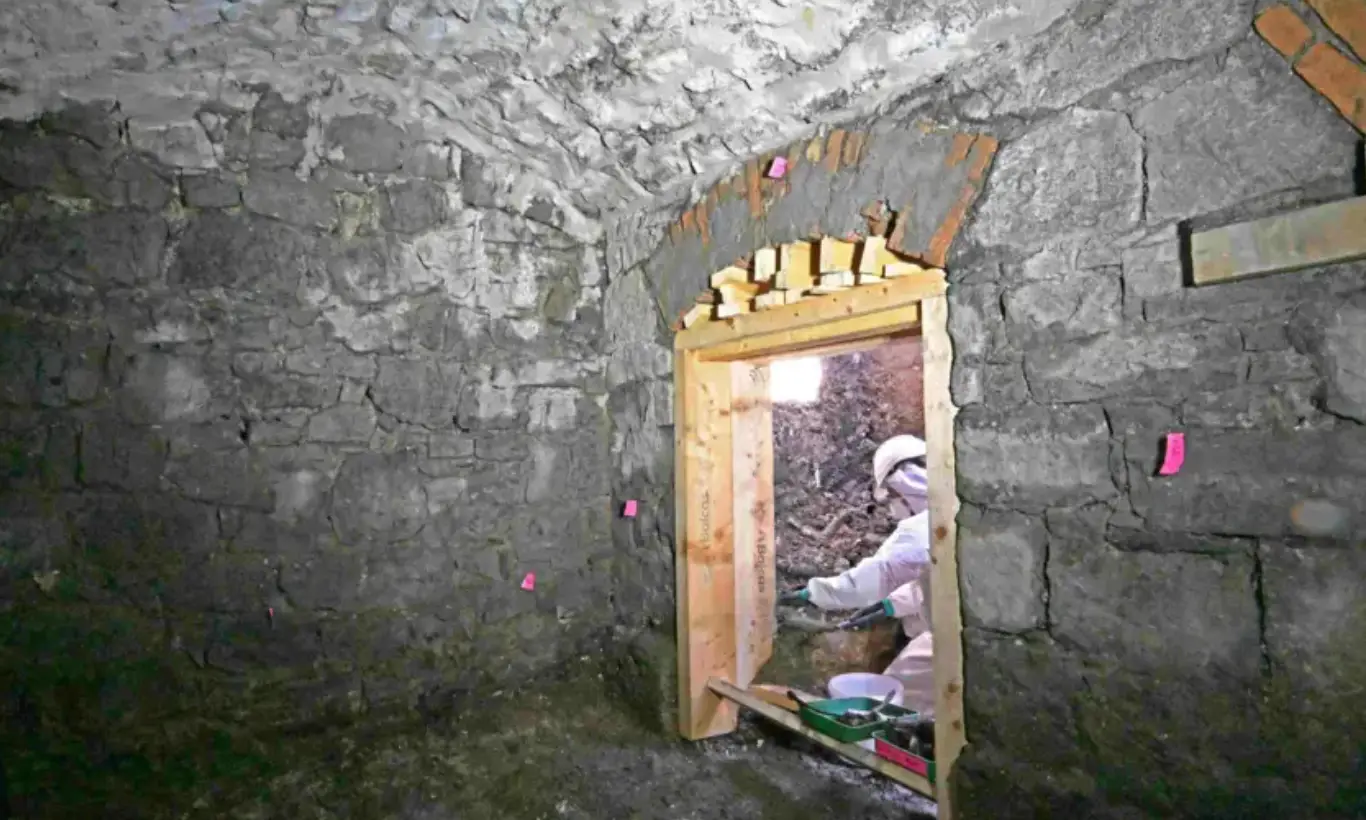
The area had been covered with gravel and used for vehicle access, with no surface markers to indicate the presence of burials.
It's been confirmed that the bodies recovered, all of which are believed to have died at the home between 1925 and 1961, have been taken to a new mortuary and laboratory in Toghermore in Tuam.
Leading the search of the site is the Office of the Director of Authorised Intervention Tuam (ODAIT), which said that hand-excavation is continuing, adding that they had managed to collect seven more DNA reference samples, bringing the total number taken to 62.
Sky News reports that death records for the St Mary's home list children as dying from malnutrition, as well as diseases such as measles and tuberculosis. It also estimates that at least two babies a week died in the institution.
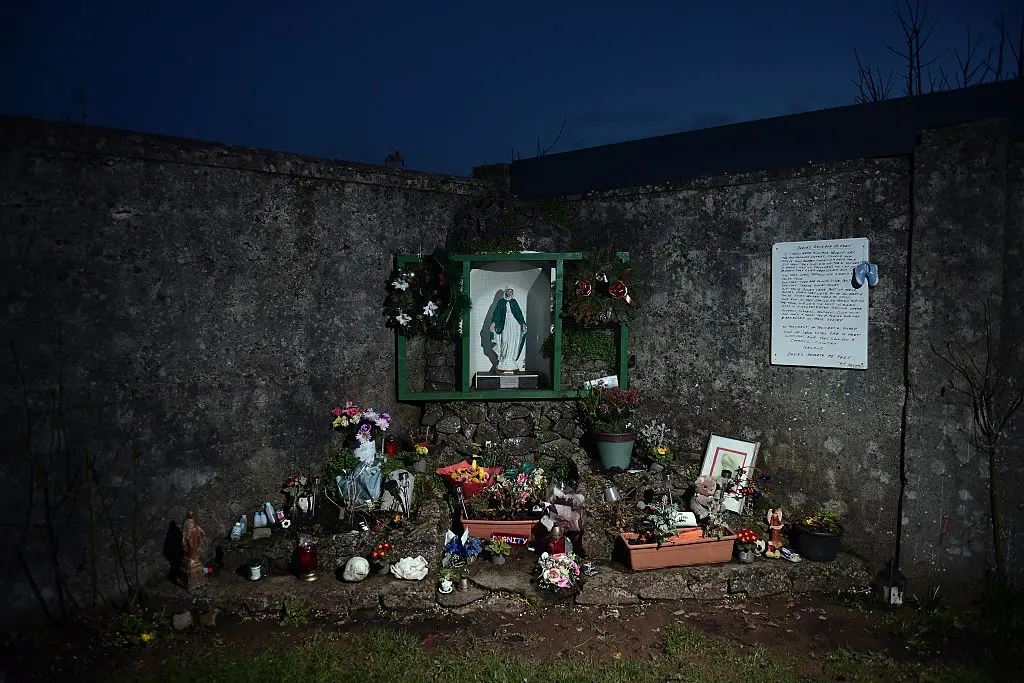
Ireland's historic mother and baby homes are shrouded in controversy, with modern-day investigations exposing the way in which young expectant mothers were treated during their stays.
The pregnant women, who were usually sent to the homes out of shame of being unmarried and under pressure from local clergy, would be forcefully separated from their babies who were offered up for adoption.
Alongside reports of the women being subjected to hard labour during their stays, and not to mention the anguish of their babies being taken away from them, the initial 2014 discovery of a mass grave in Tuam lifted the lid on the high mortality rate at mother and baby homes.
Local historian Catherine Corless was the one who uncovered death certificates of 796 children from the Tuam institution, which ranged from newborns to four-year-olds.
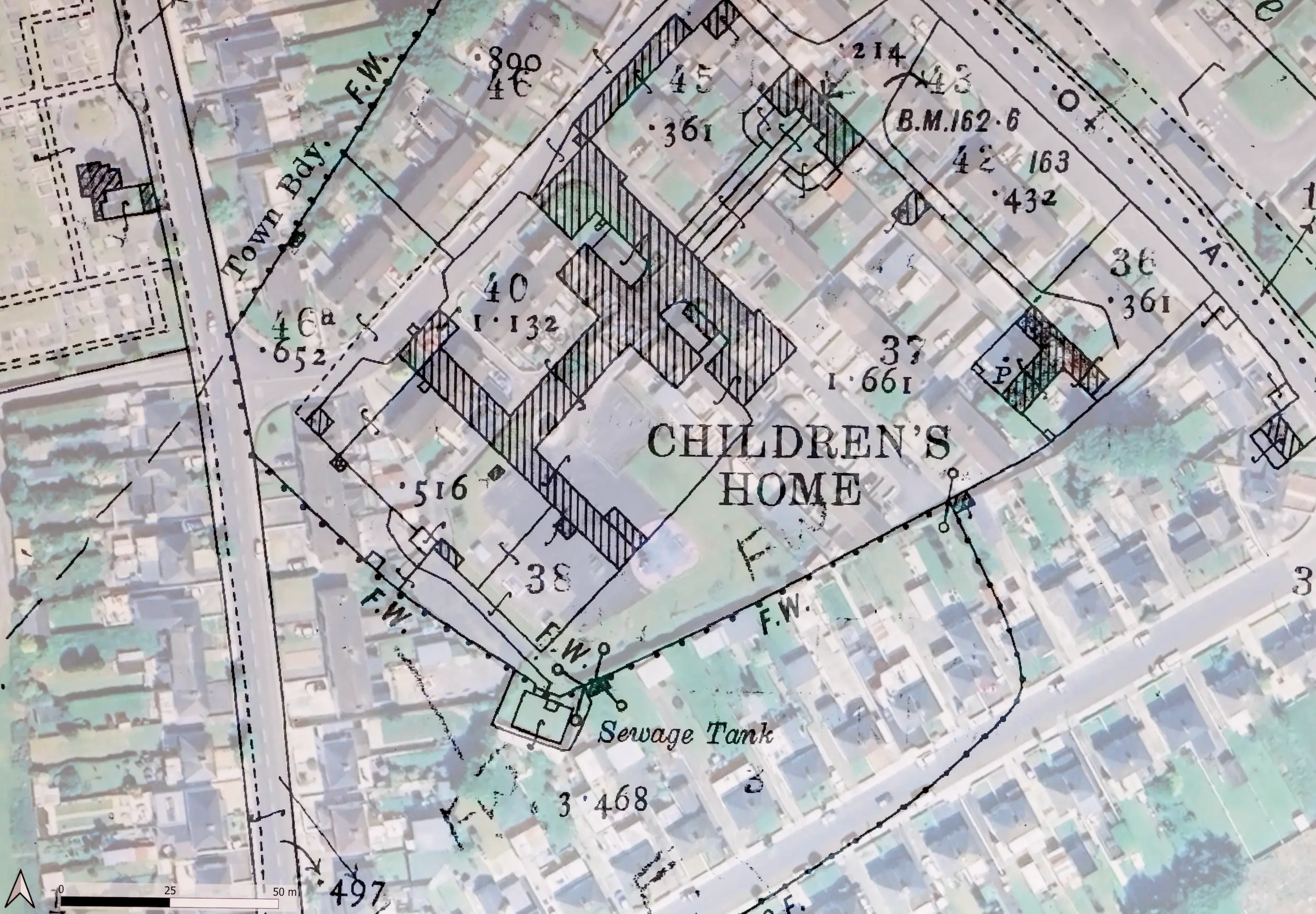
But there were no grave stones or burial records, leading Corless to investigate further and conclude that the children were buried on the site of the home in an underground disused sewage tank.
Dr Niamh McCullagh, senior forensic consultant at ODAIT, has explained what makes the search 'particularly challenging'.
"If I work from the outside in, the challenge of the physical location of the site, it’s within a housing estate that is populated with people living there, the rears of their gardens all face onto this playground area," she said.
"The physical situation of the chamber tank where the remains were discovered in that sample excavation, they’re over three metres beneath the surface, they’re in 20 individual chambers, all adjacent to one another, and that in itself is also a very physically challenging situation.
"So, from an archaeological perspective, it is not like going out and excavating a greenfield site or an open area where we would have a lot more space, we have to try and manage the space that we have to get the access that we need to to recover the remains."
There has been a public appeal to anyone who suspects a family member may have died in the Tuam institution to come forward to provide DNA to help identify the children and match them with any living relatives.
So far, 62 families have come forward.
 Emily Puckering