• iconNews
  • videos
  • entertainment
  • Home
  • News
    • UK News
    • US News
    • Australia
    • Ireland
    • World News
    • Weird News
    • Viral News
    • Sport
    • Technology
    • Science
    • True Crime
    • Travel
  • Entertainment
    • Celebrity
    • TV & Film
    • Netflix
    • Music
    • Gaming
    • TikTok
  • LAD Originals
    • FFS PRODUCTIONS
    • Say Maaate to a Mate
    • Daily Ladness
    • UOKM8?
    • FreeToBe
    • Citizen Reef
  • Advertise
  • Terms
  • Privacy & Cookies
  • LADbible Group
  • UNILAD
  • SPORTbible
  • GAMINGbible
  • Tyla
  • UNILAD Tech
  • FOODbible
  • License Our Content
  • About Us & Contact
  • Jobs
  • Latest
  • Topics A-Z
  • Authors
Facebook
Instagram
X
Threads
Snapchat
TikTok
YouTube

LAD Entertainment

YouTube

LAD Stories

Submit Your Content
Experts predict that the length of days on Earth are going to get longer and longer

Home> News> Science

Updated 18:03 22 Jun 2024 GMT+1Published 17:49 22 Jun 2024 GMT+1

Experts predict that the length of days on Earth are going to get longer and longer

Our days could get a lot longer in the future thanks to the Earth's rotation

Britt Jones

Britt Jones

It’s another day on Earth and that means another scientist has discovered something that changes the way we live our lives.

Since it came to light that our planet is going to have longer days, scientists have now made predictions about how lengthy these days will become.

Our days could get a lot longer in the future thanks to the Earth's rotation. (Getty Stock Image)

The experts have predicted that life could potentially change with things like climate change heading for a ‘triple whammy’ extinction event.

Advert

Don’t freak out just yet - they think it’ll happen within the next 250 million years, not tomorrow.

Sarah Millholland, Assistant Professor of Physics at the Massachusetts Institute of Technology, told Live Science: "Earth has experienced days that were both shorter and longer than it is now at different points in history.

“Most importantly, it was affected by tidal interactions with the Moon. About a billion years ago, the length of day was only about 19 hours.”
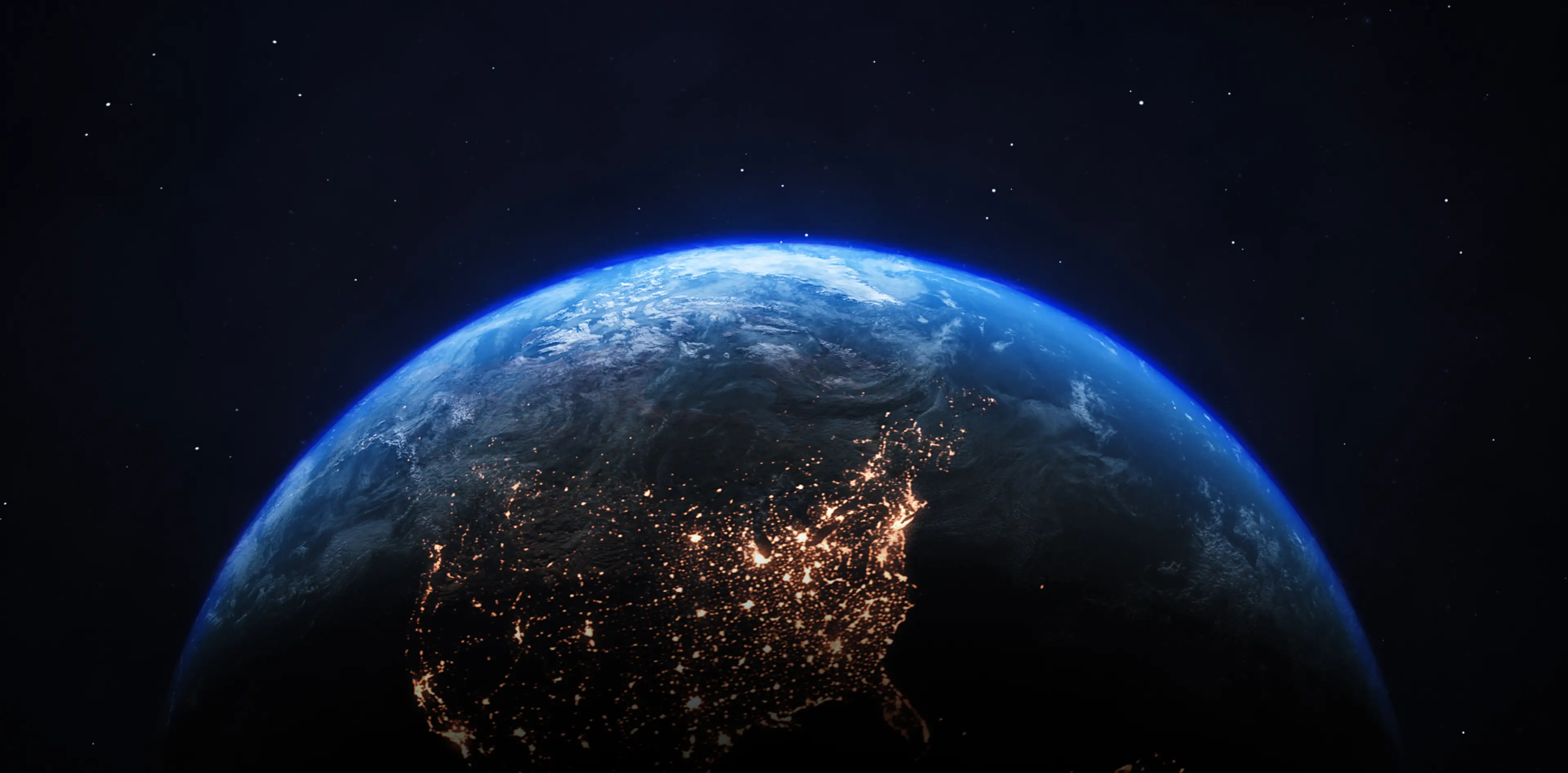
(Getty Stock Image)
(Getty Stock Image)

“Climate change could also play a role due to redistribution of Earth’s mass due to glacial melting, sea level changes and tectonic activity,” Millholland added.

“As the polar ice caps melt, the rotation is slowing down.”

Other experts argue that, at one point, Earth may have rotated in just 10 hours.

However, now the opposite is happening and as our planet's rotation changes, it’s slowing down and lengthening by around 1.7 milliseconds every 100 years.

Konstantin Batygin, of Caltech, explained: “The change in Earth's spin rate is happening gradually enough that evolutionary processes can adapt to the changes over time. The relative change in orbital speed would not be noticeable in daily life.”
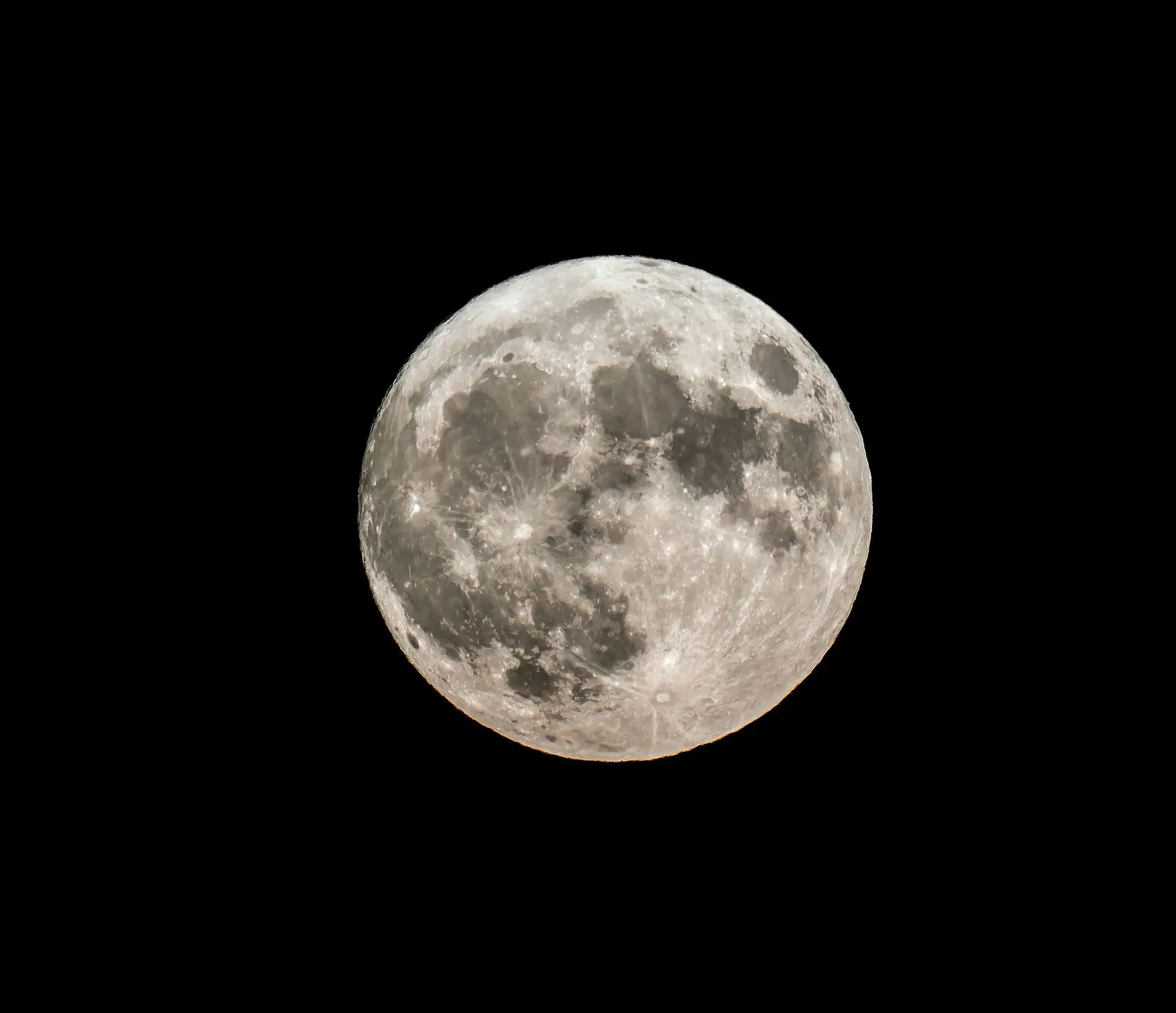
The Moon moving away from is us causing a shift in our rotation. (Getty Stock Image)

Batygin believes that the main reason for Earth's slowing rotation is because of its relationship with the Moon - but that’s nothing new to us.

A 2018 study, co-authored by Professor Stephen Myers of the University of Wisconsin-Madison, found that days (which, for those of you who don't remember science lessons at school, are calculated by the amount of time that it takes the Earth to rotate once on its axis) were actually only 18 hours long 1.4 billion years ago, as opposed to 24 hours now.

As the Moon was previously closer to the Earth, the effect of its gravity was stronger, thus it caused a much faster rotation of the Earth, resulting in the 18-hour day.

"As the Moon moves away, the Earth is like a spinning figure skater who slows down as they stretch their arms out,” Myers said.

So… if it was 18 hours long 1.4 billion years ago, it seems it's highly unlikely we’re going to feel the slow change in day extension for another billion years.

Featured Image Credit: Getty Stock Images

Topics: Space, Science, News

Britt Jones
Britt Jones

Advert

Advert

Advert

Choose your content:

27 mins ago
15 hours ago
16 hours ago
17 hours ago
  • AFP/Getty
    27 mins ago

    Symptoms explained as outbreak of deadly virus with no cure and 'epidemic potential' reported

    The Nipah virus is considered a high-risk pathogen by the World Health Organisation

    News
  • (Chip Somodevilla/Getty Images)
    15 hours ago

    Trump claims he has new 'secret weapon' he is not allowed to talk about

    President Trump has made bold claims about American military tech

    News
  • (Getty Images/Stephen Maturen)
    16 hours ago

    Man shot dead by federal agent in Minneapolis just weeks after Renee Good killed

    A 37-year-old man is understood to have been shot dead

    News
  • AFP via Getty Images
    17 hours ago

    Outbreak of deadly virus with no cure and 'epidemic potential' reported in India as officials issue severe warning

    Nipah virus is contagious, deadly and has no cure

    News
  • Hubble Space Telescope could crash down to earth soon and have devastating impact on humanity
  • Scientists predict Earth could get eighth continent and new ocean sooner than we ever thought
  • NASA issues update on astronaut with 'serious medical condition' that forced first ever ISS evacuation
  • Scientists reveal where 'alien object' heading past Earth will actually be going