Why product now banned in gel nail polish is still used in dentistry

Last September, the use of trimethylbenzoyl diphenylphosphine oxide (TPO) was banned in the EU.
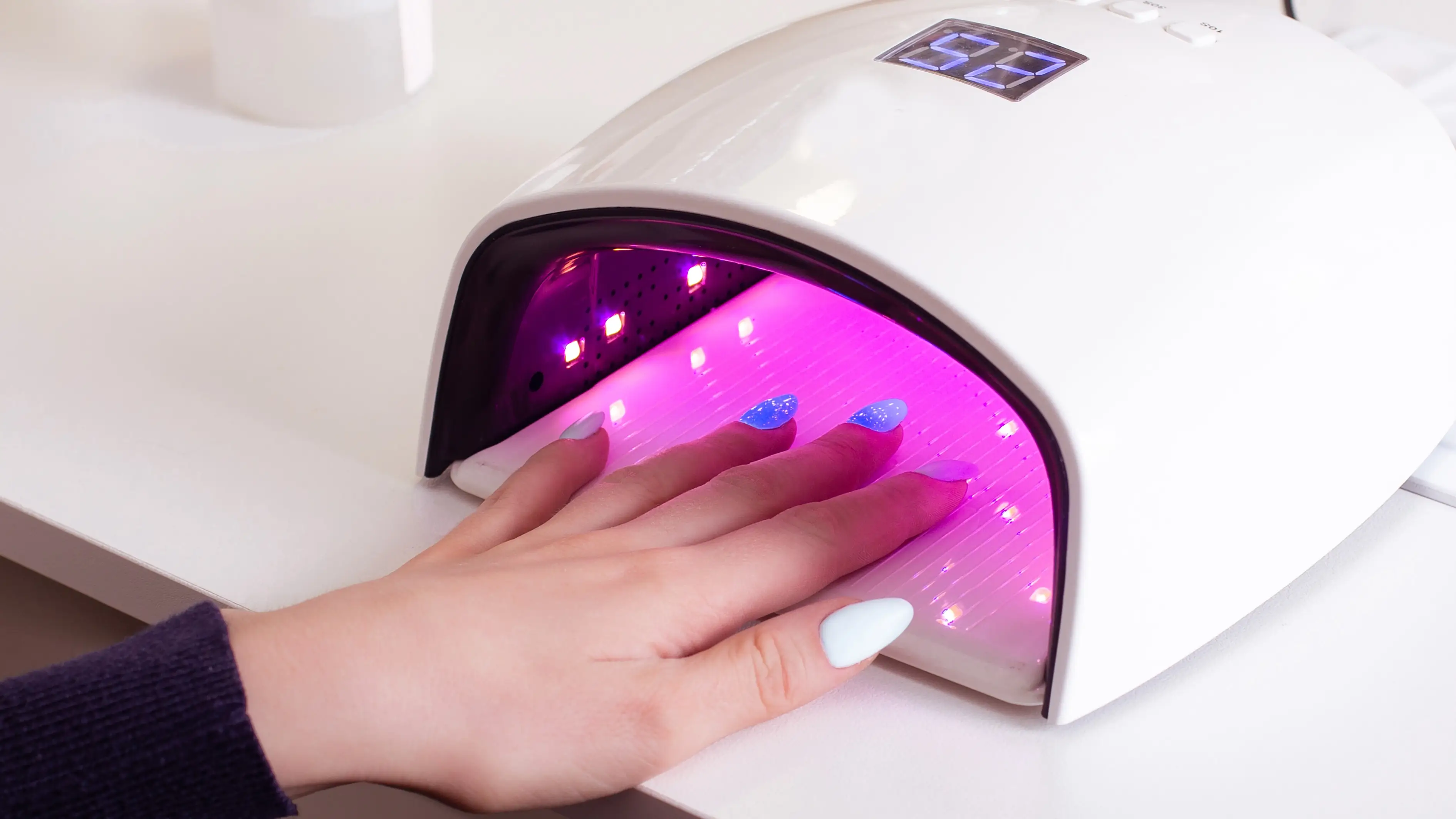
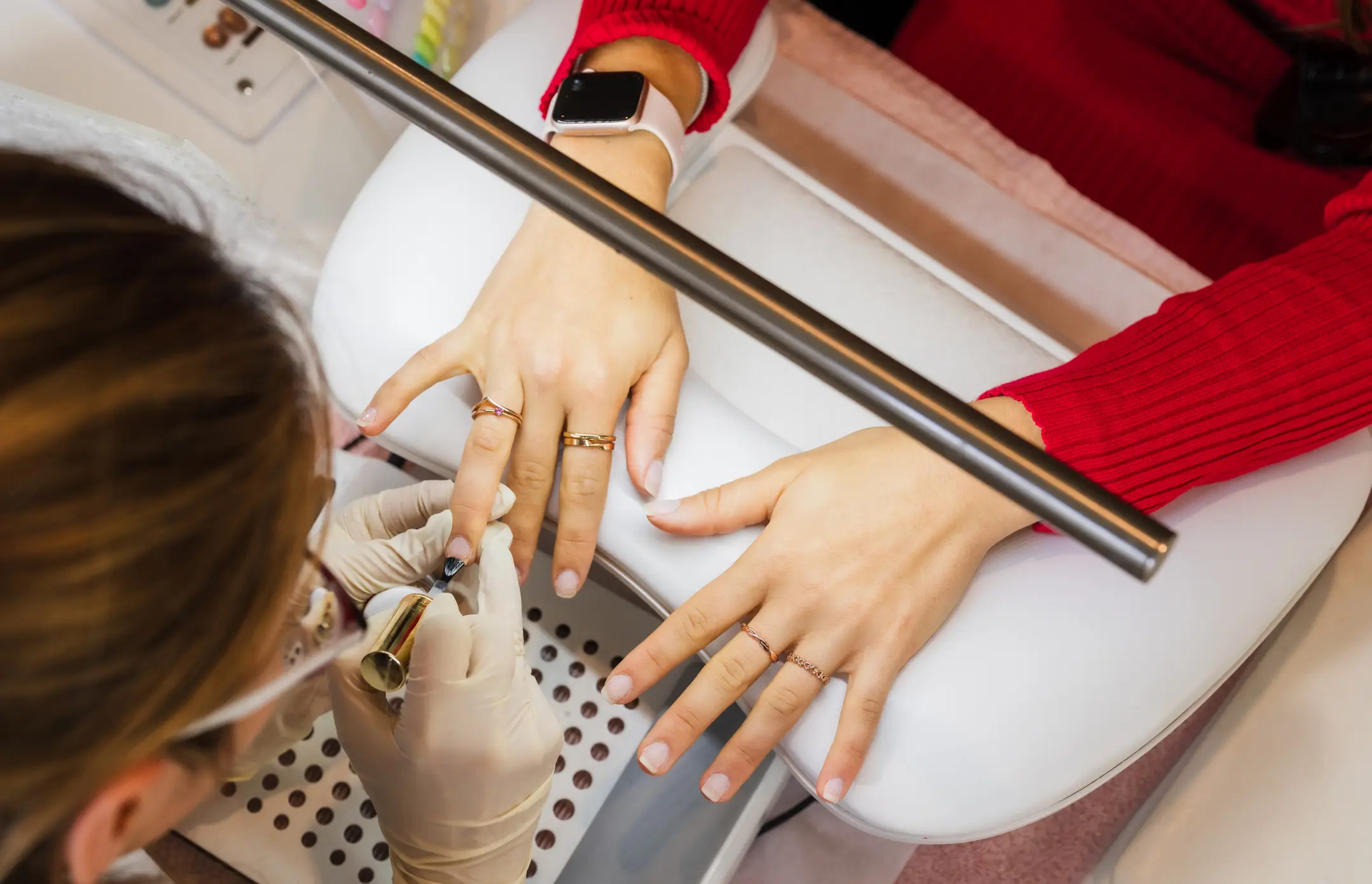
This is the substance commonly used in gel nail polish to give it that classic glossy look and enable it to set quicker under UV or LED lights.
And from yesterday (15 August) suppliers and producers are no longer allowed to introduce newly made products using it into England, Scotland or Wales.
Nail techs are allowed to continue using their current stock until it runs out and distributors now have until 14 February 2027 to distribute or sell off their remaining TPO-based products.
Advert
However, while the substance is now banned in gel nail polish as a result of research, it is still used in dentistry among other professional sectors. It is not currently expected to be banned in these areas.
Why has TPO been banned from gel nail polish?
Research into the substance suggested it could be harmful to people, particularly when it comes to fertility.
It’s been under investigation for some time and the EU ended up listing it as a ‘reproductive toxin’ as the ban was introduced last year, with the European Commission classifying it as ‘carcinogenic, mutagenic and toxic for reproduction’.
Studies have listed TPO as an endocrine-disrupting chemical, which impacts hormones in the body, blocking receptors and altering hormone production.
According to a 2023 study published in Nature, 'endocrine-disrupting chemicals (EDCs) are substances generated by human industrial activities that are detrimental to human health.'
The World Health Organization categorises EDCs as causing 'alteration to an organism’s morphology, physiology, and/or behaviour that impairs its ability to grow, develop, and/or reproduce'.
While there are these studies into its impact on fertility, it’s worth noting that much research is described as being in its ‘early stages’ with animal studies used.
Some UK brands have already confirmed that they took steps to remove TPO from their products before the ban.
TPO and dentistry
While TPO has been banned in cosmetics, it remains to be legal in the likes of dentistry, 3D printing and prosthetics.
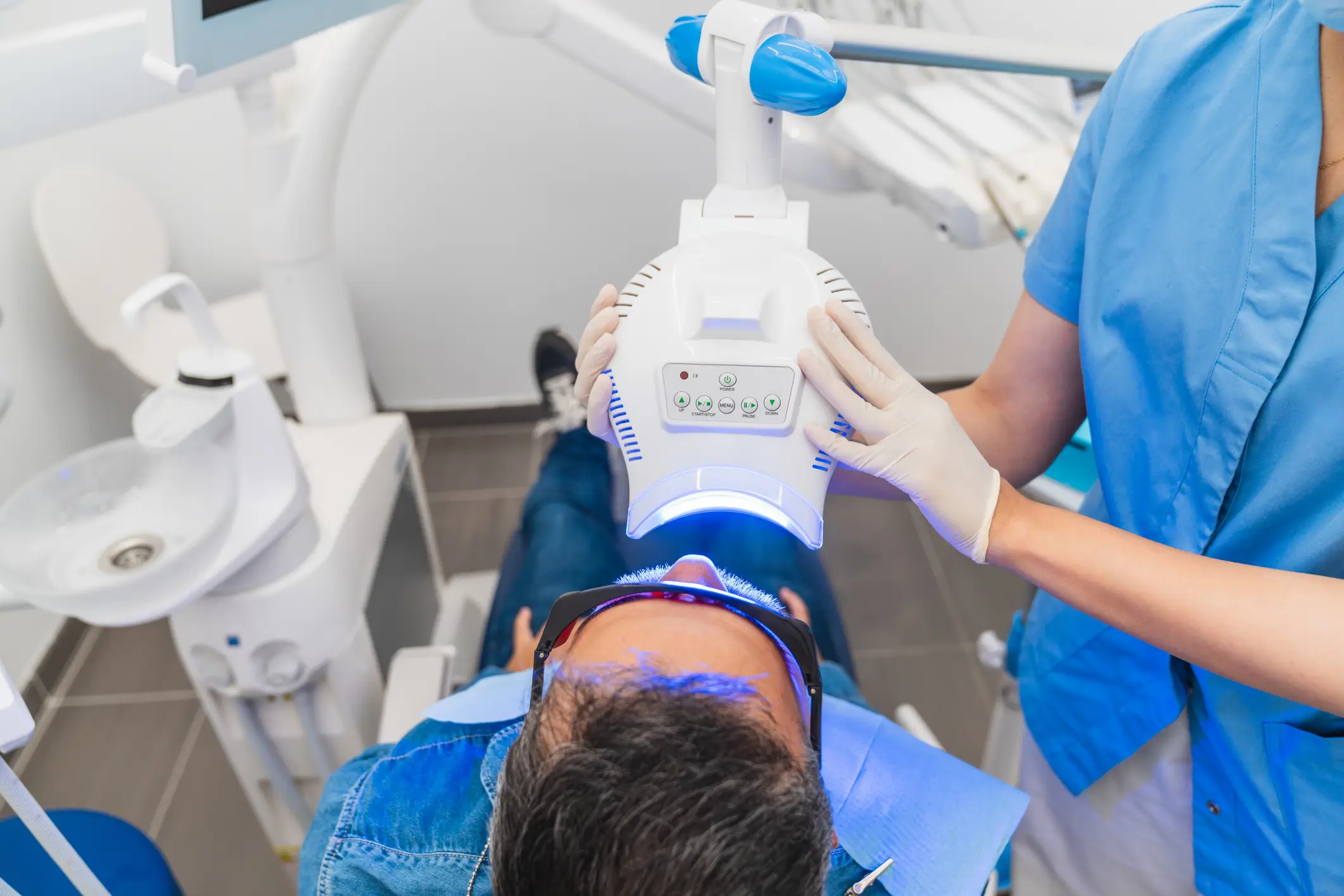
Regarding visits to the dentist, European associations confirmed following the nail gel ban last year that the chemical is used in treatments such as fissure sealing, tooth restoration and even the likes of more cosmetic treatments like whitening.
In a Rádio Renascença report, Portugal’s Dental Association (Ordem dos Médicos Dentistas, OMD) said that the TPO amounts used in dental applications are minimal compared to those in gel polishes. The percentage of it used in these products is not mentioned.
TPO is described as a photoinitiator and these are used in dental products such as resins and cements to help with curing and to achieve a secure, non-discolouring finish.
Some of those in the nail tech industry have called out the continued use of TPO elsewhere as IKON.IQ claims: “The regulatory divergence creates a situation where chemical compounds receive disparate treatment based solely on application category, not inherent safety characteristics.”
 Jess Battison