
'Radioactive man' only had one organ left intact after suffering excruciating 83-day death

'Radioactive man' Hisashi Ouchi was left with just one of his organs fully intact after absorbing a fatal dose of radiation during a 1999 accident in Japan.
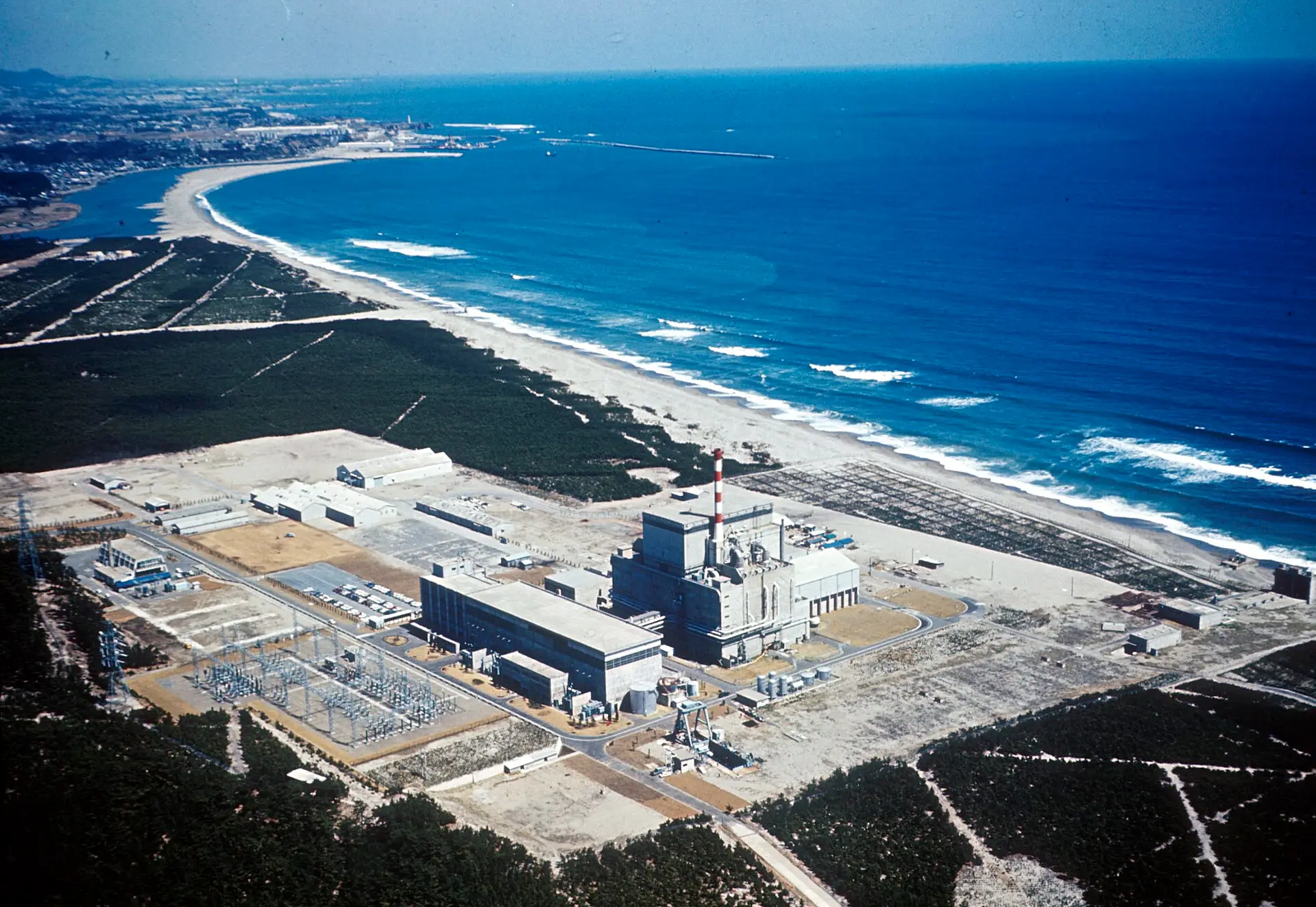
On 30 September 1999, Ouchi had clocked on for his shift as a technician at Tokaimura Nuclear Power Plant, Japan. Working alongside Masato Shinohara and Yutaka Yokokawa, Ouchi had been assigned a task which involved mixing uranyl nitrate inside a huge metal vat, a highly volatile and dangerous job.
The men would make a fatal miscalculation while mixing the liquids, leading to an uncontrolled nuclear reaction taking place in the room.
All three men immediately received high does of radiation, with Yokokawa, who was the furthest away, absorbing 3,000 millisieverts (mSv) of radiation.
Advert
Shinohara absorbed 10,000 mSv while Ouchi, who had his body pressed up against the side of the tank when the accident occurred, received a dose of 17,000 mSv.
To put this into perspective, the international radiation safety limit for those working around radiation is 20 mSv per person, per year. Meanwhile the dose absorbed by emergency responders at Chernobyl was between 20 to 500 mSv.

What happened to Hisashi Ouchi?
As the closest person to the reaction and the most impacted, Ouchi's fate was sealed from the moment the men first saw the blue flashes explode from the tank.
He was transferred to the University of Tokyo Hospital where he remained alive for a further 83 days under intense medical care.
According to the 2002 book A Slow Death: 83 Days of Radiation Sickness, Ouchi didn't appear to be visibly unwell when he arrived at hospital. However the next few months the father's physical health would rapidly deteriorate.
Ouchi's white blood cell count plummeted, meaning his immune system was no longer working and he was vulnerable to infection.
He also underwent multiple skin grafts, blood transfusions, and even stem cell transplants – but none of this was able to stop the effects of his fatal radiation dose.
On his 59th day in hospital, Ouchi would suffer three heart attacks, but was revived upon the request of his relatives.
He passed away on 21 December 1999 at the age of 35, suffering the worst radiation burns in recorded history.
What did doctors find in Hisashi Ouchi's autopsy?
The NHK journalists who worked on A Slow Death revealed the extent of the damage the radiation had caused to Ouchi's body. According to an autopsy conducted by Shogo Misawa, Ouchi's body displayed 'organ alterations' which he had never before seen.
Misawa noted that Ouch's body had 2,040 g of blood in his stomach and 2,680 g in his intestines – an indicator that his gastrointestinal system had ceased to function. Meanwhile the mucus membranes covering his internal organs and stem cells typically present in bone marrow had disappeared.
The only organ which hadn't been damaged was his heart. Unlike the muscle cells across the rest of his body, which had lost their fibre, his heart remained undamaged by radiation.
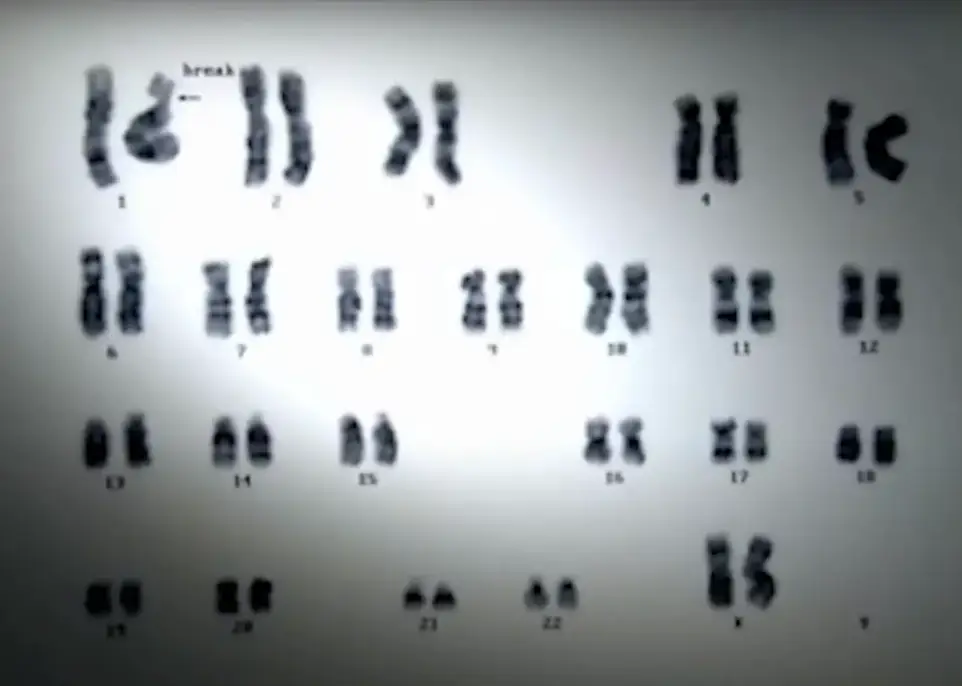
The finding baffled Misawa, who told reporters: "I researched medical literature and discussed it with clinical doctors, but I couldn't find the reason.
"Was it an effect of radiation? Or an effect of the medication used during the radiation damage treatment?"
Misawa did however draw a heartbreaking conclusion from his findings, that Ouchi had wanted to live and fought hard to hold on to life.
"From the pitiful condition of Mr. Ouchi's internal organs, I could see that Mr. Ouchi had lived with all his might, he really had done his best," he said.
Ouchi's cause of death was ultimately determined to be multi-organ failure caused by a severe, acute dose of radiation.
His case remains a harrowing reminder of the devastating impact which radiation can have on the human body.
Topics: Science
 Brenna Cooper