
Woman ate peanut butter every day for one week and it had huge impact on her health

A woman who ate peanut butter every day for one week revealed the impact it had on her internal system.
Love it, hate it, or be allergic to it - peanut butter is a nutritional and yummy snack that both children and adults enjoy.
But usually, it’s in moderation and is an occasional additive to our food.
As a healthy alternative to other spreads, peanut butter can be really friendly on your system...if it’s made in the right way.
Advert
According to Lauren Manaker, R.D., a dietitian and author, peanuts are a great option to add to your diet.
But one thing to note about peanut butter is its high fat content, with a typical jar containing around 50 grams, per the USDA.
That’s equivalent to 100 grams of butter, or 450 calories.
So, what happens when you eat a tablespoon of peanut butter every single day?
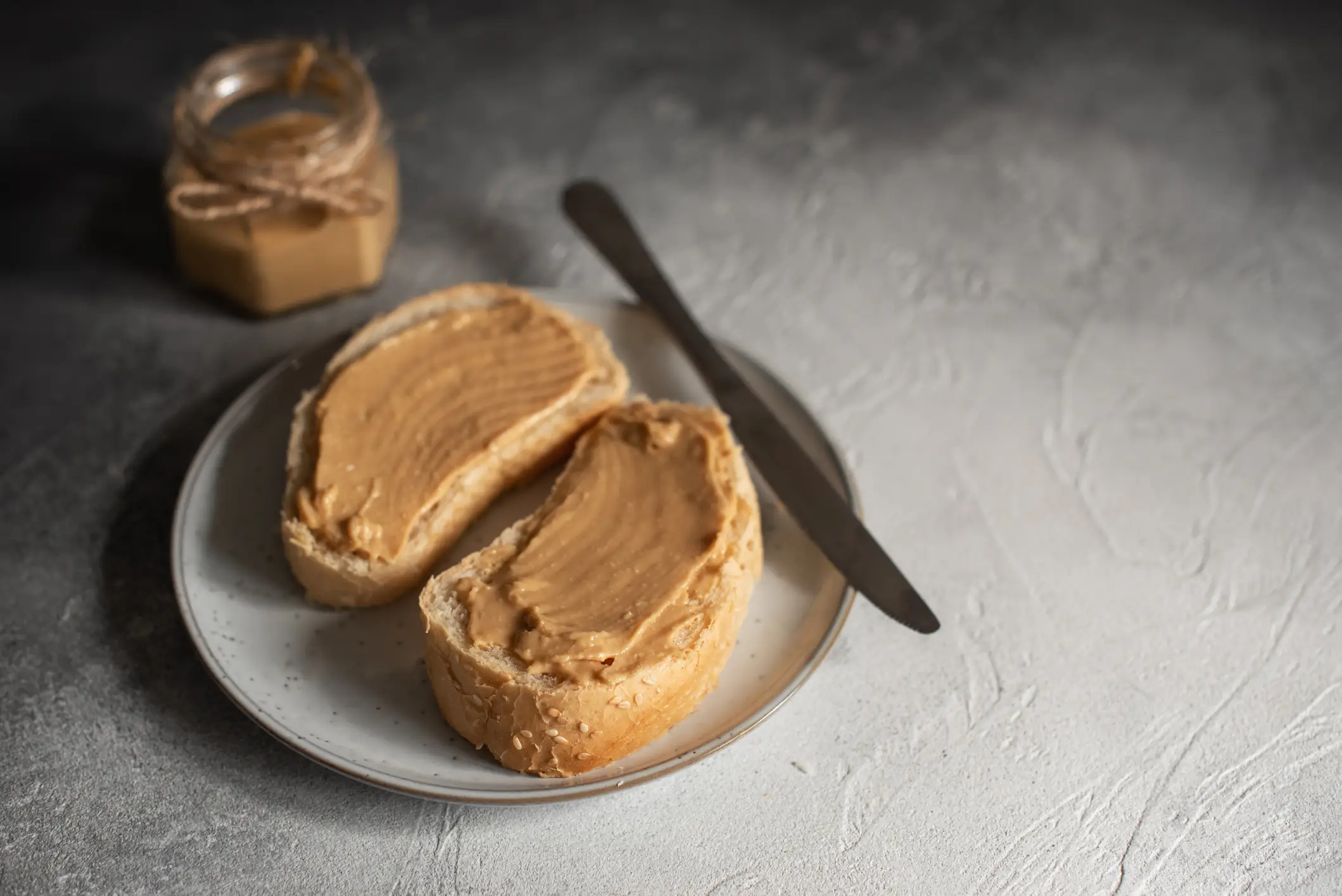
Well, for this diabetic, it was positive.
According to Emily Goldman, eating the nut butter helped to lower her blood sugar after she attempted the challenge out of a need to switch up her diet to incorporate more diabetic-friendly ideas.
She explained how she’d eat a ‘tablespoon of peanut butter straight up (on a spoon), added a tablespoon of it to my morning yoghurt and granola, and even dip an apple into it’ to see if her body would react differently with it paired with carbohydrates.
“As a frequent peanut butter eater, I didn’t see many differences in terms of my body composition or digestion. But I did see a change when it came to my blood sugar,” revealed Emily.
She said she wears 'a continuous glucose monitor (CGM) that measures the levels of glucose between the layers of my skin in five-minute increments’, so this helps her to see how food impacts her levels so her insulin pump can adapt.
While she explained that practically everything would spike her blood sugar levels, she noted that none of the tablespoons of peanut butter impacted her ratings in the same way.
Instead, she ‘felt fuller, longer,’ experienced fewer spikes when pairing her peanut butter with ‘carby snacks’ (because carbs turn into sugar which reacts with insulin production), and had ‘minimal variations in blood sugar when eating it on its own’.
Emily was eating the smooth Jif peanut butter, which amounts to eight grams of fat per tablespoon and 80 calories.

According to Manaker, the impact of peanut butter was to be expected.
She told Yahoo!: “Assuming the peanut butter isn’t made with added sugars, it can have a minimal impact on blood sugar levels because it’s low in carbohydrates and is a source of ‘good’ fats and protein.”
She went on to say: “The fats and protein slow down the digestion of carbohydrates, which helps reduce the risk of rapid spikes in blood sugar. This makes peanut butter a great option for supporting healthy blood sugar, especially when paired with carbohydrate-rich foods like bread, crackers, or fruit.”
The expert even said it’s heart healthy and helps to lower cholesterol levels and ‘contains nutrients like vitamin E, a powerful antioxidant, as well as magnesium, which is essential for bone health and muscle function.’
“It also provides potassium, which helps regulate blood pressure. It is also very accessible and versatile, making it a great food to have on hand for many people,” she concluded.
So, it looks like I’ll be reaching for that jar guilt-free.
Topics: Food And Drink, Health
 Britt Jones