NASA finds ‘signs essential for life’ on asteroid in major discovery

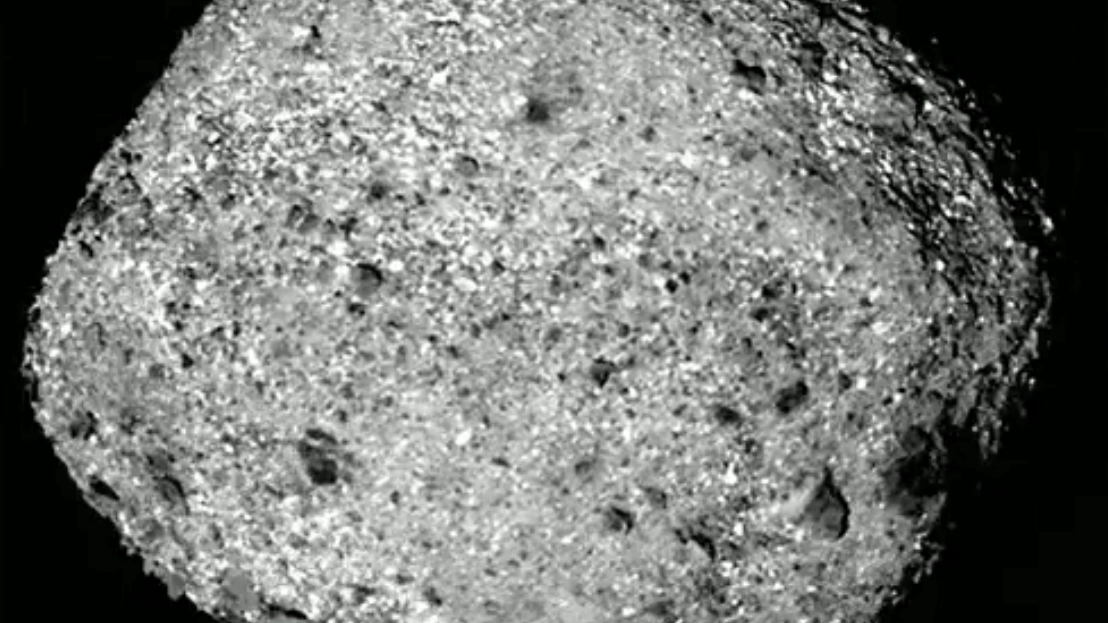
NASA has announced that it has found signs 'essential to life' on a space rock which it set out to investigate for the first time in 2016.
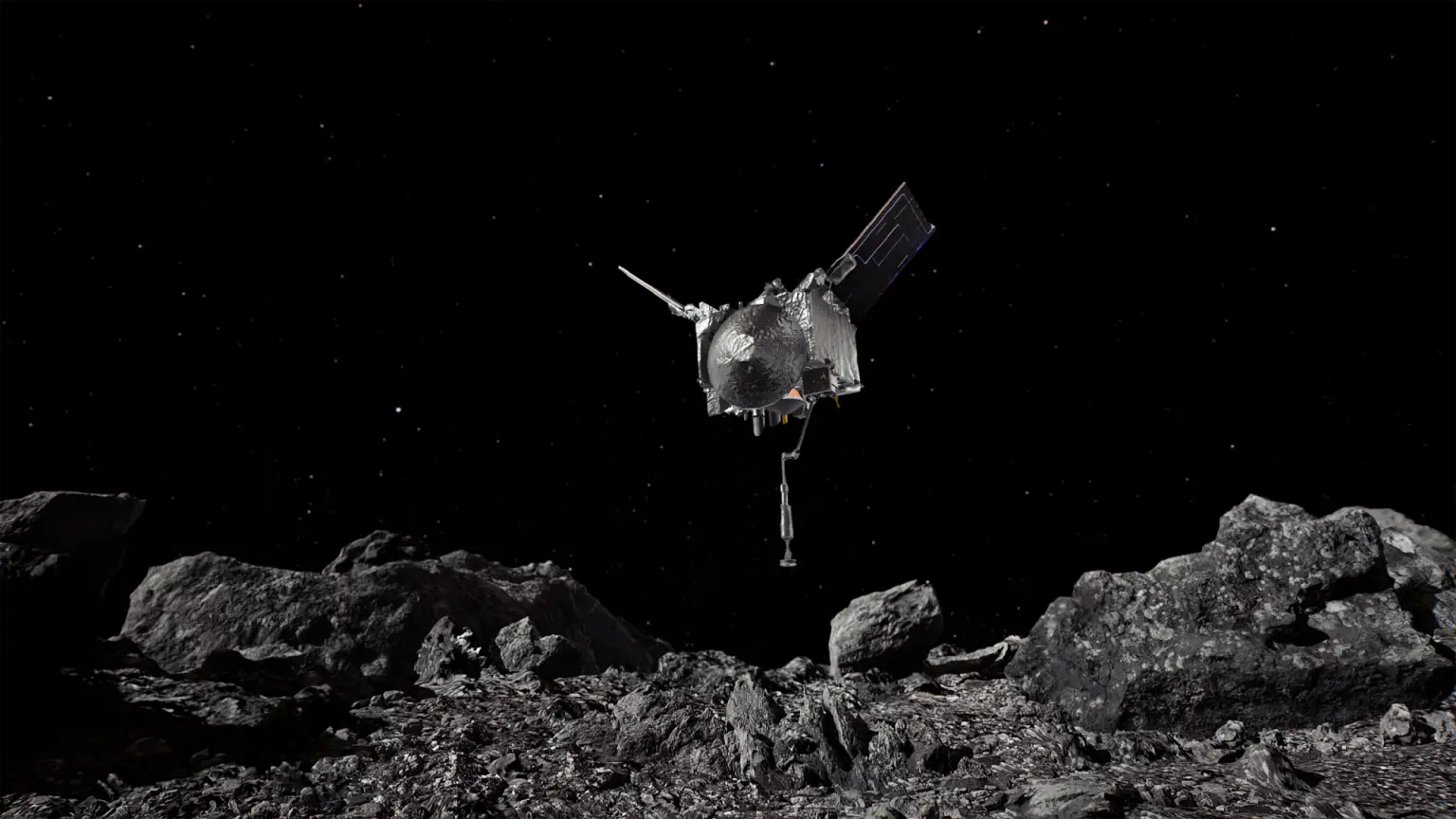
In 2023, samples collected from an asteroid called Bennu returned to Earth thanks to NASA's OSIRIS-REx mission, and now, new findings have been made by boffins studying the space rock.
After the US space agency received the samples from the 4.5 billion-year-old asteroid, scientists began analysing its properties to help give us more information on how the early solar system may have begun, as well as the possibility of other universes existing.
Taking to X following the release of a number of papers on Bennu earlier this week, NASA said that 'sugars essential for biology' have been discovered in the samples for the first time ever.
Advert
This is a major energy source of life, as the sugars can 'join nucleobases and phosphates previously found', meaning that key DNA and RNA building blocks are present on the asteroid.
"Although these sugars are not evidence of life, their detection, along with previous detections of amino acids, nucleobases, and carboxylic acids in Bennu samples, shows building blocks of biological molecules were widespread throughout the solar system," NASA explained in a press release.
"Because OSIRIS-REx samples were collected and analysed free of earthly contamination, these findings give strong evidence that crucial ingredients for life’s chemistry were readily available on asteroids throughout the solar system."
A second paper, published in the journal Nature Astronomy, has also revealed that 'a gum-like material' has been found in the Bennu samples, which, again, has 'never seen before in space rocks'.
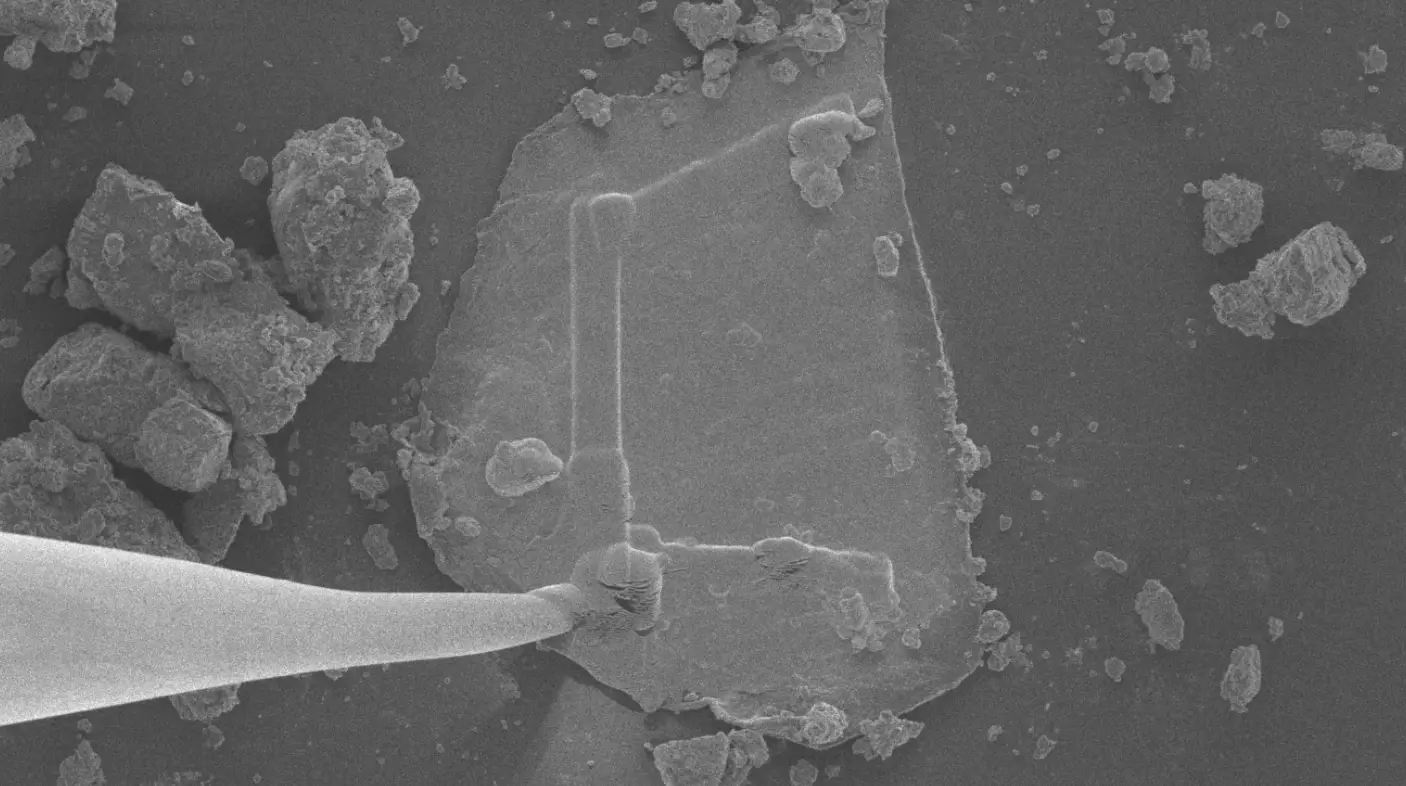
NASA describes this gum as 'something that could have helped set the stage on Earth for the ingredients of life to emerge'.
The gum, which would have once been soft and flexible but is now hard, is made up of materials extremely rich in nitrogen and oxygen.
"Such complex molecules could have provided some of the chemical precursors that helped trigger life on Earth, and finding them in the pristine samples from Bennu is important for scientists studying how life began and whether it exists beyond our planet," NASA explains.
NASA scientist and OSIRIS-REx Co-Investigator Daniel Glavin said of the discovery: "I'm becoming much more optimistic that we may be able to find life beyond Earth, even in our own solar system."
But while all the chemical building blocks and other components were present in the Bennu sample, they still have not found concrete evidence for life in the asteroid.
The expert says, though, that this will 'open up a lot of new areas of research', as scientists will be eager to find out why these building blocks didn't advance to something more complex.
 Joshua Nair