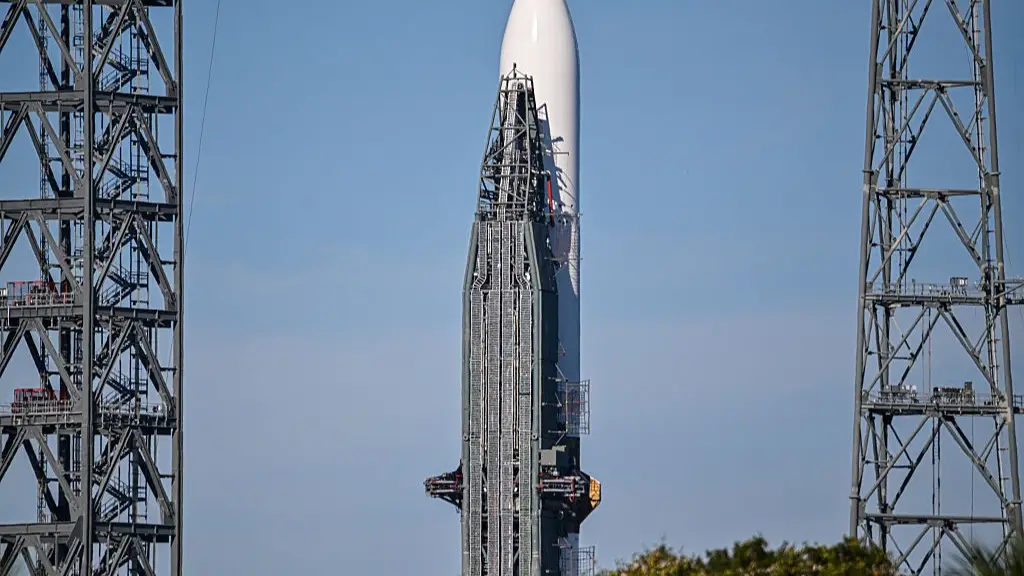
NASA cancels space launch as biggest 'cannibal storm' in 20 years hits

There's always going to be more discoveries we can make about space and it's regularly throwing up weird and wonderful things for astronomers to observe.
Powerful technologies, such as the James Webb Space Telescope, allow us to see things that we've never seen before, and you can't go a few weeks without hearing about a prospective new planet or asteroid that's on course for the Earth.
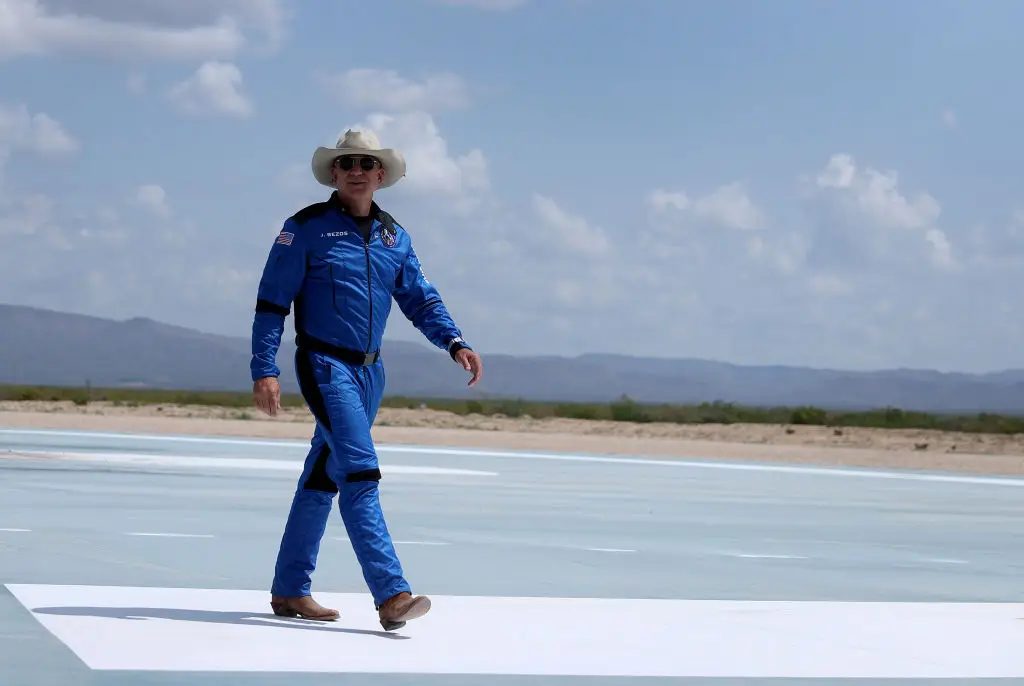
Humanity is now heading up into space more than ever before, with celebrities even getting involved, and after the success of Blue Origin's brief trip above the Earth's atmosphere earlier this year, the astronautics company founded by Jeff Bezos had hoped to launch a new expedition to Mars earlier today (12 November).
However, all the money in the world can't help you when a 'cannibal storm' hits the Earth - something which can disrupt GPS, communication systems and power grids.
Advert
We are used to storms in this country getting silly names like Bert or Eddie, but a cannibal storm sounds far more ominous, and that's for a good reason.
It is reportedly capable of feeding of another storm, to become one of the biggest seen in the last two decades.
Naturally, with communications affected so negatively, it was perhaps no surprise when Blue Origin confirmed that it would be delaying the launch of New Glenn earlier today.
Announcing the postponement on X, Blue Origin said: "New Glenn is ready to launch.
"However, due to highly elevated solar activity and its potential effects on the ESCAPADE spacecraft, NASA is postponing launch until space weather conditions improve.
"We are currently assessing opportunities to establish our next launch window based on forecasted space weather and range availability."
We've already seen in the past how much damage space weather can have on the Earth, with mass outages happening previously, while scientists have warned about the 'internet apocalypse' that could occur in the event of a particularly chaotic solar storm.
Gemma Richardson, geomagnetic hazard specialist with the BGS, said: "Space weather can have a real impact on the lives of people across the planet.
"BGS records real-time data of geomagnetic conditions, underpinning the national forecast service.
"Our data suggests that this event could be one of the biggest storms we've seen in 20 years."
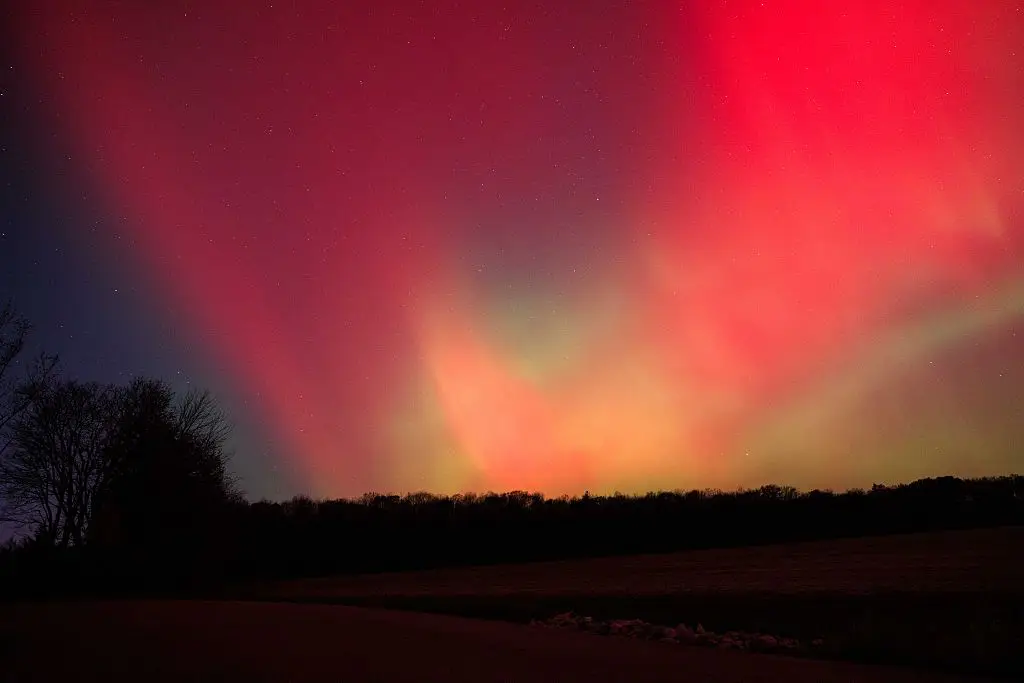
However, it's not all bad, as the solar storms already led to some pretty spectacular Northern Lights sights in Britain yesterday (11 November), and the same could occur tonight if skies are clear enough.
The Blue Origin launch doesn't have a new date as of yet but when it does eventually set off, it will take two Mars-bound NASA spacecraft up into the cosmos.
Topics: Space, Blue Origin, NASA
 James Moorhouse