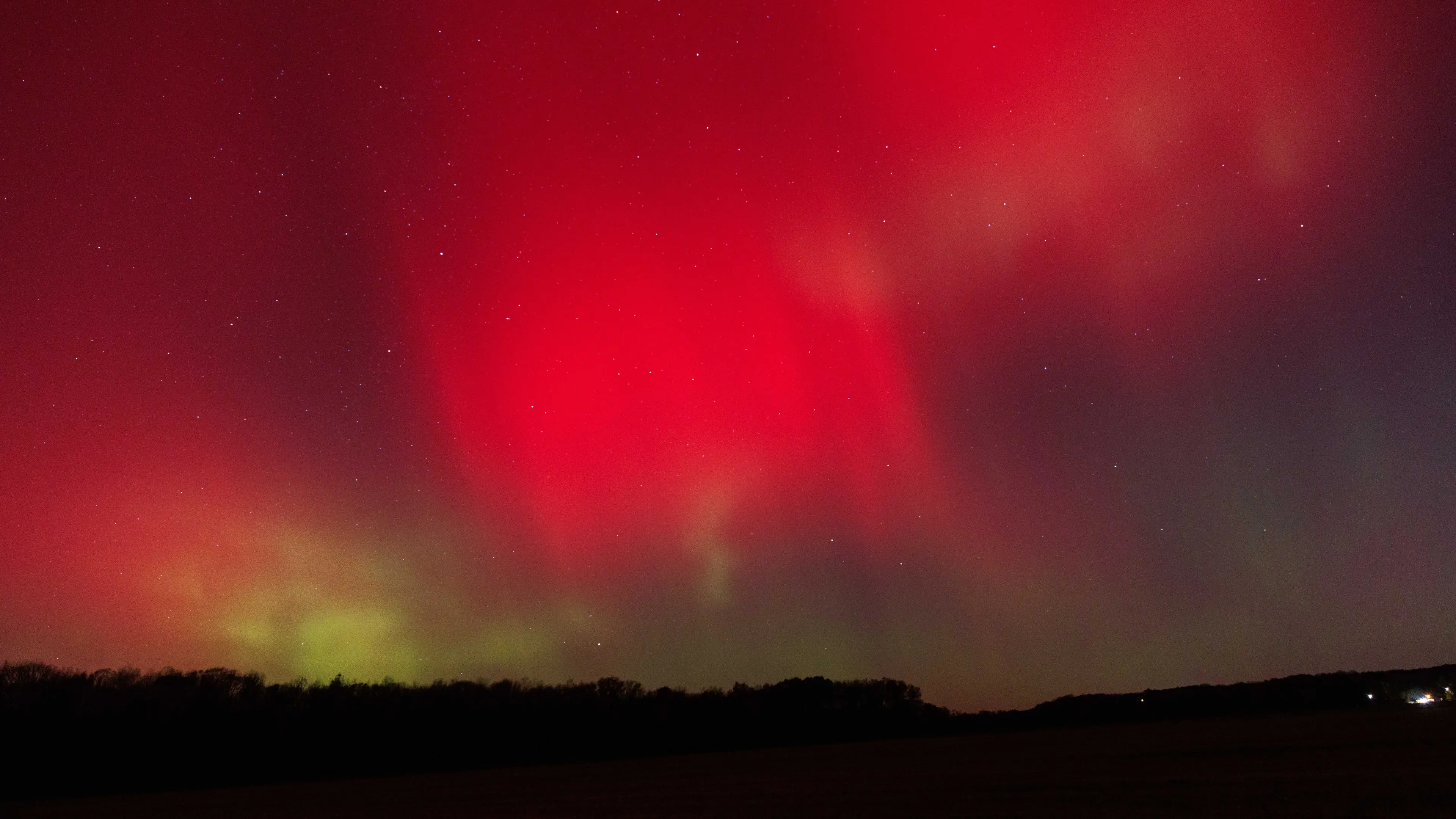
Northern Lights could be visible tonight as alert issued

The Northern Lights have been shining over much of Europe and North America over the past few nights, but while the stunning phenomenon might seem like a beautiful sight, the Aurora Borealis could be a sign of something much more sinister.
It comes as severe solar storms are predicted to hit Earth, potentially disrupting power grids, radio communications and even some GPS services.
Space weather forecasters from the National Oceanic and Atmospheric Administration have warned that the Northern Lights could be signalling severe geomagnetic storms as the sun goes through an active phase of experiencing a number of eruptions, called coronal mass ejections (CMEs).
While there's no need to panic just yet, the most severe solar storm on record is said to have triggered auroras across Hawaii, setting telegraph lines on fire back in 1859, PBS reports.
Advert
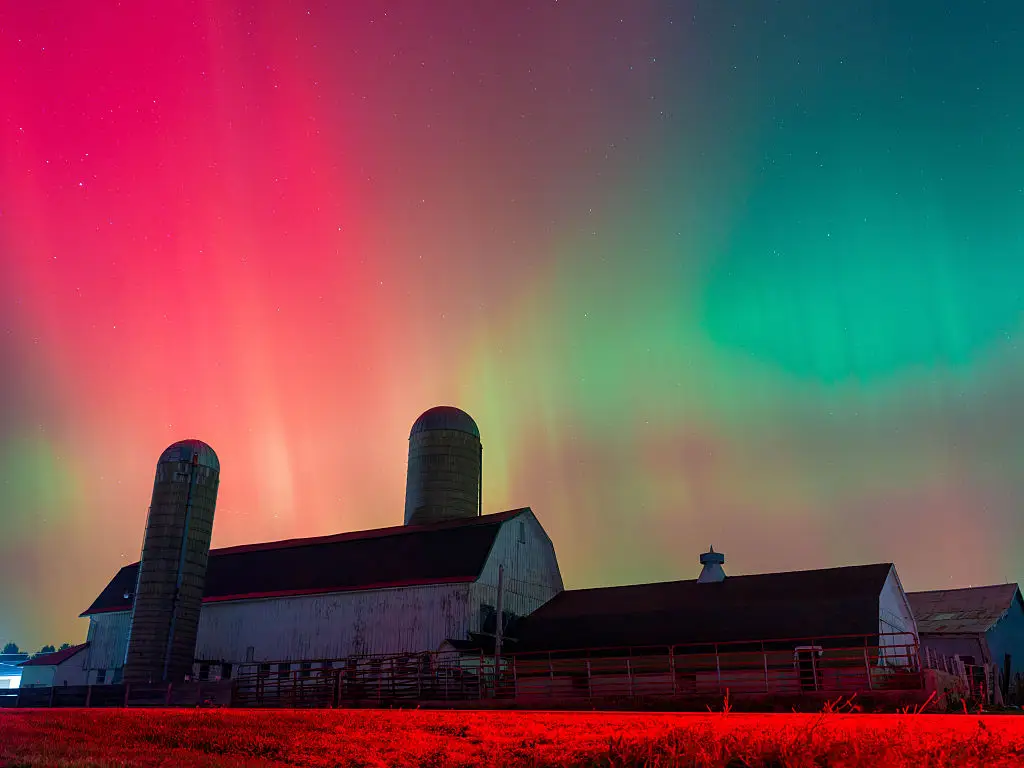
What causes the Northern Lights?
The Aurora Borealis are caused when the sun's CME sends solar particles towards Earth, which interact with our planet's magnetic field and atmosphere.
This week, the northern lights have been sparked by three powerful flares from the sun, setting Earth on a path for a 'severe' geomagnetic storm.
The three flares originated from a sunspot region called ARK274, which erupted on 9 November, 10 November, and 11 November, with a fourth, more powerful flare predicted soon.
In situations where the Earth gets in the way of a CME, as is the case right now, the impact triggers a geomagnetic storm, which will be rated from G1 to G5, the latter being the most severe.
Space weather forecasters in the US have predicted a G4-level storm, while the Australian Space Weather Forecasting Center has warned of the chance of a G5-level space storm.
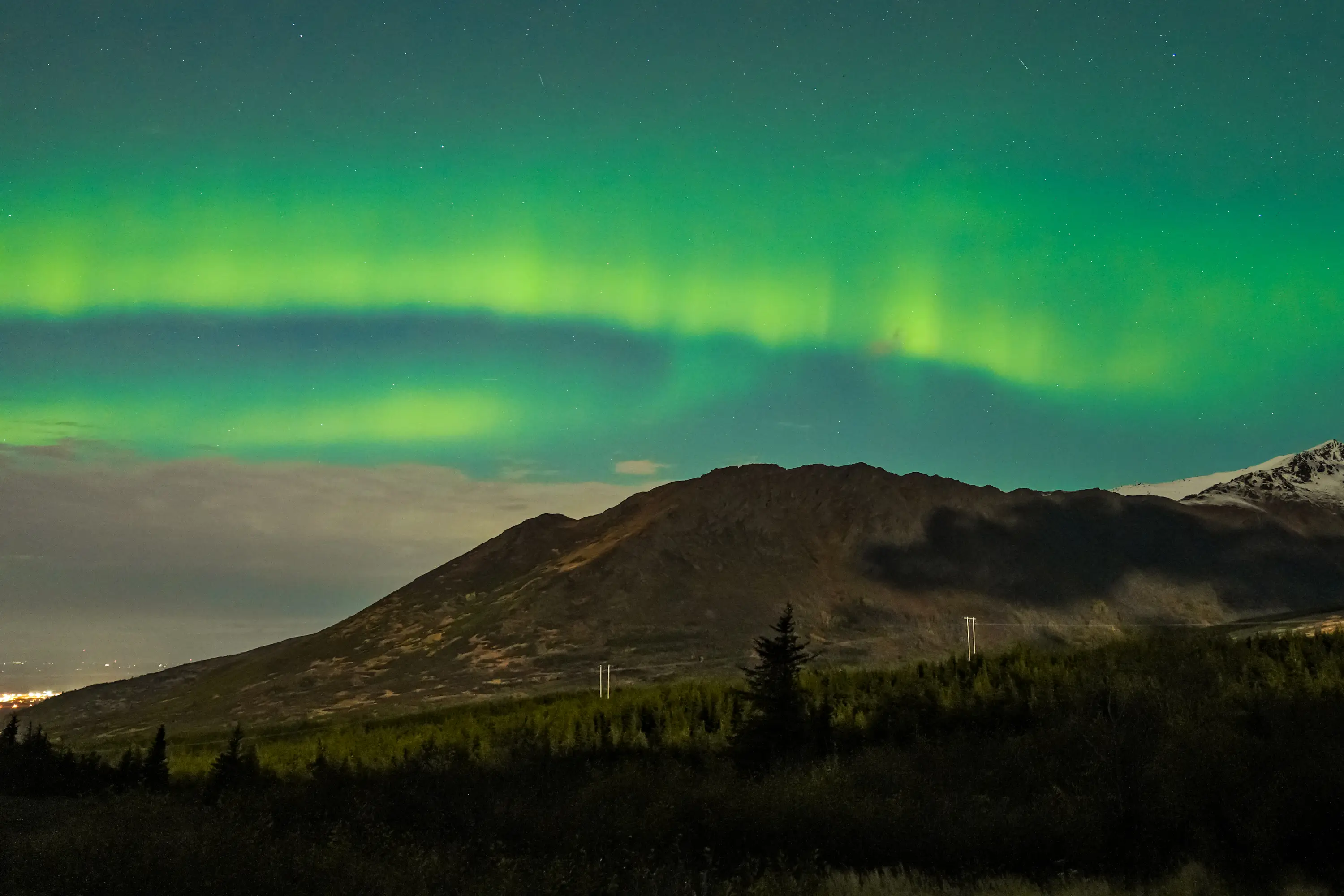
How will the solar storms affect us?
While NASA has reassured us that the geomagnetic storm will not cause direct harm to anyone on Earth, thanks to our planet's magnetic field protecting us from the worst of it, it can still cause a significant amount of chaos.
The space agency says the storm might cause radio blackouts and power outages, as well as he stunning auroras we're already witnessing.
The UK Met Office has also reported a 'moderate to high' risk of geomagnetic activity today and tomorrow (12-13 November), with the organisation noting 'chance of further Strong solar radiation storm levels,' which could impact radio communications.
If you're heavily reliant on GPS, HF radio or amateur radio, you might see some disruptions over the next few days, but the chance of negative impacts on power supply and internet access is very low.
Where can I see the Northern Lights?
If you want to see the Aurora Borealis for yourself, the best places to see it in the UK are generally places like northern Scotland, northern England and northern Wales, particularly in areas away from city light pollution.
However, this is contrasted with the need for a cloud-free sky, which isn't looking too likely up north.
That being said, with the current strength of the northern lights, they should remain visible across the whole of the UK tonight when clouds permit.
 Emma Rosemurgey