Russia's ‘space nuke’ that simulations show would have devastating impact

A simulation of what would happen if a nuclear weapon was detonated in space revealed dire consequences for humanity, as Russia reportedly broaches the idea of interstellar nukes.
In 2024 the Russian Federation faced allegations that it was planning to place nuclear anti-satellite weapons on space in low orbit, according to the Royal United Services Institute (RUSI) think tank.
Although current information does not suggest there is an operational weapon in space, the suggestion has been a cause for concern, particularly in the US, with former chair of the House Intelligence Committee Mike Turner calling it a 'national security threat'.
Now information about what a hypothetical nuclear space weapon could look like has been released – and it would have a devastating impact for Earth.
Advert
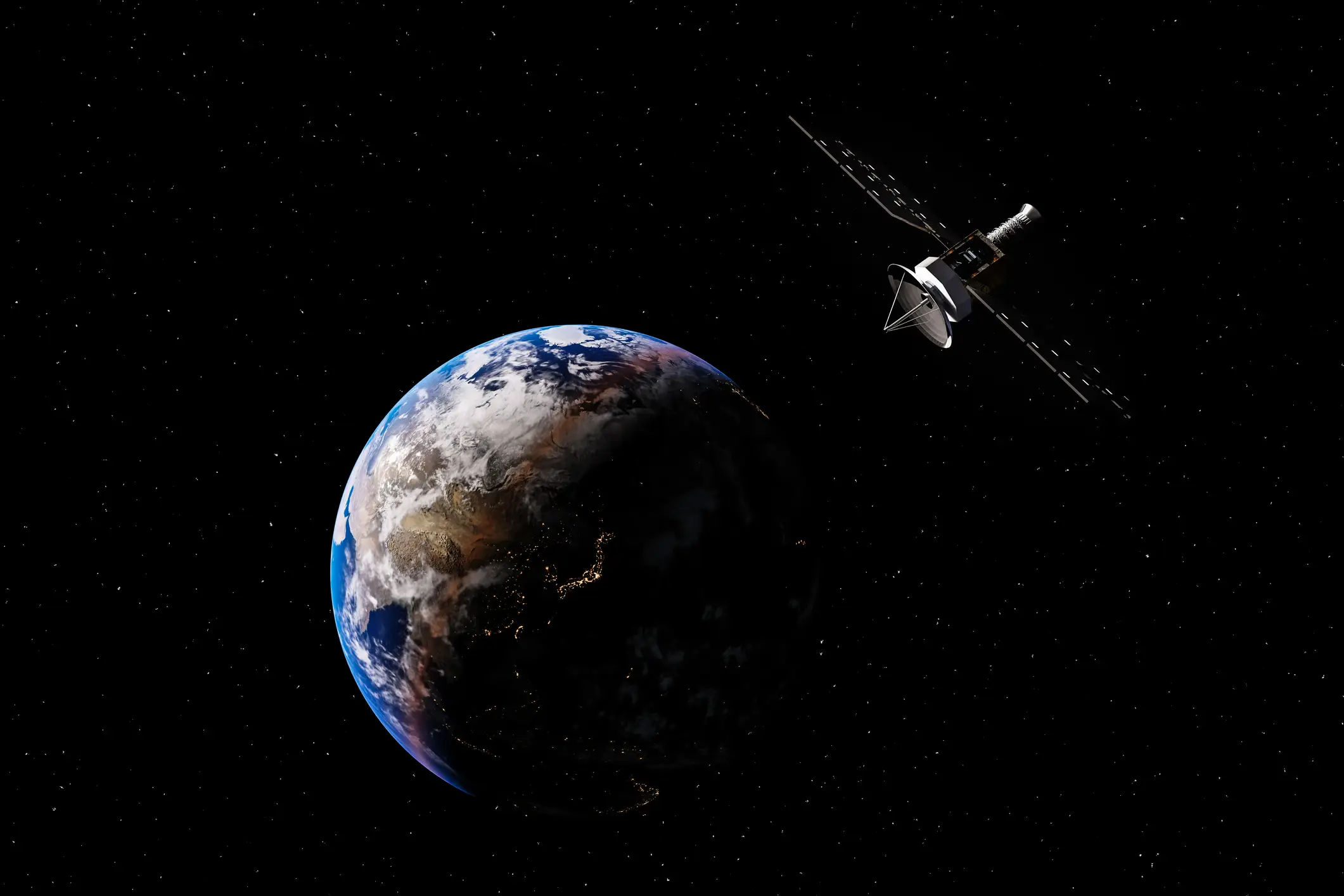
According to MailOnline, experts at the Pentagon have since created various simulations of what would happen if Russia, or any hostile nation, were to launch a nuclear warhead in low orbit space.
The simulation revealed that such an explosion would kill all astronauts onboard the International Space Station as well as destroying dozens of satellites currently stationed in space.
The report went on to add that US security forces were assessing response options to such an attack, which includes looking at how quickly replacement satellites could be launched into space as well as disruption on Earth.
Why would a nuclear attack in space be harmful?
Satellites play a crucial role in modern life, with the technology being responsible for everything from weather forecasting, to GPS navigation and global communication – meaning the destruction of satellites would have a major impact on our day-to-day lives.
This concern was something which was laid out explicitly by German defence minister Boris Pistorius, who called satellites the 'Achilles’ heel' of an attack on modern nations.
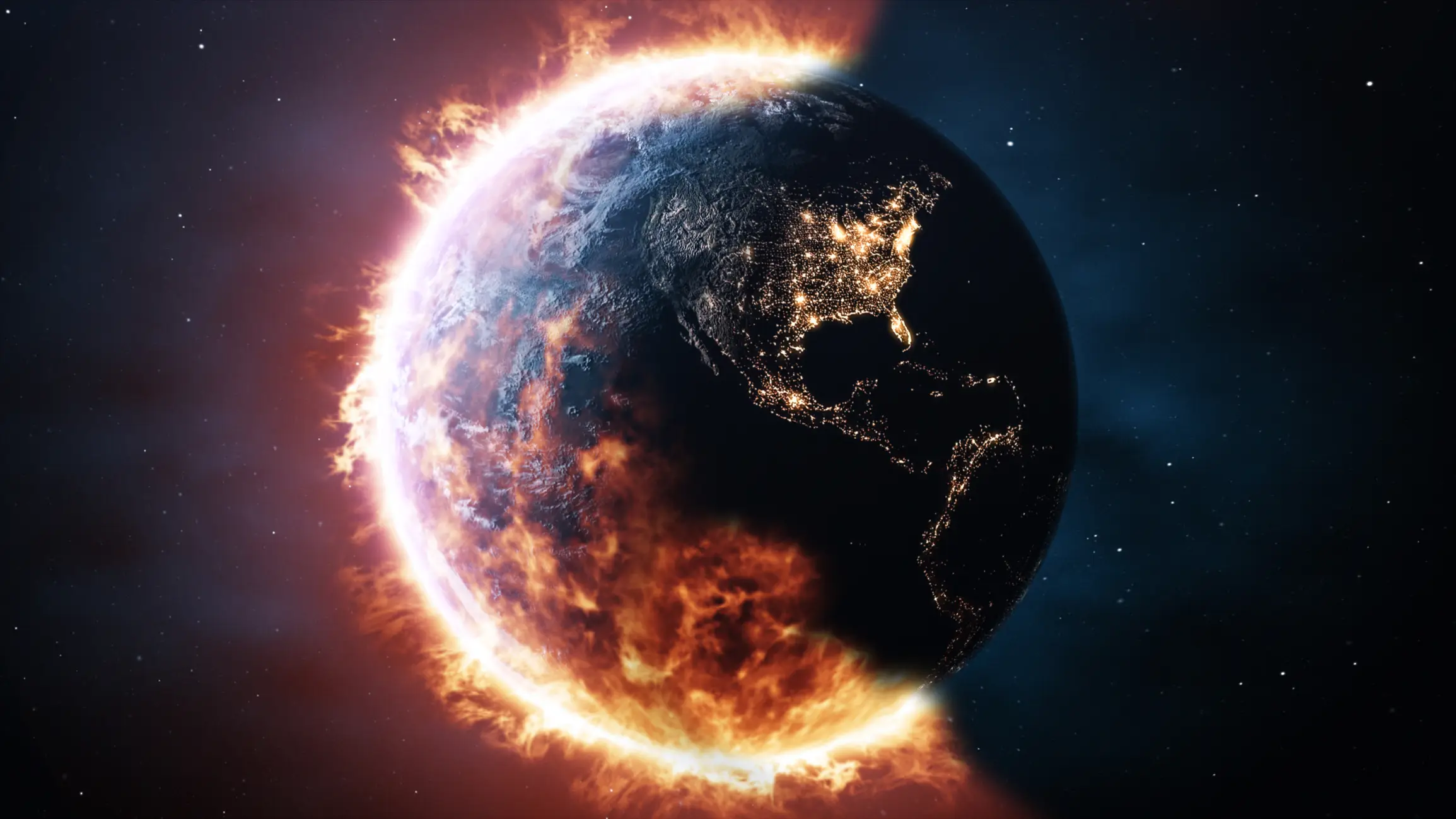
"[It] would be cataclysmic," Brig.-Gen. Christopher Horner added to CBC.
"Everything that we have come to rely on from a communications platform level or from a GPS level – if [Russia] were to deploy a capability like that and then detonate it – would be wiped out."
Meanwhile Scientific American reflected on the impact made by nuclear tests in space conducted by the US and Soviet Union during the 1960s. During one test, Starfish Prime, caused a major power surge over the Pacific Ocean and destroyed numerous satellites.
"The Starfish Prime shot is sort of the poster child for why we don’t like nukes blowing up in space,” says Jonathan McDowell, an astrophysicist at the Centre for Astrophysics, Harvard & Smithsonian told the outlet.
What are the rules around stationing weapons in space?
Concerns around the colonisation and weaponisation of space led to the 1967 Outer Space Treaty, which concluded that the cosmos should only be used for peaceful purposes and should be explored freely by all nations.
Under Article IV of the treaty, nations are prohibited from placing weapons of mass destruction or nuclear warheads either in space or on the Moon. However conventional weapons have not been explicitly banned.
 Brenna Cooper