ladbible homepage
ladbible homepage
  • Home
  • News
    • UK
    • US
    • World
    • Ireland
    • Australia
    • Science
    • Crime
    • Weather
  • Entertainment
    • Celebrity
    • TV
    • Film
    • Music
    • Gaming
    • Netflix
    • Disney
  • Sport
  • Technology
  • Travel
  • Lifestyle
  • Money
  • Originals
    • FFS PRODUCTIONS
    • Say Maaate to a Mate
    • Daily Ladness
    • UOKM8?
    • FreeToBe
    • Citizen Reef
  • Videos
  • Advertise
  • Terms
  • Privacy & Cookies
  • License Our Content
  • About Us & Contact
  • Jobs
  • Latest
  • Archive
  • Topics A-Z
  • Authors
Facebook
Instagram
X
Threads
Snapchat
TikTok
YouTube
Submit Your Content Here
  • GAMINGbible
  • LADbible Group
  • UNILAD
  • SPORTbible
  • Tyla
  • FOODbible
  • UNILAD Tech
Today is going to be the shortest day in recorded history
Home>News>Science
Published 12:24 9 Jul 2025 GMT+1

Today is going to be the shortest day in recorded history

I'll be losing sleep over this

Jess Battison

Jess Battison

google discoverFollow us on Google Discover

With scientists feeling pretty baffled, today (9 July) is set to be the shortest day in recorded history.

Yeah, we’re going to be losing sleep over this. Well, quite a teenie tiny bit of sleep anyway.

It is a bit confusing to think of even just based on the fact that it’s summer, so therefore the days are ‘longer’ with the longer hours of daylight.

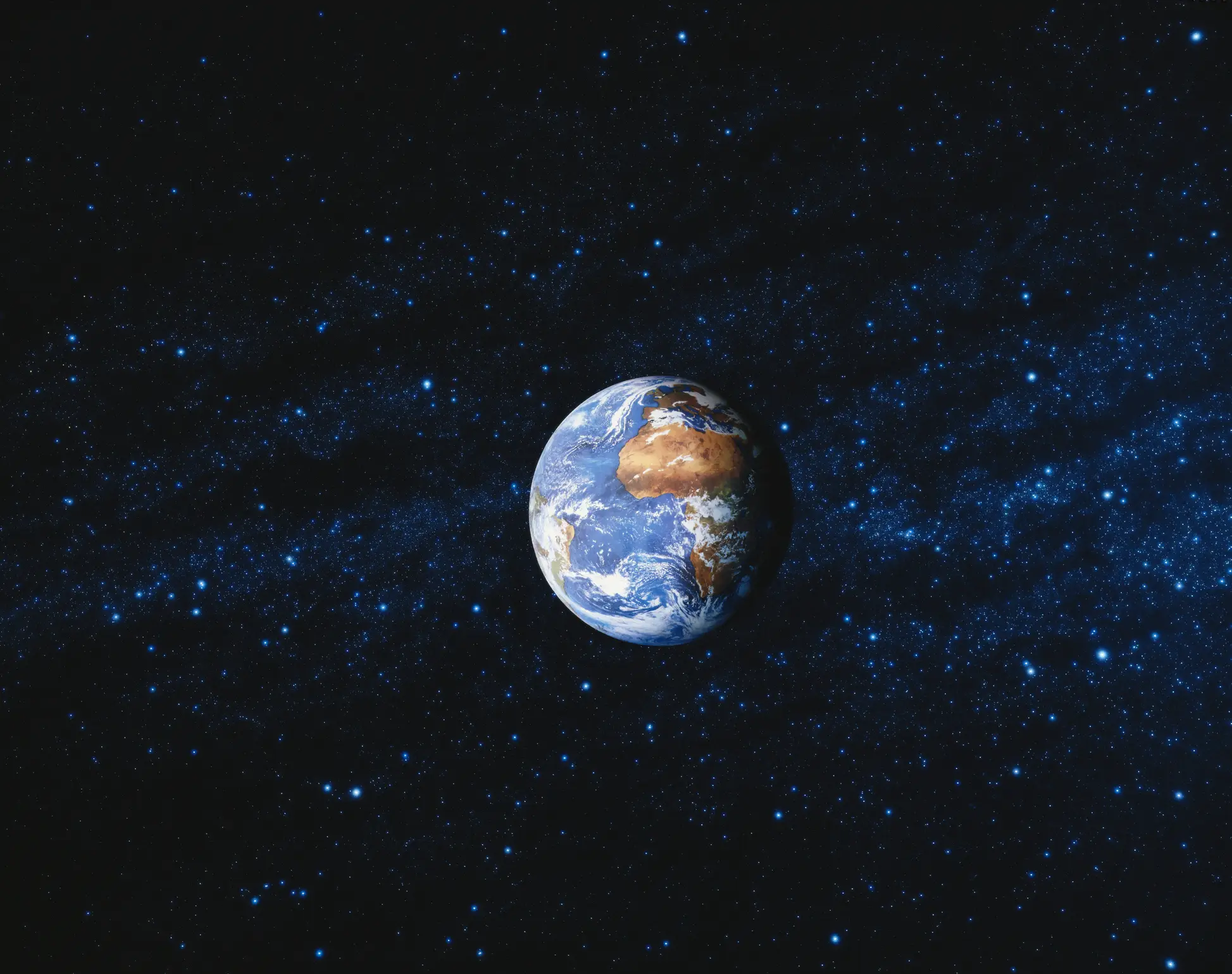
But it is actually the time itself that’s shorter today, as the full day will be a whole 1.3 to 1.6 milliseconds shorter than average. While us mere Earthlings might not necessarily notice this cut to our day, it’s a sign of a change going on with our planet.

Advert

And scientists say more short days are set to happen pretty soon.
It's going to be a teenie tiny bit shorter (Getty Stock)

The planet Earth takes 24 hours (or 86,400 seconds) to make full rotation around its axis - but it’s worth pointing out that this rate does fluctuate by a very small amount.

To track the changes in the planet’s activity, the International Earth Rotation and Reference Systems Service (IERS) is constantly measuring the length of the day to a high level of accuracy.

“We’ve always needed to do certain things at certain times, with varying levels of accuracy, like knowing when to plant your crops,” Dr Michael Wouters, time and frequency lead at Australia’s National Measurement Institute, told The Guardian.

“As society got more and more complicated, it became necessary to know time more accurately.”

The IERS have noticed a slight speeding up of the Earth’s spin since 2020 and it has been getting steadily faster ever since.

Scientists have been able to predict that this year’s other shortest days will fall on 22 July and 5 August, when the Moon is furthest away from our equator.
The moon plays a part (Getty Stock)

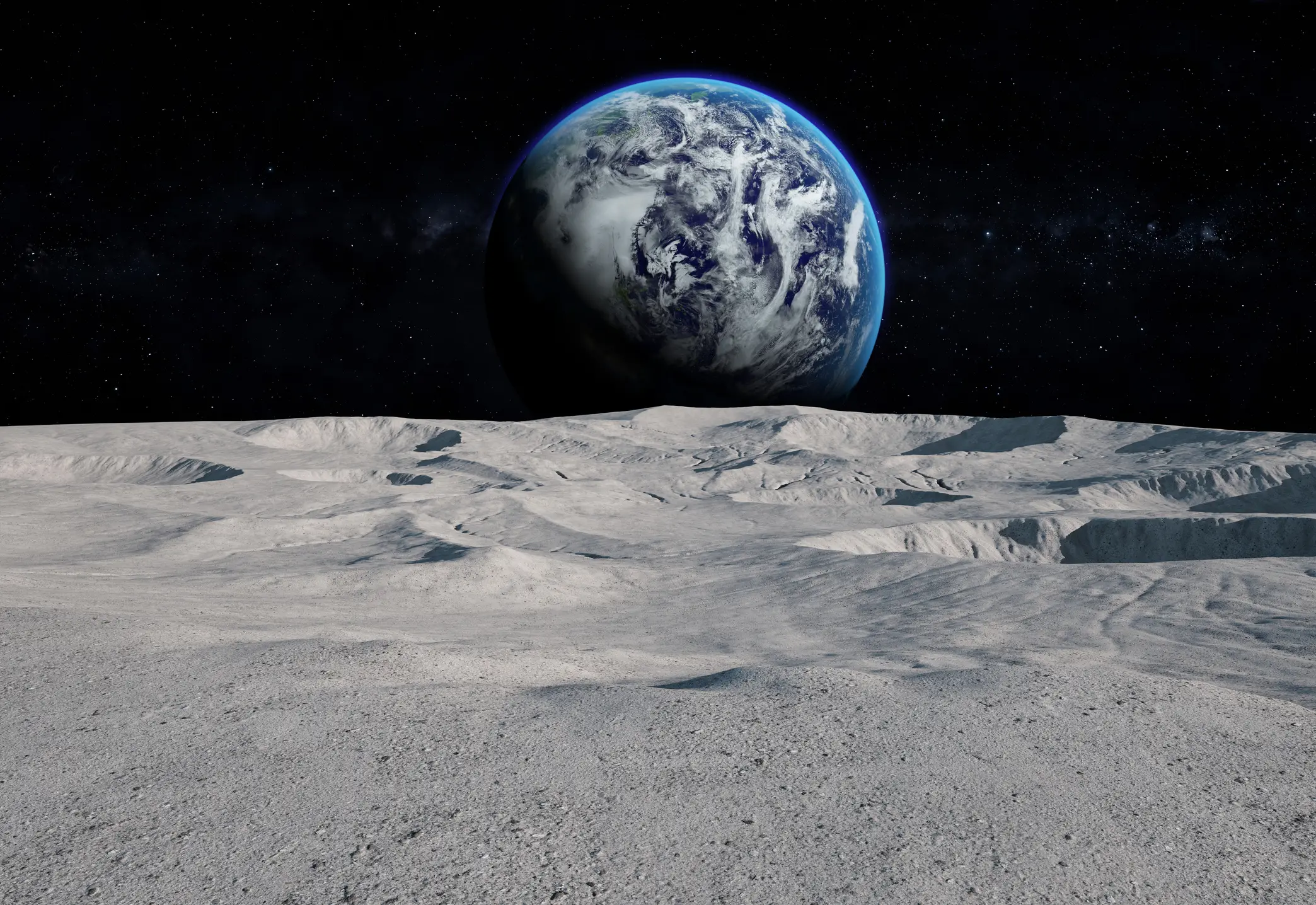
Dr David Gozzard, an experimental physicist who specialises in technologies for precisely keeping and synchronising time at the University of Western Australia, added to the Guardian that the ‘gravitational dance between the Earth and moon’ is a contributing factor in fluctuation of day lengths.

Sometimes the moon will act like a ‘handbrake’ and create ocean tides bulging towards it, slightly slowing the Earth’s spin. And when the moon is furthest from the equator, it therefore weakens the effect.

It’s said the Moon’s gravitational pull causes Earth to slow down by around 2 milliseconds a century, meaning that for the dinosaurs way back when, a day was just under 23 hours long.

The IERS occasionally adds a leap second to the year to make sure high-precision clocks run on time, doing so most recently in 2016.

It skipped doing one this year and may have to take one back in 2029.

Featured Image Credit: Getty stock

Topics: Science, Space

Jess Battison
Jess Battison

Jess is a Senior Journalist with a love of all things pop culture. With a specialism in entertainment, she's covered the updates live at major events from The Brits in London to Disney's D23 in California. Jess covers the latest breaking news stories across the UK and the globe as well as interviewing your favourite faces including the likes of Dwayne Johnson, Stephen Graham, Aubrey Plaza and Chris Hemsworth. She graduated with a first in Journalism from City, University of London in 2021.

X

@jessbattison_

Recommended reads

Madeleine McCann's brother picked to compete in Commonwealth GamesScotland SwimmingWoman shares concerning update on preserved great white shark found abandoned in wildlife parkCrystal WorldJelly Roll’s daughter hints at explosive truth behind Bunnie Xo divorce that will cause ‘internet to crumble’Taylor Hill/Getty ImagesThe Odyssey is part of Nolan's 'trilogy made in reverse' with eerie link to OppenheimerUniversal Pictures

Advert

Choose your content:

6 mins ago
2 hours ago
3 hours ago
  • Scotland Swimming
    6 mins ago

    Madeleine McCann's brother picked to compete in Commonwealth Games

    Sean McCann was two years old when his sister was abducted

    News
  • Daphné Lemelin / AFP via Getty Images
    2 hours ago

    'Emergency rescue' of 30 beluga whales from abandoned theme park finally begins

    The whales have been trapped in the theme park since 2024

    News
  • Instagram
    3 hours ago

    Teenager faces years in Thailand prison for ‘$100 crime’ at airport

    Loukas Rainger's travels around Thailand have culminated with him being arrested at the airport

    News
  • Marvin Ibo Guengoer - GES Sportfoto/Getty Images
    3 hours ago

    FIFA confirms Leandro Paredes was not shown red card after World Cup final brawl as decision clarified

    The Argentinian was involved in the 'disgraceful' brawl on the pitch following the World Cup final loss to Spain

    News

    breaking

  • Today is going to be one of the shortest days in recorded history and scientists don't know why
  • Scientists explain 'super-earth' finding that could be best chance at discovering alien life
  • NASA satellite is crashing back to Earth today with potential threat to humanity
  • Earth’s ‘second moon’ has been pictured for the first time ever