Scientist reveals why human penis is so 'conservative' compared to rest of animal kingdom

The human penis has been described in many ways throughout history, but a word seldom used alongside it is 'conservative'.
You may have met some conservative d**ks in your life but as an adjective for the human phallus it's a bit of a strange phrase.
However, that's what Michelle Spear, Professor of Anatomy at the University of Bristol, said as part of a study on what sort of love sausage various members of the animal kingdom are packing.
It takes all kinds to make a world and so logically it does make sense that it also takes all kinds of penises as well.
Advert
In a piece for The Conversation, the professor explained that the penis came about as a solution to 'achieve internal fertilisation', and so the implement to get the dingle in the thingle (not her words) developed.
Professor Spear said that even then there are species which don't have a penis, many examples of marine life deposit their sperm and eggs into the water in the sort of behaviour that would get humans banned from every swimming pool in the world.
Even land animals don't need them, as most birds use what the scientist called a 'cloacal kiss', and as long as you're not one of those 'birds aren't real' conspiracy theorist types, you'd have to agree that this method has worked out pretty well for them over the years.
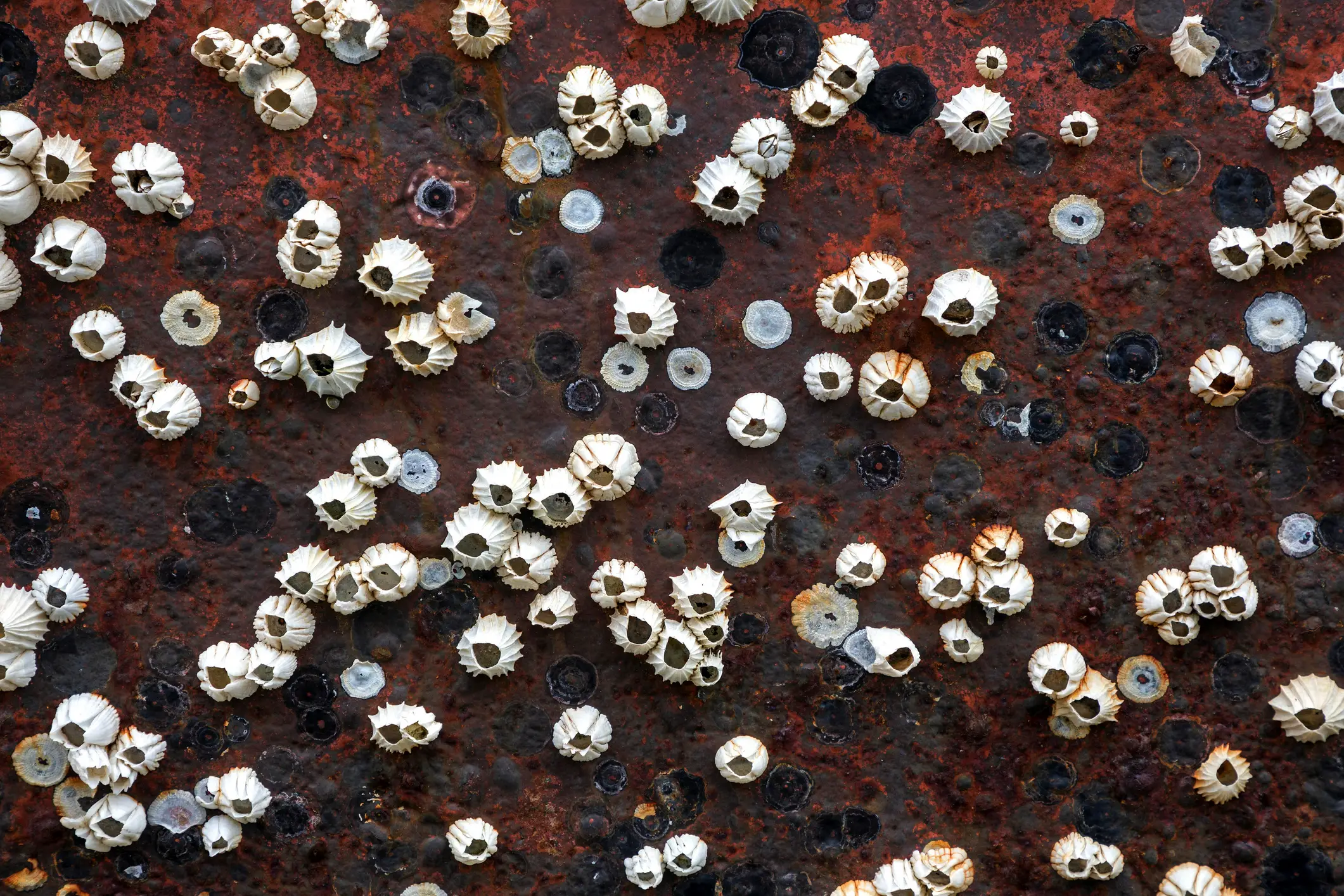
Anyhow, you came here to learn about penises and Professor Spear explained that the animal kingdom has a wide variety of examples, like the barnacle which has genitals 'up to eight times' its own body length, while the banana slug is packing one as long as itself which sometimes gets stuck on the way out so the slug's partner has to bite it off.
Yikes.
Cats have spines, bedbugs have dagger-like penises and ducks have ones shaped like a corkscrew.
This is why the professor said that, by comparison, human penises 'seem almost conservative' considering they don't have any of these extra features.
It's probably for the best we don't.
Instead, she noted that humans have lots of nerve endings for greater feeling in their ding-a-lings, which the professor says can 'respond to subtle variations in movement, pressure and partner interaction'.
Professor Spear suggested that this feature may have helped with 'enhancing mutual sexual engagement' and the way the human penis works could be a sign of 'a shift from competition to cooperation'.
"The human penis is not just a reproductive organ, but part of a broader behavioural system tied to trust, intimacy and long-term partnership," she wrote, so perhaps it's for the best that humans have something 'conservative' between their legs.
You can keep your bells, whistles, spines and corkscrews, thank you very much.
 Joe Harker