
Experts explain if you need collagen as woman gives before and after a year of taking supplement

When it comes to looking after our mind, bodies and souls, a lot of us don't know whether some methods are a help or a hinderance.
Jumping on viral TikTok trends such as the so-called 'internal shower' or following online advice about the likes of the 'natural Ozempic' doesn't always provide the payoff it claims, so it's much better to run alleged hacks by an expert.
The same goes for the collagen craze which currently has tons of people in a chokehold, so, let's see what the skincare specialists have to say about it.
For those who don't know, collagen is a protein our bodies naturally create which supports and strengthens our skin, nails, bones and tissues.
Advert
According to a beauty expert at Boots, it benefits us both internally and externally, but the most popular advantage of it is getting 'plumper, firmer and more youthful looking skin'.
"When our cells get damaged, collagen production is triggered inside the cells to help repair those wounds," it explains. "From as early as our twenties and as we age, collagen production in our bodies drops by about one percent each year, while regeneration processes also begin to slow down. You might notice fine lines or skin sagging that doesn’t bounce back like it used to."
Smoking, exposure to UV radiation and pollution also contribute to the decline of collagen production.
So, some people think that filling our bodies with collagen supplements would give a similar effect to plumbing into the fountain of youth.
A woman who tried this out for 12 months has claimed as much too, as she shared an update on the benefits she has seen since taking the supplements for a year.

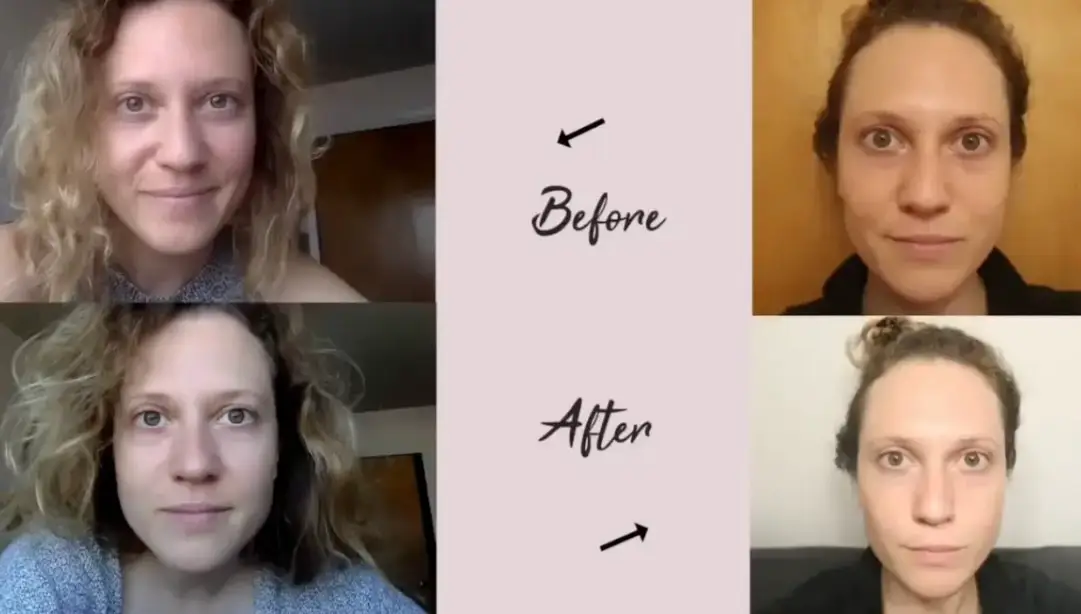
In a YouTube video shared in 2018, Sara Anderson shared before-and-after snaps as evidence of the improvements she has noticed, especially in her complexion.
"Sometimes if I didn't have any sort of foundation on, my face was just kind of blotchy and pinky - it just wasn't one colour and I think that since I started taking this, that has improved," she said.
Sara said her nails have also become 'a lot stronger', but confessed that collagen isn't necessarily the 'miracle worker' that people presume it is.
According to a new scientific review conducted by boffins from the University of Anglia Ruskin, there are some 'legitimate' positives of taking it as a supplement daily - but some 'bold claims' pedalled about its anti-ageing impact can't be backed up scientifically.
Professor Lee Smith, one of the lead investigators, explained: "Collagen is not a cure-all, but it does have credible benefits when used consistently over time, particularly for skin and osteoarthritis.
"Our findings show clear benefits in key areas of healthy ageing, while also dispelling some of the myths surrounding its use."
So, is it worth forking out for collagen supplements?
According to beauty experts at Boots, it won't necessarily do you any harm - but you'd probably be better off exploring different avenues first.
The advice explains: "Before you think about taking collagen supplements, it’s important to ensure that you’re doing as much as you can naturally to maintain collagen levels.
"This means eating a healthy diet including a mixture of nuts and seeds, a variety of colourful fruits and veggies, fish and grass-fed protein.
"Marine collagen, from wild-caught fish such as salmon is absorbed up to 1.5x more efficiently than bovine (cow) or porcine (pig) sources, so opt for fish when you can."
Still, the experts say that the supplements can 'supercharge your intake to replace lost collagen or encourage your body to produce more of it'.
It adds: "Collagen supplements will contain hydrolysed collagen peptides, which enter the bloodstream and stimulate collagen synthesis to provide the body what it needs to build its own collagen. When choosing a supplement, it’s important to ensure it contains glycine, proline, and hydroxyproline; these are the key amino acids that make collagen.
"It’s worth noting that when you ingest collagen, you can’t guarantee where it will go. Your body will use it where it needs it the most, so you might see slower, less visible results versus collagen-infused skincare."
 Olivia Burke