‘Zombie’ Covid remains are killing cells and still leaving millions with debilitating symptoms

While the world has thankfully moved on from the restrictions of the Coronavirus pandemic, many people continue to suffer from the disease.
Although the quick turnaround of the vaccine meant that we were able to return to normal sooner than anticipated, it came too late for the millions of people who either died or contracted a serious strain of the virus.
Thankfully, we no longer have daily press conferences that keep us updated on the number of cases here in the UK, but Covid is still very much present, with new strains causing concern during the colder months.
But it's those with long Covid who perhaps feel they have suffered most from the pandemic, as they continue to struggle with symptoms such as brain fog, fatigue and respiratory issues.
Advert

And now a new study from the University of California has established that 'zombie' Coronavirus fragments are hunting in packs to destroy our immune cells and drive inflammation in long Covid.
Bioengineer Gerard Wong explained: "These fragments target a specific kind of curvature on the membranes of cells. Cells that are spiky, that are star-shaped, or that have lots of tentacles end up getting preferentially suppressed."
Even if we think our body has destroyed the virus, whether it be naturally or with the help of the vaccine, these protein fragments can often remain, and they go some way towards explaining the cause of the debilitating consequences that millions of people with long Covid now face.
Wong added: "Viruses do so many things that we don't understand. We want to understand what all the leftover viral matter does to us, both during COVID and after. With these viral fragments, all of a sudden there's a whole new range of possibilities to consider."
This is also provides a potential explanation as to why anyone who is immunosuppressed might be more susceptible to these viral fragments than others, even if they are otherwise healthy, as the cells that detect illnesses and alert the body, alongside the cells that destroy illnesses, become suppressed.
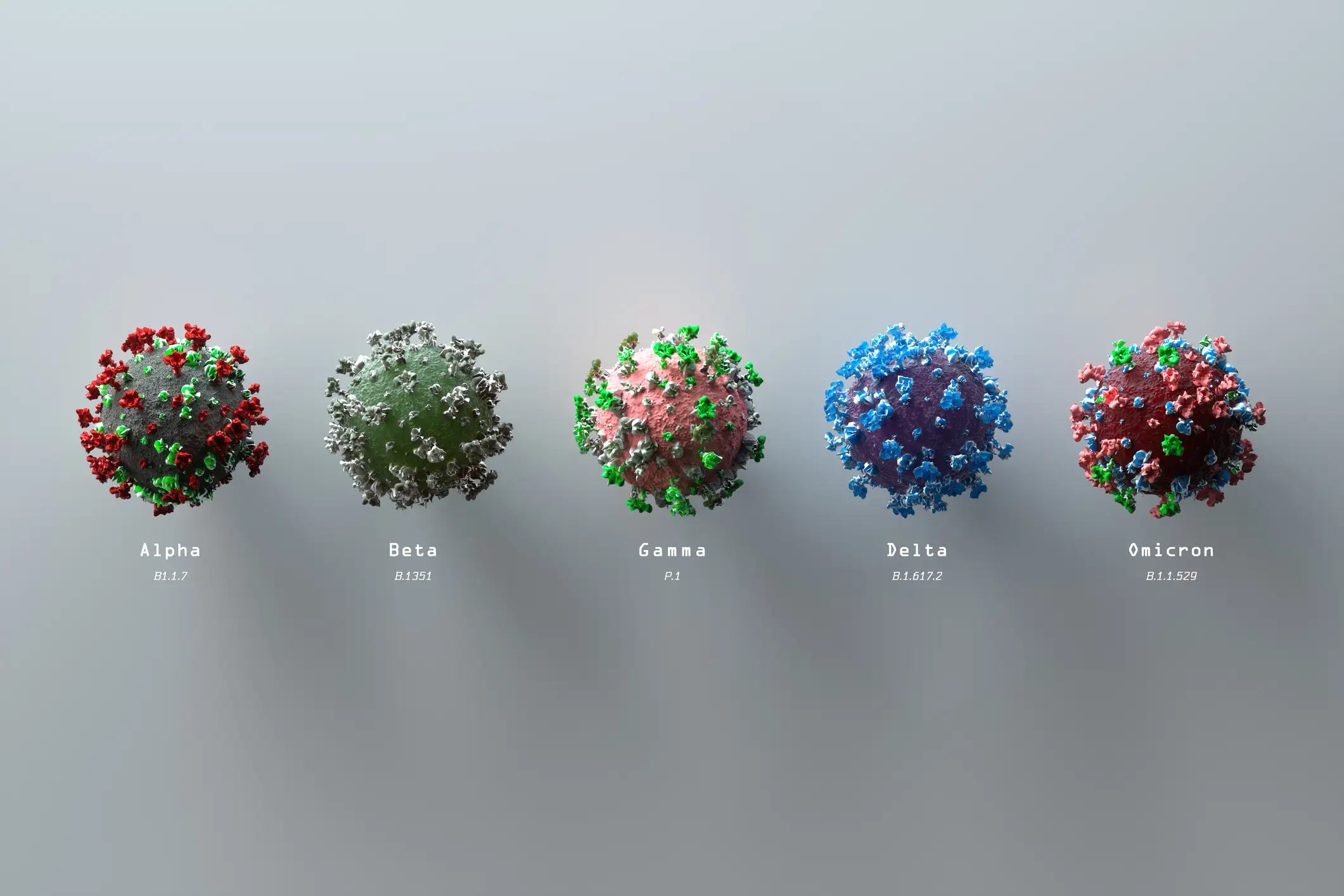
The study also identified that the Omicron strain of Covid, which was highly infectious but generally less life-threatening, also left more fragments in our bodies than previous strains.
Yue Zhang, bioengineer at China's Westlake University, added: "Omicron exhibits lots of mysterious behaviours.
"No one could really explain why it replicated as fast as the original strain but generally did not cause infections that were as serious.
"We found that pieces of the Omicron spike were much less able to kill these important immune cells – suggesting that a patient's immune system is not going to be as depleted."
Covid continues to be a killer around the world and a paediatrician has now urged more people to get vaccinated, as misinformation about the vaccines continues to spread, no doubt leading to increased cases and vulnerability.
Ravi Jhaveri, of Lurie Children's Hospital in Chicago, said: "One of the strongest reasons I give patients, families, and physicians about getting vaccinated: More vaccines should lead to fewer infections, which should lead to less long COVID."
Topics: Health, Science, Coronavirus
 James Moorhouse