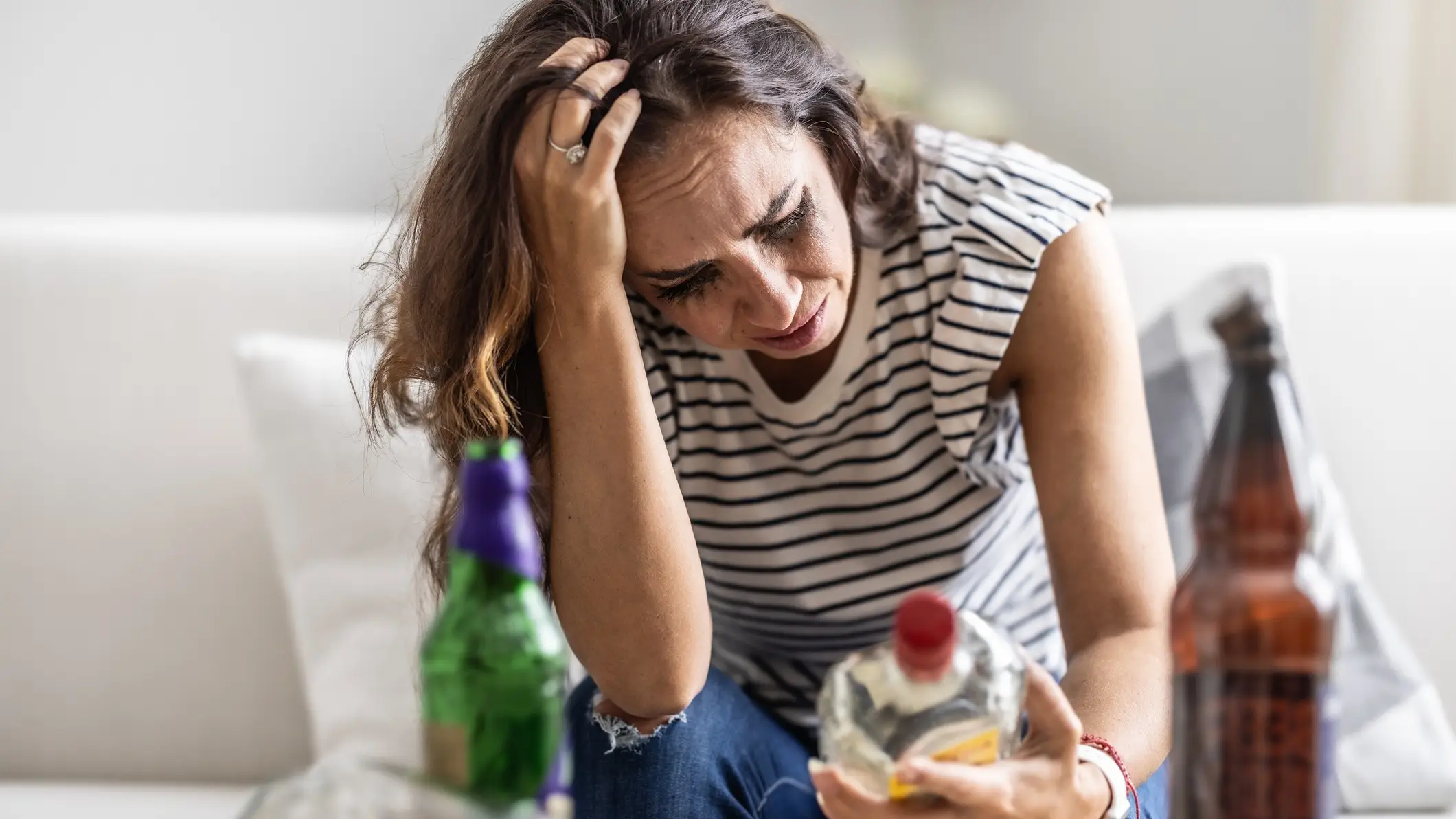
Hangovers really are worse in your 30s and here's why

Fellow millennials, you're not imagining things. Your hangovers really did get worse when you turned 30.
And for those of you in your 20s who still have youth on your side, enjoy it while you can, because a pharmacist has confirmed it's all downhill once you've completed your third decade.
Now the festive season is truly upon us, the chances are you'll be enjoying more of a tipple here and there, and you might be wondering why your head hurts more the next morning, or why it feels like it takes so much longer to recover from a night out these days.
“As you age, your liver processes alcohol more slowly, and your sleep becomes more fragile. Combined, these factors make hangovers feel significantly worse once you enter your 30s. But there’s even more going on behind the scenes," Ian Budd, prescribing pharmacist at Chemist4U, told LADbible.
Advert
Oh dear, here's where it gets a bit complicated. According to Budd, as you age, your body gradually produces fewer of the enzymes needed to break down acetaldehyde — the toxic byproduct of alcohol metabolism — so it sticks around longer, causing stronger headaches, nausea, and that overall ‘poisoned’ feeling.
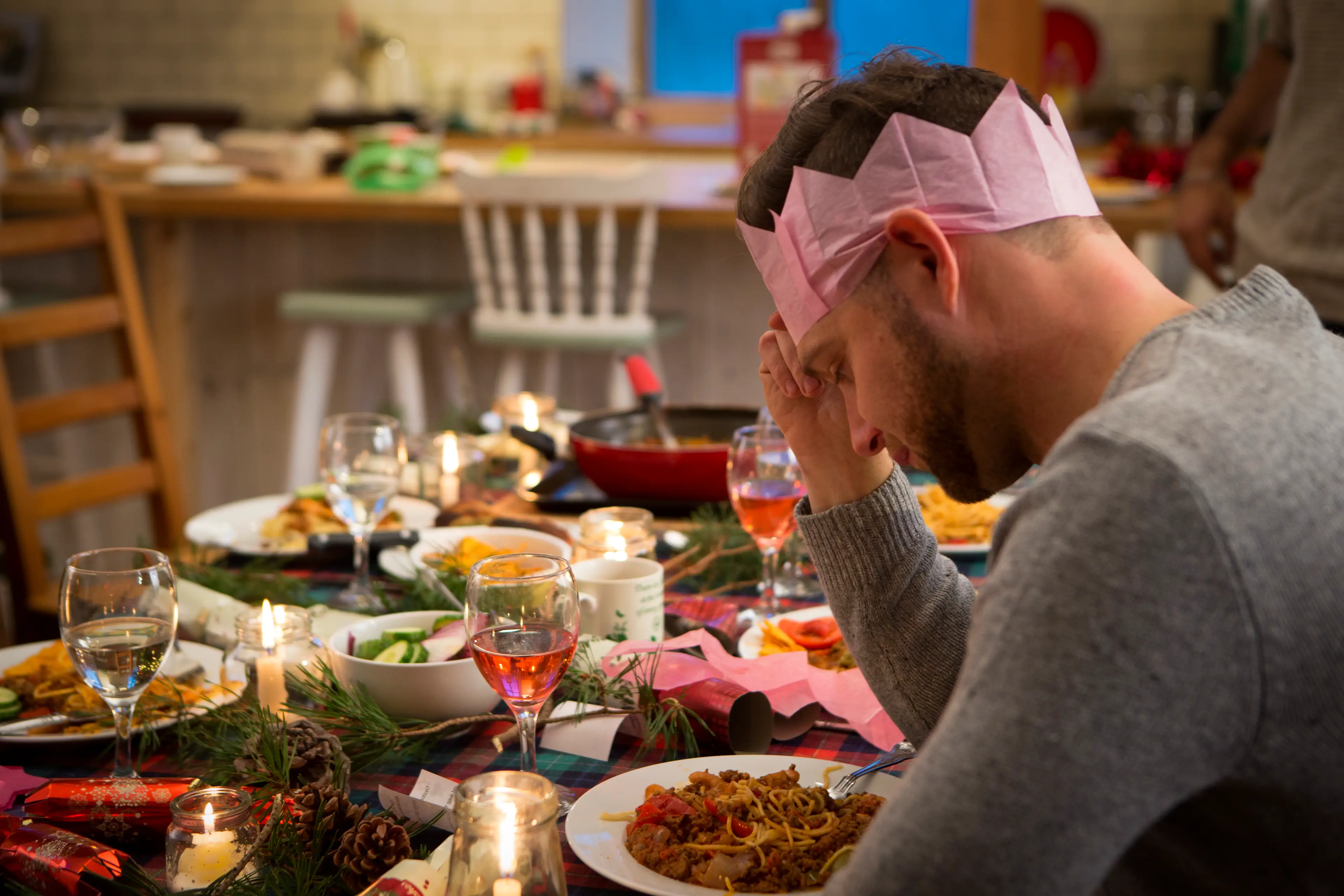
"You also tend to carry more daily stress, work responsibilities, and inconsistent sleep schedules than you did in your early 20s. Stress hormones like cortisol can make alcohol hit harder and make recovery slower. Add in the fact that many adults are chronically slightly dehydrated, and alcohol’s diuretic effect becomes even more problematic," he added.
And the good news just keeps on coming as it turns out our natural resilience also declines as we age. Isn't that fun? This is compounded by the fact that most of us have a bit more responsibility now we're in our 30s, whether that's kids, pets or work, which means we no longer have the luxury of lying in bed all day the following day to recover.
"Alcohol also disrupts REM sleep more severely as you age, so the rest you do get is typically lower quality. On top of all that, baseline inflammation increases with age, and alcohol adds even more," Budd continued.
"Put all that together and it’s not that you suddenly become ‘bad’ at drinking in your 30s. It’s just that your body, lifestyle, and recovery systems have changed. The hangovers don’t necessarily get worse; you just don’t bounce back as easily anymore."
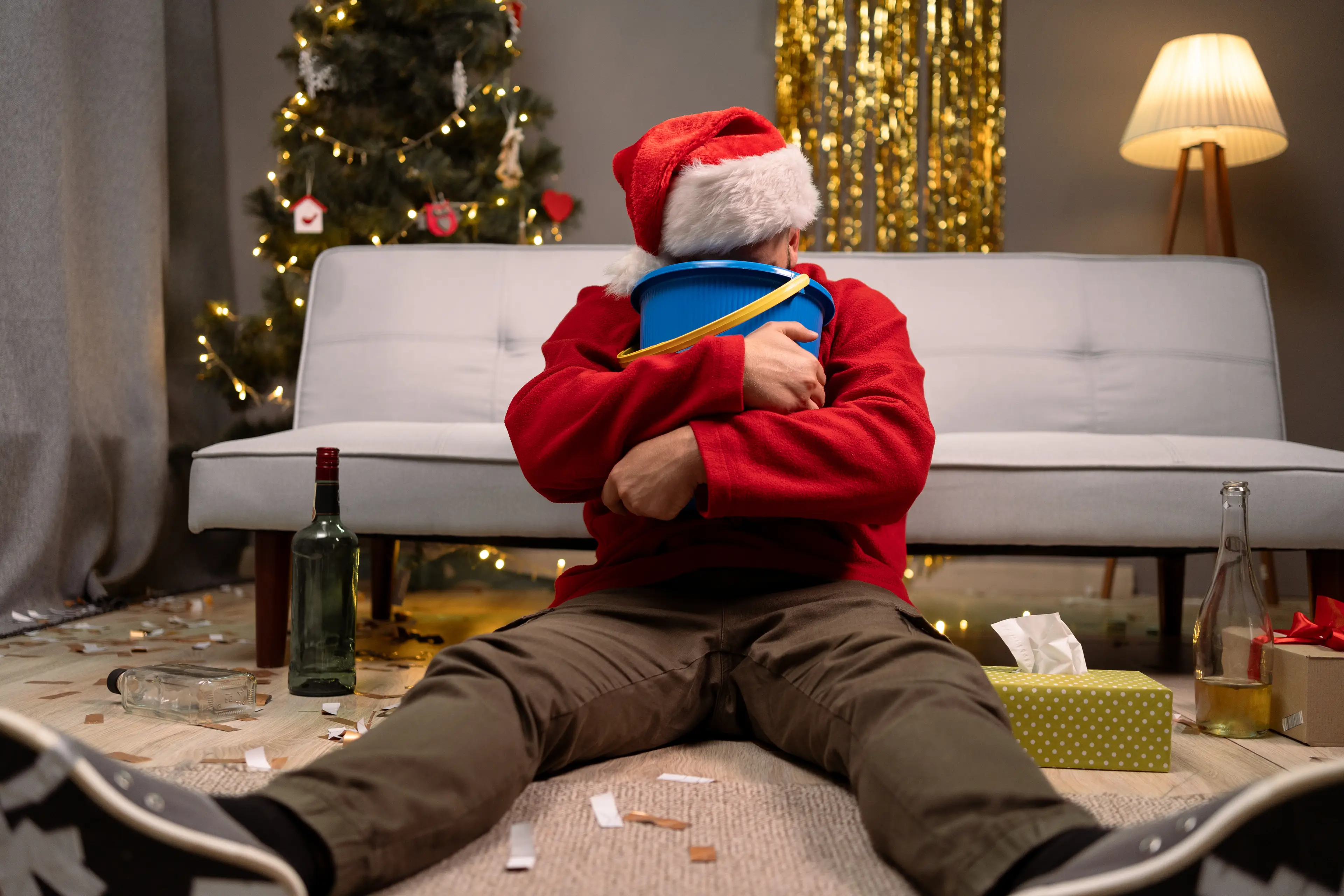
Luckily, the health expert is on hand to give us a tip or two on how to reduce those nasty hangovers this Christmas, starting with our drink of choice — but it's bad news if sugary cocktails are your thing.
“Sugar doesn’t directly cause hangovers, but it does worsen dehydration and cause sharp blood sugar changes that can intensify nausea, headaches, and fatigue," he said.
Instead, your best bet is to opt for clear spirits, as Budd explains: “Vodka and gin contain fewer congeners [than dark spirits], especially when they’re highly distilled. They’re often linked with milder hangovers, but only if they’re not mixed with sugary mixers like fruit juice."
And if you're partial to a paracetamol after your evening booze, he's got some words of advice on that, too.
He said: “Paracetamol right after heavy drinking isn’t ideal due to the liver strain it causes. Ibuprofen the next morning, taken with food, is usually the safer option for relieving headaches.”
So, there we have it. Check on your millennial friends this Christmas, we're probably not okay.
 Emma Rosemurgey