Two countries with anti-gay laws drawn for FIFA 'Pride Match' at World Cup

Plans to host a 'pride match' at the FIFA 2026 World Cup have been affected by the draw which has resulted in two countries with anti-LGBT laws being picked to play.
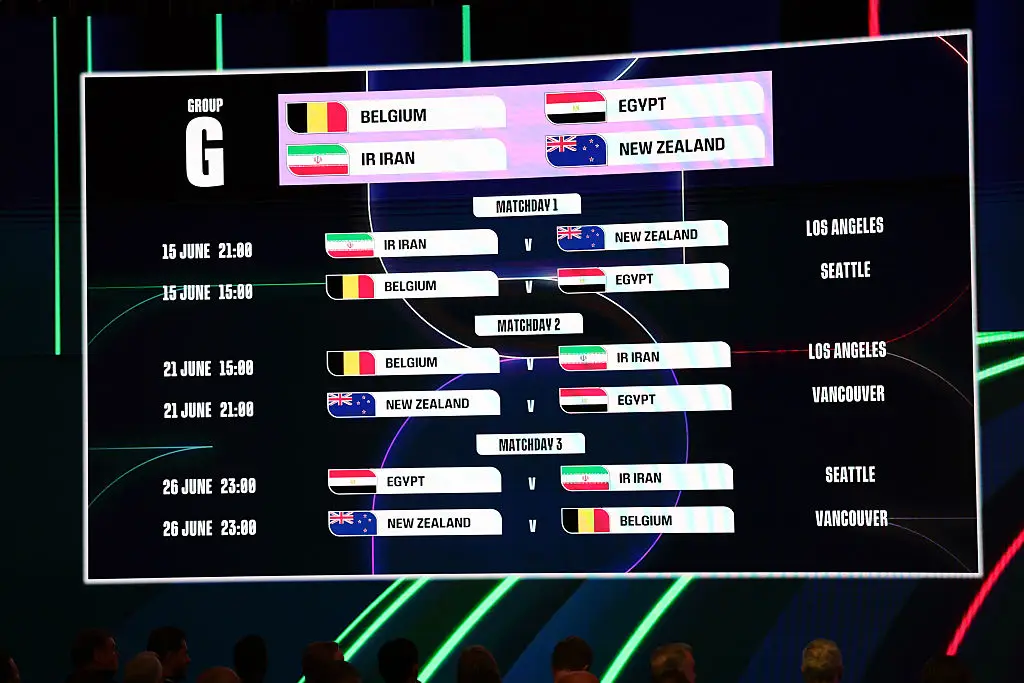
One of the host cities for the next World Cup is Seattle, and before the draw was announced, local organisers had decided that one of the games hosted at Lumen Field would be the 'pride match' to coincide with the City's Pride Weekend celebrations.
Unfortunately, due to the World Cup draw the two teams picked for the 26 June fixture next year are Egypt and Iran, both of which have laws punishing LGBTQ+ people.
The Seattle Pride Match Advisory Committee still intends to go ahead with celebrations, telling Outsports: "The Pride Match has been scheduled to celebrate and elevate Pride events in Seattle and across the country, and it was planned well in advance.
Advert
"Soccer has a unique power to unite people across borders, cultures, and beliefs. We are honoured to host a Pride Match and to celebrate Pride as part of a global football community.
"This match reflects our ongoing commitment to respect, dignity, and unity for all."
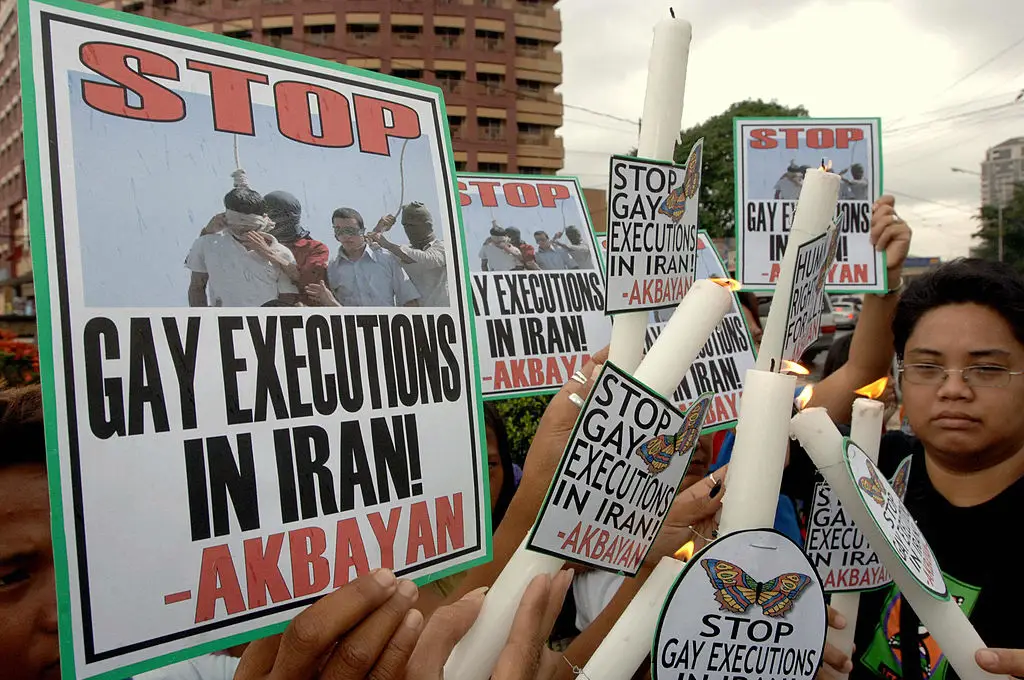
In Iran, being LGBTQ+ is a criminal offence and people can face flogging (severe beating with a whip or stick), imprisonment or even the death penalty for it.
People have been executed for being gay in Iran, while according to the Human Dignity Trust, others have been harassed and detained and advocates for gay rights in Iran have 'disappeared' and been 'murdered'.
It's not explicitly criminal to be gay in Egypt, but the Human Dignity Trust says people are still punished for the crimes of 'indecency’, ‘scandalous acts’, and ‘debauchery’.
They warned that police would use dating apps and social media in an attempt to entrap and arrest gay men.
Attempts to show support for the LGBTQ+ community at the World Cup have been scuppered before.
The previous tournament was held in the notoriously repressive Middle East nation of Qatar, and plans for World Cup captains to wear a 'One Love' armband with rainbow patterns on it were stopped after FIFA said it would 'impose sanctions' on players wearing it.
England captain Harry Kane said he was 'disappointed' that he wasn't able to wear the armband as when he turned up at the stadium he was instructed to wear the official FIFA one, and Qatar claimed the armband showing support sent a 'very divisive message'.
Players who wore the armband were threatened with being given a yellow card, meaning if they wore it a second time they'd be sent off and miss the next game, while plenty of spectators were stopped by Qatari officials for wearing clothing with rainbow patterns.
Rainbow shirts, rainbow hats and the flag of a Brazilian state which had a rainbow on it were all items that resulted in people being stopped when they tried to enter the stadium.
 Joe Harker