Jack the Ripper's 'true identity' as experts uncover vital clue to unmask serial killer

A pair of historians believe that the location of Jack the Ripper's first murder could hold the key to unmasking the serial killer.
Nearly 140 years on from the start of his killing spree, his identity still remains a mystery - but Tom Holland and Dominic Sandbrook reckon they might have something of a lead.
The renowned historians and hosts of The Rest Is History podcast have a hunch that the unidentified killer's day job could provide a crucial clue.
Holland and Sandbrook believe that Jack the Ripper's potential place of employment could explain his 'escalating sense of frenzy', as well as helping to unmask him.
What did Jack the Ripper do?
But first, let's have a quick refresh; throughout the 19th century, the serial killer stalked the streets of Whitechapel and claimed the lives of at least five women.
Advert
Mary Ann Nichols, 43, Annie Chapman, 47, Elizabeth Stride, 44, Catherine Eddowes, 46, and Mary Jane Kelly, 25, were each brutally murdered and mutilated between 31 August and 9 November, 1888.
The victims were largely targeted in the dead of night or in the early hours of the morning - and the historians suspect the Ripper may have pounced on them during his commute to work.
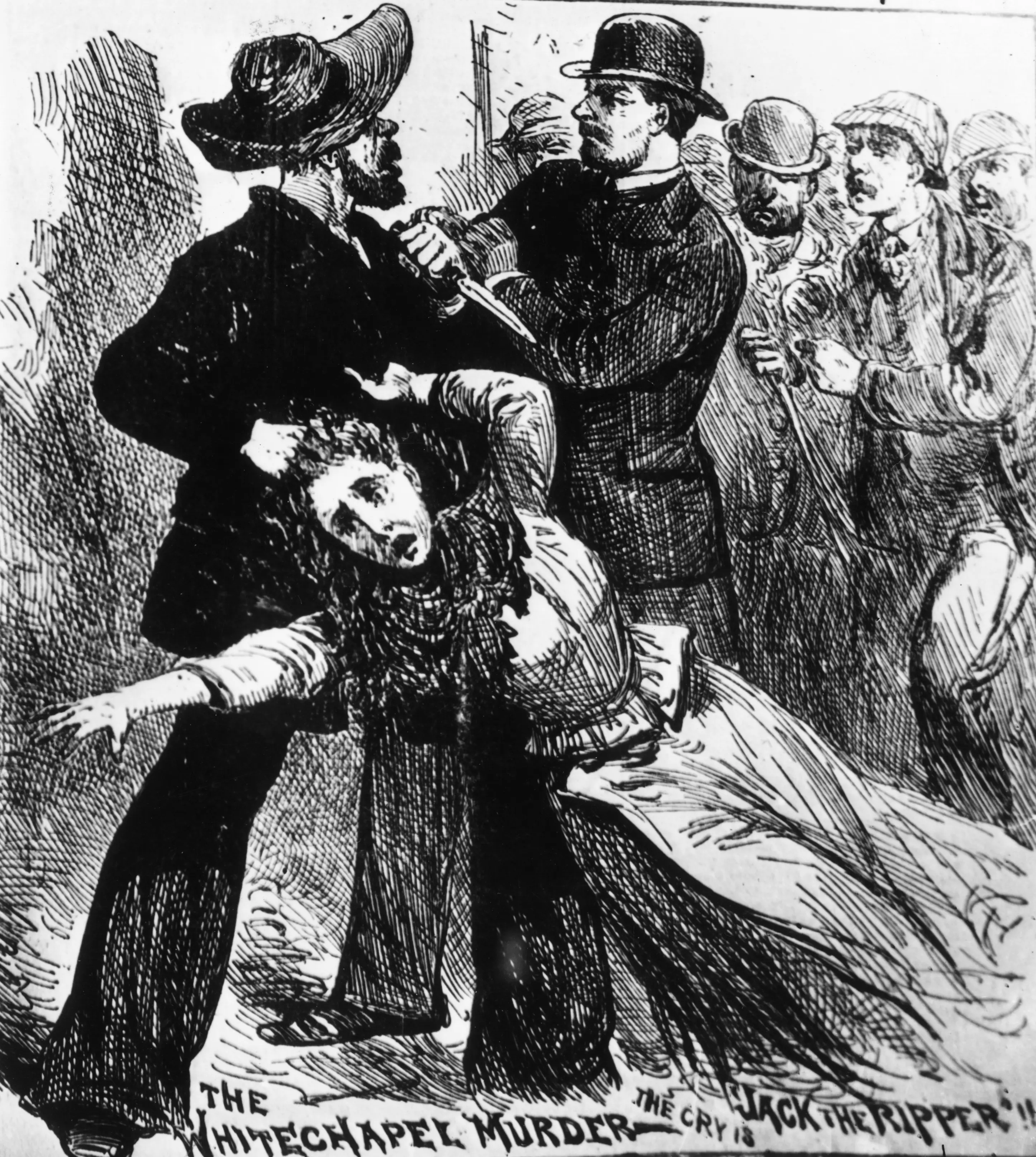
What experts claim to be the 'vital clue' in identifying Jack the Ripper
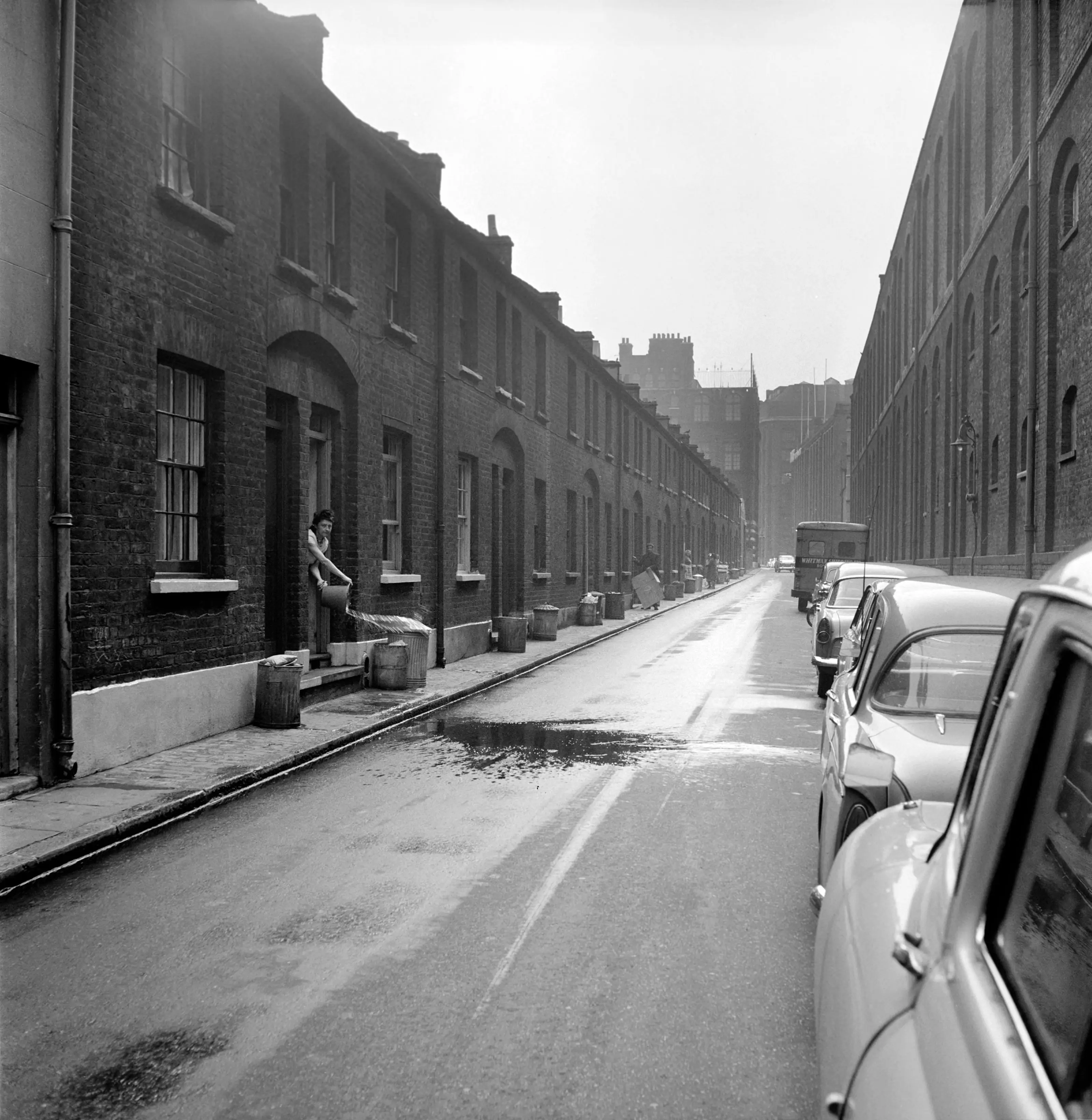
According to Holland, the area where Mary Ann Nichols' body was discovered could point investigators in the right direction. The 43-year-old, who was a sex worker, is believed to be the Ripper's first victim.
The historian told The Rest Is History listeners, as per GB News: "Nichols was murdered next to the largest knacker’s yard in the East End, which operates all through the night.
"If you’re a knackerman, a slaughterman or a butcher, you’ve got knives, anatomical expertise and a reason to have blood all over you."
For those who don't know, a knackerman is a person who collects and disposes of dead or injured farm animals.
Holland went on to suggest that these careers would give the Ripper a decent alibi, as well as potentially providing an explanation for the gruesomeness of his murders.
Experts have previously told how the serial killer would inflict deep slash wounds to his victims throats, inflict excessive mutilation to their abdomens and genital-areas, removed their internal organs and disfigured their faces.
"People say about serial killers that they show an interest in torturing and killing animals from childhood," Holland continued.
"If you do that, then working in a knackers’ yard, a slaughterhouse or a butcher's would be an obvious job. What you get with the ripper’s murders is an escalating sense of frenzy.
"So it would make sense, it seems to me, that you go from slicing up horses to increasingly horrific mutilations of women."
Was Jack the Ripper's identity ever discovered?
Author Russell Edwards previously claimed that he might have finally cracked the case after snapping up evidence from the murder of the Ripper's fourth victim, Catherine Eddowes, at an auction in 2007.
At the scene, a shawl was found and one of the police officers took it home with them - and after getting his hands on it, Edwards put it through DNA testing, which he claimed showed that blood and semen stains were still on it.
According to Edwards, the blood matched a distant relative of Eddowes, who was one of the most prominent suspects - Aaron Kosminski.
The Polish barber, who moved to the UK in the 1880s, has had the finger pointed at him a few times, but experts have cast doubt on Edwards' claims.
Critics published an 'expression of concern' after more information was released in 2019, while others warned that the shawl may not even be legitimately from the crime scene, or that it could have been contaminated.
Let's hope that Holland and Sandbrook have some more answers for us in the next instalment of their podcast then, eh?
Topics: History, Podcast, Crime, True Crime, Jack the Ripper
 Olivia Burke