Scientists might have just found a billion years of missing history

We're all guilty of losing things from time to time but one of the great scientific mysteries is where a billion years of history disappeared to.
A new scientific study might have just given us an answer to that baffling question, which relates to the physical history found in rock formations, particularly over in the US.
Perhaps one of the greatest joys of planet Earth is that we will never truly comprehend how everything came to be, even when we have historians constantly searching and researching nearly everything that preceded us.
Only recently, they discovered an Ancient Egyptian tool that completely reshapes what we know about how they worked, while archaeologists were also able to make a very big discovery regarding the Roman civilisation.
Advert
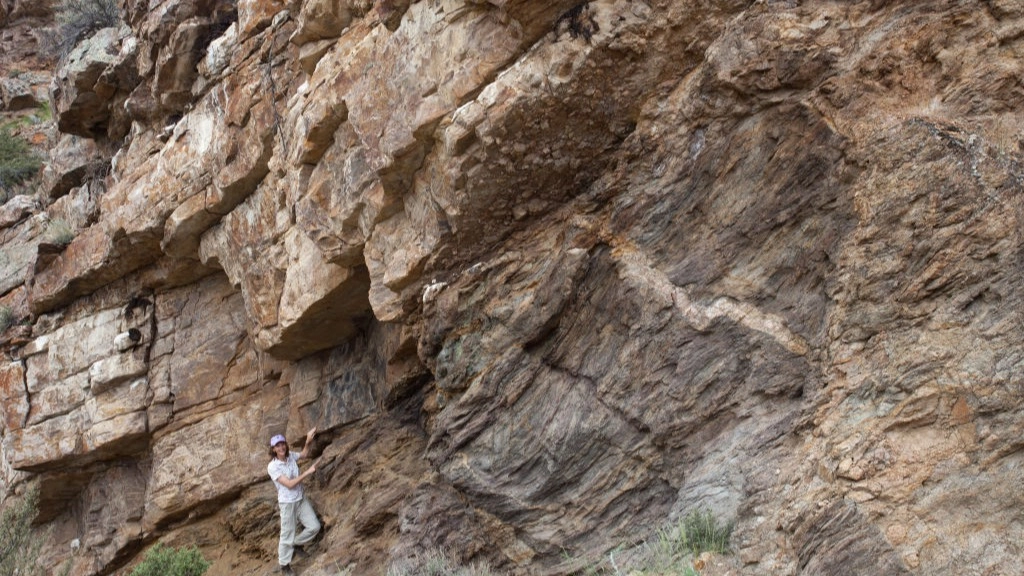
But it is the absence rather than the presence that has intrigued historians and geologists across the world when it comes to the fact that one billion years of rock are missing, a mystery which has become known as the “Great Unconformity."
We've been able to make huge discoveries about the history of our home planet thanks to the geological layers that lie below the Earth's surface, but the layer between Cambrian and Precambrian rocks, which represents roughly a billion years of missing Earth history, has long been missing.
Geologists have previously suggested that something known as 'Snowball Earth' might have been to blame, with that 700 million year long period eroded away by the prolonged intense cold that existed across the globe during that time.
The formation of Rodinia, a super continent that came about around one billion years ago, has also been touted as a potential suspect, as it forced older rocks up and exposed them to weathering.
However, an international team of scientists now says that it has made a startling discovery after analysing five sites in North China where the Great Unconformity is exposed.
Their results show that the rock layer's destruction actually predates both of those events.
In the journal Proceedings of the National Academy of Sciences (PNAS), the scientists wrote:“The Great Unconformity…represents a globally important interval of continental exposure and erosion that is notable also for the first appearance of all major animal phyla on Earth.

“The most pronounced erosion evident in both the thermochronologic record and geochemical indicators of continental weathering is shown to correspond with development of Earth’s first true supercontinent.”
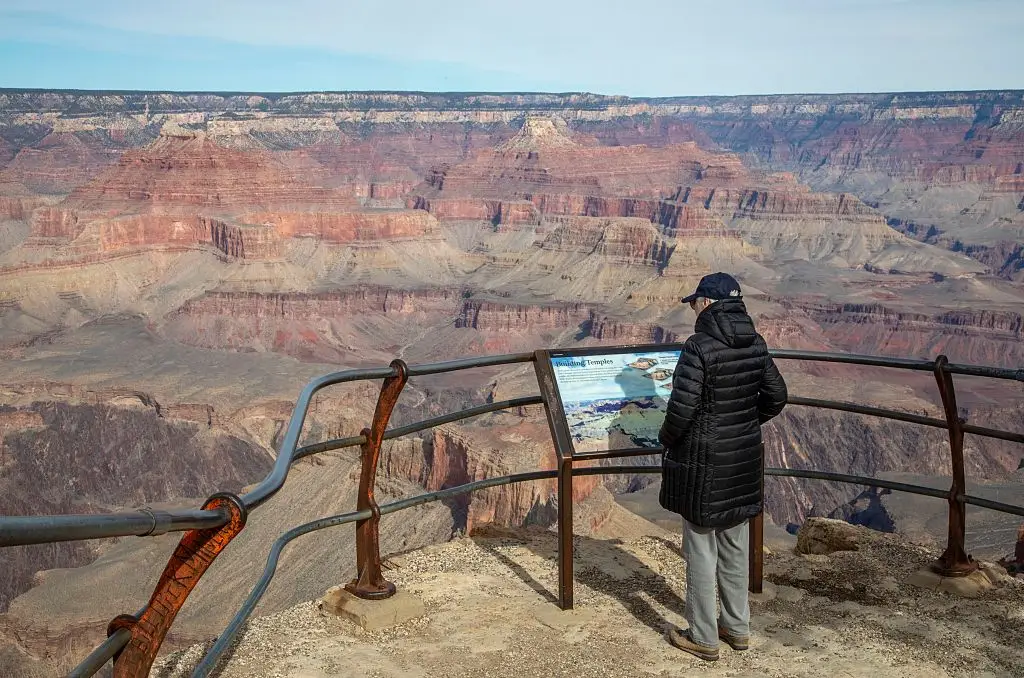
The idea of 'The Great Unconformity', which would be a fantastic name for a magician, was first observed by John Wesley Powell when he visited the Grand Canyon all the way back in 1869.
And nearly 200 years on, this new timeline seems to complicate things even further, as the team of scientists have theorised that it actually occurred in a period of Earth history around 1.8 to 0.8 million years ago.
Hopefully it turns up someday, maybe if we check all the Earth's coat pockets.
 James Moorhouse