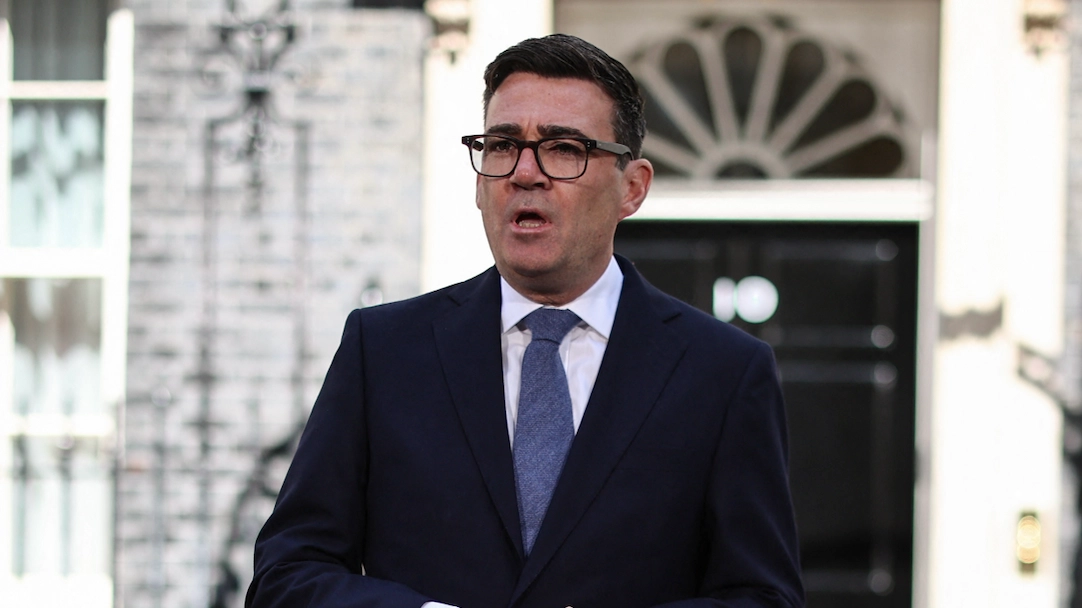
Andy Burnham set to announce new cost of living measures as he pledges to end rough sleeping

Andy Burnham is now officially the prime minister of the UK and he was swept into office with the idea that he'd do things a little bit differently to his predecessor, and he's said tackling rough sleeping is going to be his first mission.
It's only a couple of years since Keir Starmer was voted into office at the last general election and today he's officially made way for a man who wasn't even an MP at the time of that vote, how time flies.
Today it's a case of same party, new leader, and there'll be plenty of eyes on Burnham to see what he plans to do differently to Starmer that might win back some support for the government.
In his first speech outside Downing Street as prime minister, Burnham said: "Britain needs to show the world we can regain our stability once again. That is our challenge."
Advert
Declaring that his government would 'be better' than what had come before, he said there would be 'the biggest changes in the last 40 years' with 'a new political model and a new economic model'.
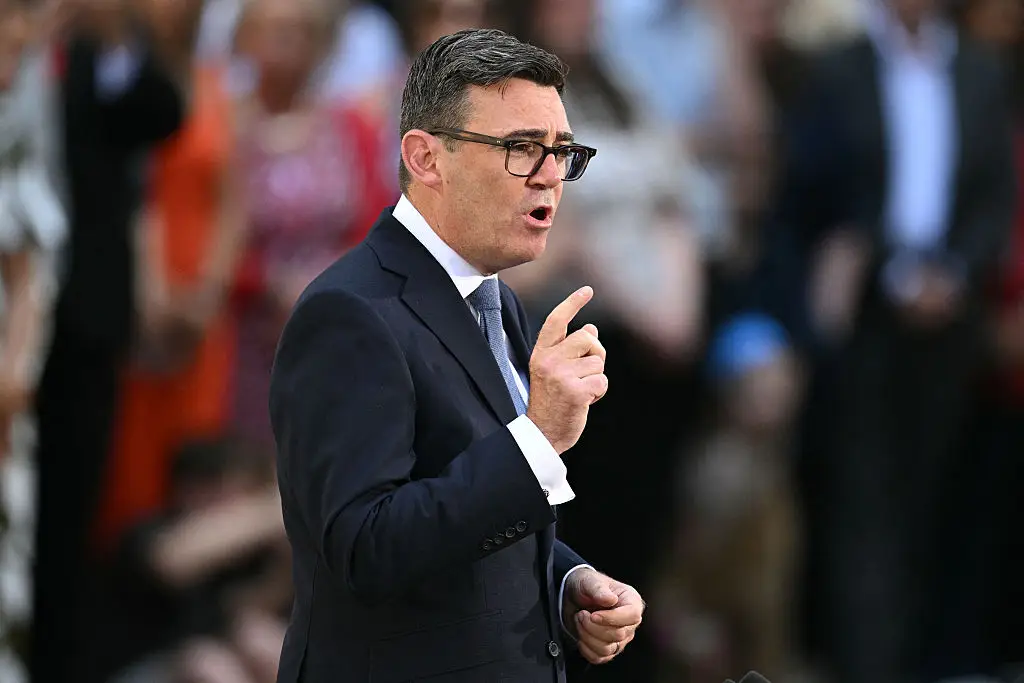
"Later this year I will bring forward a new plan for Britain, a 10 year plan, laying out a path from where we are now to where I believe we all want Britain to be," he declared as he stood outside Downing Street.
"But I can do something to give people some breathing space now, some help with the cost of living. I will set out some of those measures starting tomorrow, including how we pay for them.
"We will help more young people into work by changing the education system and giving them more support, more mental health support, and we will build more council homes.
"That is the fair and sustainable way to bring the welfare bill down, to meet our fiscal rules, and to honour our commitments on defence to our international partners.
"We will help people to live well, building a more preventative state, investing in people’s success rather than paying for failure. And that work starts now.
"I will soon go through that door behind me and issue my first instruction to end rough sleeping in our country."
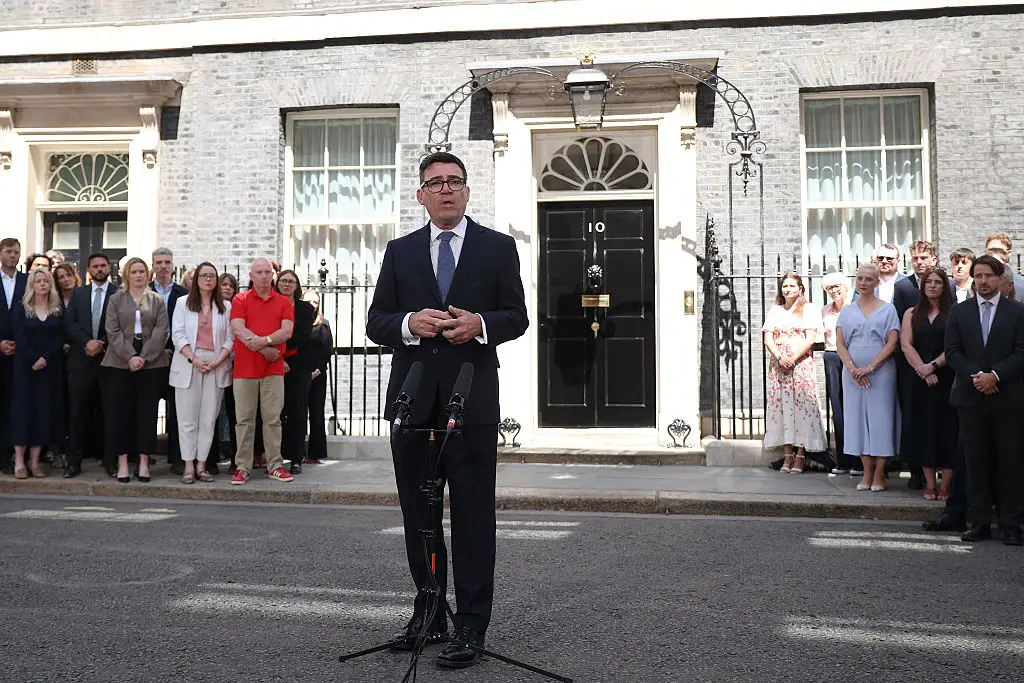
Promising to make his government 'a circuit breaker for Britain', Burnham criticised the economic legacy the UK had inherited from the 1980s, the years Margaret Thatcher was in power.
He said: "In the 1980s, Britain took some wrong turns. Political power was centralised, economic power was privatised, large parts of the country were deindustrialised, and they still haven’t recovered.
"Many feel as though they’re still in decline, and they don’t have the ability to turn things around.
"And that’s why we will change politics, to make it more collaborative, more about problem-solving than point-scoring. And we will take power out of here and carry it into every postcode in the land so that they can do more.
"And in doing more, we will build a new economy, where we put life’s essentials back under stronger public control to make them affordable to you again, reindustrialising Britain and using public procurement to back British industry."
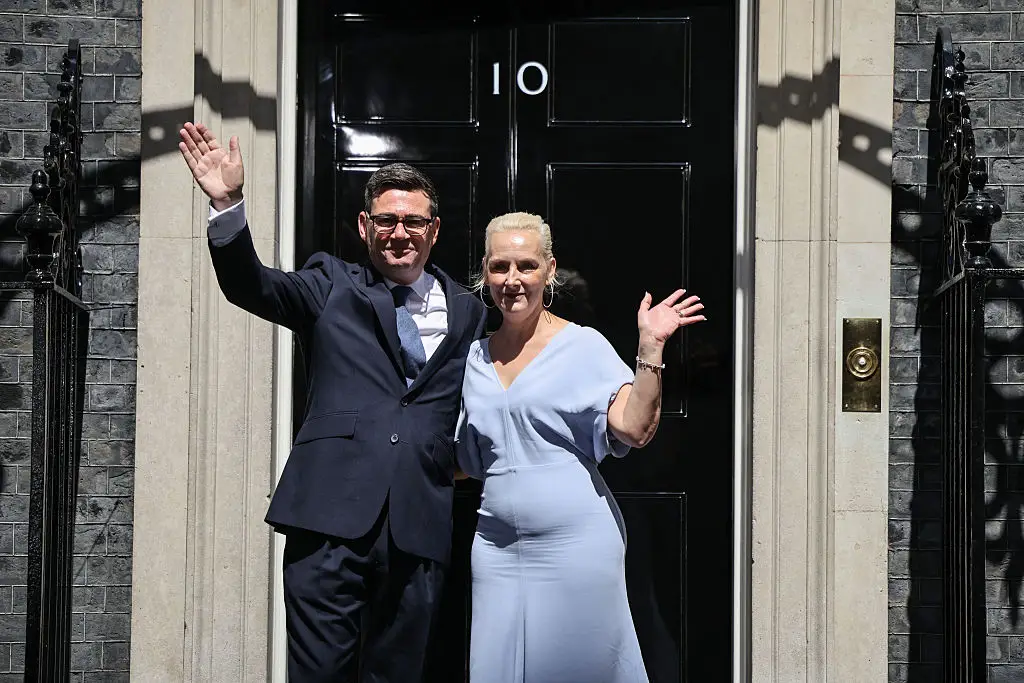
Speculation has been rife over exactly what Burnham might do to make a statement once in office.
One of the possible things he's hinted at is changing the amount of pay Brits get to keep before they pay taxes, something known as the 'personal allowance'.
At the moment Brits are allowed to earn £12,570 before they start paying tax, and before he became prime minister Burnham told The Times it was an issue 'lodged in his mind' after his by-election campaign for the Makerfield seat.
"That recurring complaint - a cry for help from the forgotten losers of the tax system - is lodged in my mind," the incoming prime minister had said.
"They’re just characterising me as a tax raiser. Well, again, it’s never that simplistic, is it?"
If he changes this it'll mean the government doesn't get as much money in taxes since the amount people can earn before they start paying would increase, but it means that Brits could keep more of their pay packet before they start paying tax.
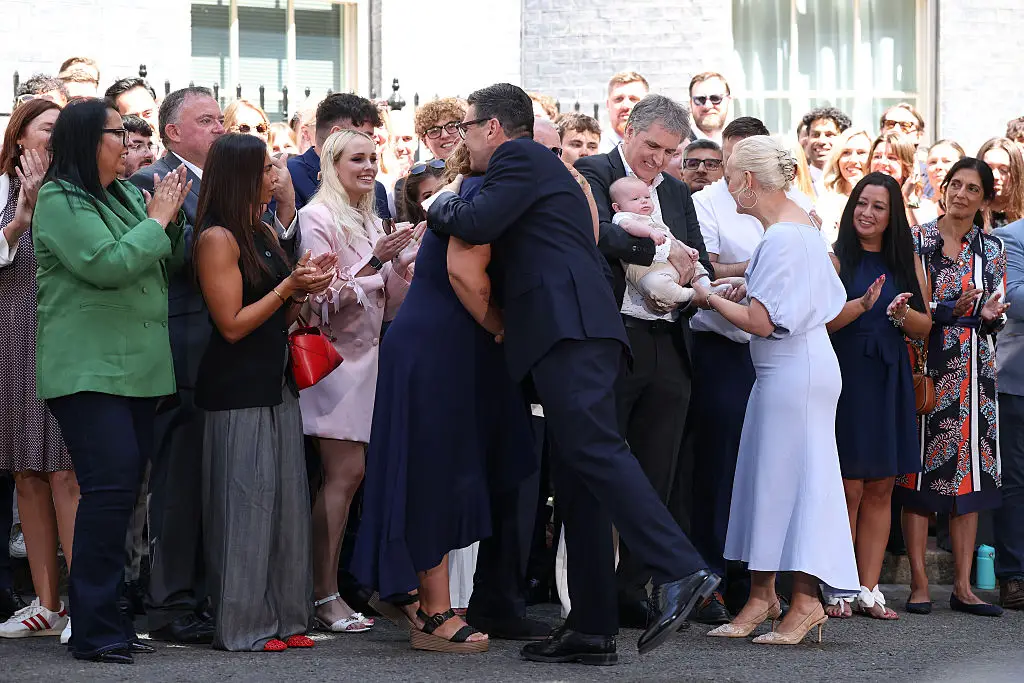
Until now he's kept the details of exactly what he'll do in office under wraps, and he told The Times that the solutions to the UK's problems 'can’t be done overnight', but saying he wanted to 'show people where we’re going, and then the steps towards it'.
That was one of the regular criticisms of his predecessor, Starmer was criticised often for not putting his argument across or communicating to people what he was doing, leaving them in the dark about what his long-term plan was.
Burnham has promised a '10-year plan for the country' to address some of the fundamental issues facing the UK, it's a similar diagnosis to the one Starmer gave but isn't around to deliver on.
To succeed in his aim he'll need to avoid falling into the same traps as Starmer and stay on as leader, then stick around long enough to win a general election in a few years time.
The UK hasn't done well with prime ministers lasting long in office for a while now, Burnham is the UK's seventh PM in just over 10 years.
The job starts now.
Topics: UK News, Politics, Cost of Living
 Joe Harker