
What government announcement means for your cash ISA

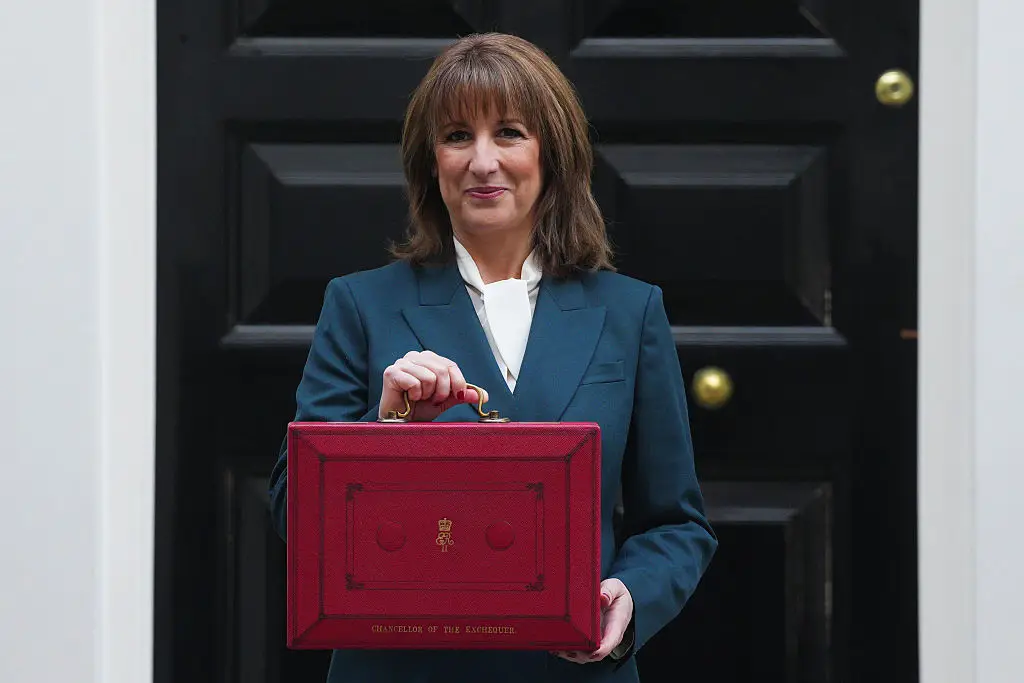
Chancellor Rachel Reeves announced the UK Autumn Budget today (26 November), with several changes coming into effect over the next few years.
While an increase to the minimum wage was announced, Reeves also revealed reforms to cash ISAs (Individual Savings Accounts), plans to scrap the two-child benefit cap, and more in one of the more anticipated Autumn Budgets in recent years.
Personal tax thresholds were also revealed to be frozen for an additional three years, meaning that they will remain the same until at least 2030-31.
But what do the reforms to cash ISAs actually entail?
Advert
According to AJ Bell, 22.3 million adults have an ISA in the UK, with 14.4 million solely having a cash ISA, while 3.6 million hold both cash and stocks and shares ISAs.
Meanwhile, official government statistics show that subscriptions grew from 12.4 million in 2023-2024 to 15 million, with a strong focus on cash ISAs, stocks and shares, and Lifetime ISAs.
What is a cash ISA?
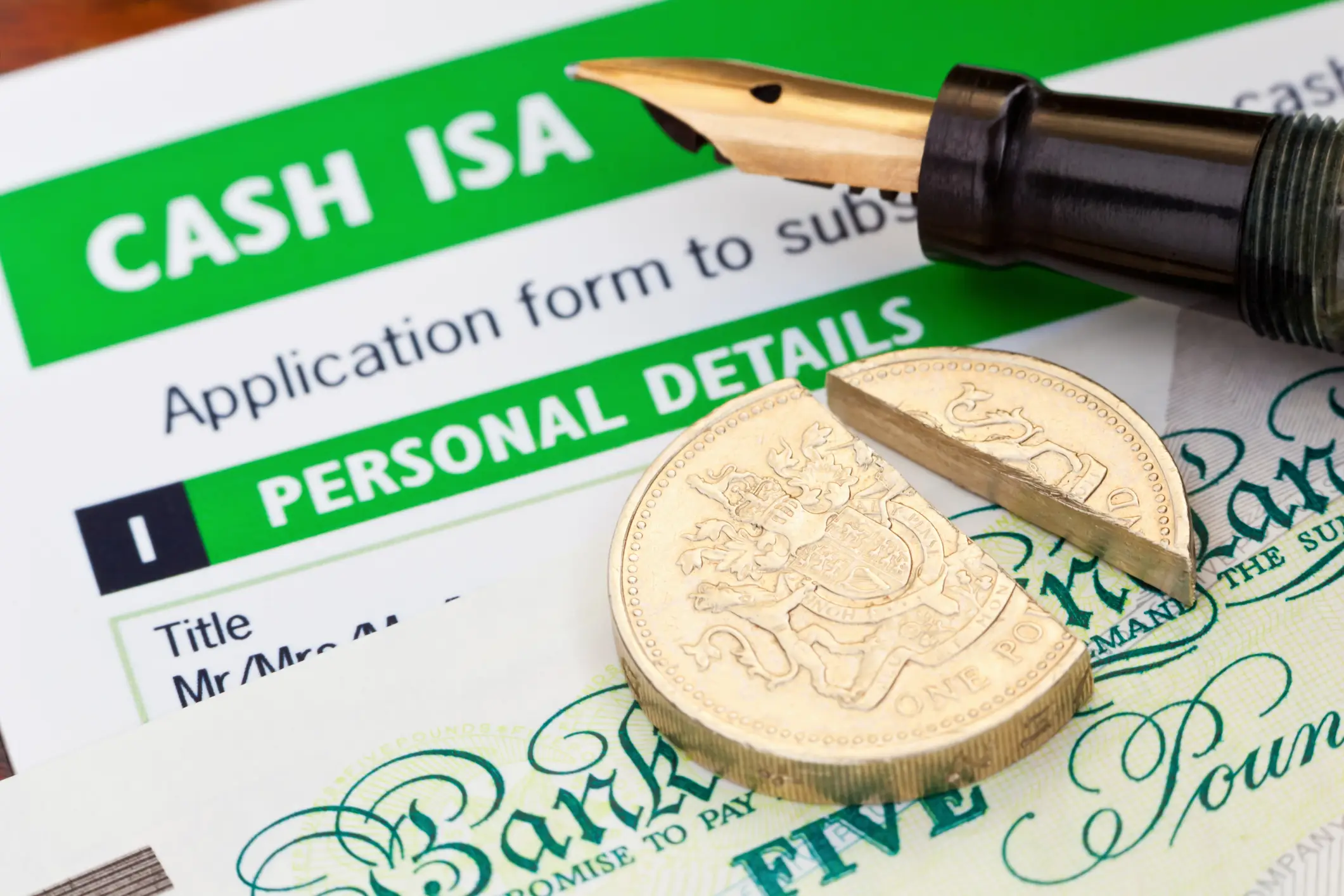
An ISA is a savings and investment product which allows you to gain tax-free earnings.
You were previously permitted to pay a total of £20,000 into an ISA every tax year, regardless of the type, with the likes of cash, stocks and shares and lifetime ISAs available.
Each ISA holder chooses which bank or building society they want to open the account with, as a range of access and fixed/variable rates are available.
What is changing with cash ISAs?
Chancellor Rachel Reeves announced reforms to the ISA system, which will see the full £20,000 yearly allowance be reduced to £12,000 for cash ISA holders in particular.
If you wish to use the full amount, £8,000 of this allowance will now be designated solely for investment purposes, meaning it must be invested in stocks and shares, while £12,000 will return untaxed earnings.
You could also just keep the extra £8k in your regular savings account, but interest could be taxed.
Those over the age of 65 will retain a £20,000 cash allowance, though, while stocks and shares ISA holders will also have an annual limit of £20,000 when it comes to earning untaxed income.
These changes are set to come into effect by April 2027.
What do experts think?
Rajan Lakhani, a personal finance expert at smart money app Plum, said that you would be safe for the next year and a half if you've put more than £12,000 in a cash ISA this tax year.
"If you hold multiple ISAs and end up over-contributing across them, you will need to contact your provider(s) and HM Revenue & Customs (HMRC) to correct the error, either by withdrawing the excess amount or having it removed by the providers," the expert explained.
If not, you risk being sent a tax charge by HMRC for the excess amount.
Rajan continued: "The excess money would lose its tax free status and you will be taxed on any interest that additional £8,000 earns when it sits in a standard savings account. However, the exact amount depends on your normal income tax rate.
"You may not pay any tax on your interest as basic rate tax payers will be able to earn up to £1,000 of interest each tax year and not have to pay tax on it, under Personal Savings Allowance rules. Higher rate taxpayers have an allowance of £500."
The expert pointed out that if you're looking to invest over £12,000, you can choose a Lifetime ISA to save for your first home or retirement, or put the remaining sum into a Stocks and Shares ISA, which also pays interest.

Martin Lewis has since sent a warning out on cash ISAs, before taking to his Money Saving Expert website to share more detailed thoughts on the move which he believes will 'p*ss millions of people off'.
"While I would've preferred a carrot, not stick approach – this isn't as bad as it could've been, £12,000 per year is still a reasonable whack for many people," he explained.
Lewis said that their aim was 'to encourage young people to invest rather than save' as it outperforms saving on average.
"When I met the Chancellor on this a few weeks ago, I pointed out that a blanket cut to the limit would be perverse; to cut cash ISA limits for older people to encourage younger people to invest wouldn't work," the finance expert said, adding that the 'carve out' for those 65 and over 'makes total sense'.
Topics: Cost of Living, UK News, Politics, Money
 Joshua Nair