Everything that’s about to hit you in the pocket as UK government announces autumn budget

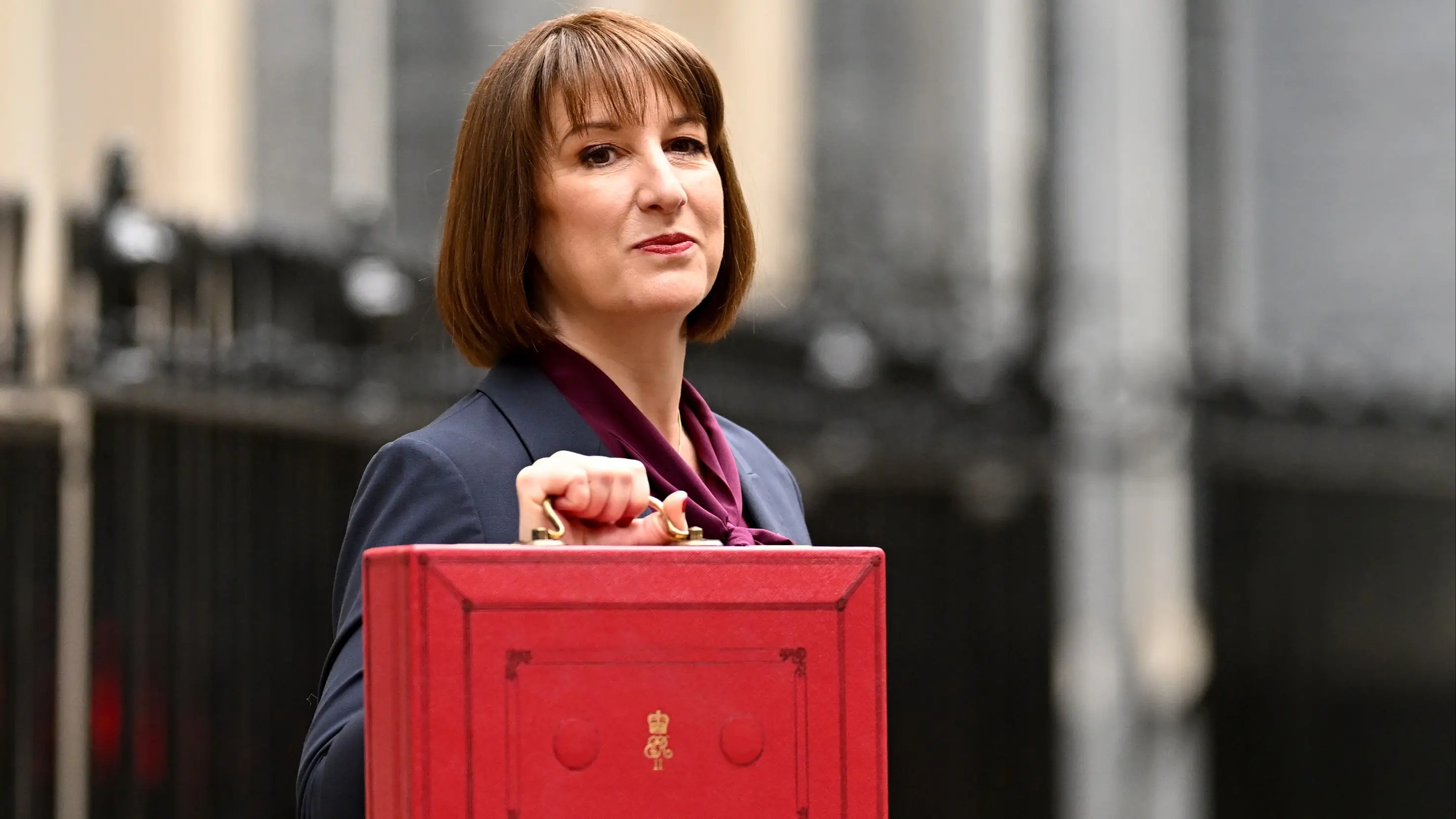
A number of things are set to get more expensive following Chancellor Rachel Reeves' Budget announcement this afternoon (26 November).
It was previously announced that the minimum wage will see an increase in April 2026, from £12.21 to £12.71 an hour for workers over the age of 21, while those between 18 and 20 will see their rates go from £10 to £10.85, while 16 to 17-year-olds will experience an increase from £7.55 to £8.
But apart from this welcome change, it was reported that the Chancellor would be making a number of changes, including ISAs, the two-child benefit cap, and pension contributions.
Today, the Chancellor confirmed that personal tax thresholds would be frozen for an additional three years, while also increasing its forecast for the country's growth this year, among other huge changes.
Advert
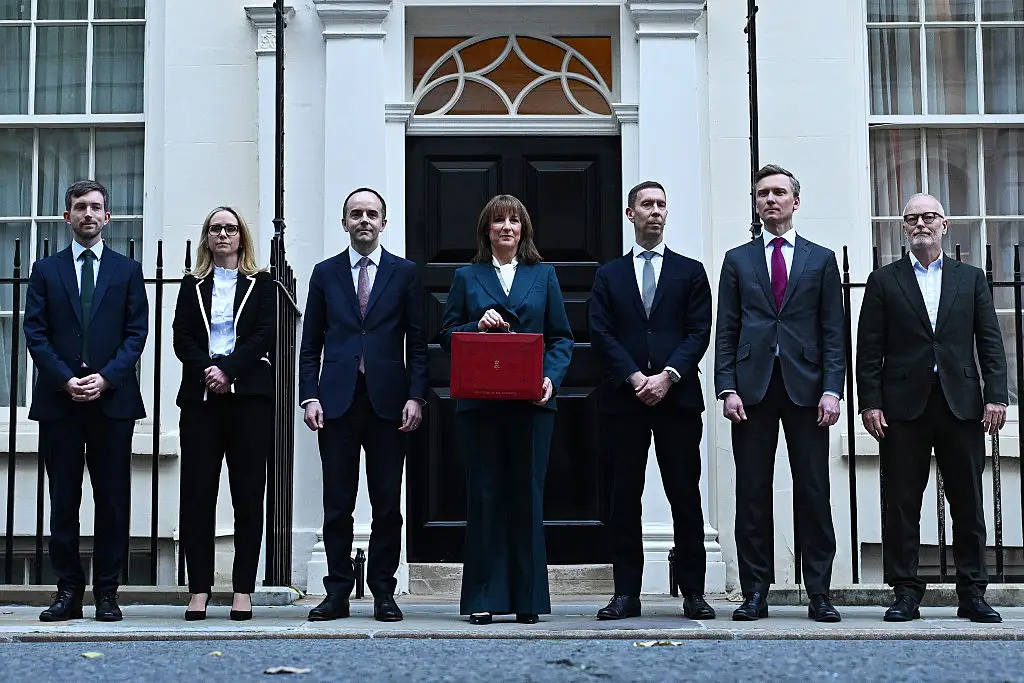
While Reeves acknowledged the anger from the public over the state of the economy, here are all the changes we can expect in the next year from the British government.
The government's independent spending watchdog, the Office for Budget Responsibility, published its economic and fiscal document prior to the Chancellor making her announcement, unlike previous years where the document would be made public afterwards.
They have since apologised and launched an investigation as it was published early in a 'technical error'.
The Chancellor has called the unprecedented early publication of the document as a 'deeply disappointing and a serious error on their part'.
Personal tax thresholds frozen
Chancellor Rachel Reeves has extended the existing freezes to personal tax thresholds for an additional three years, taking them to 2030-31, meaning that we will have to wait until at least the next decade before any changes will be made to income tax.
This will result in 780,000 more basic-rate, 920,000 more higher-rate and 4,000 more additional-rate income tax payers by 2029-30.
Two-child benefit cap scrapped
Initial reports were right, as the government will remove the two-child benefit cap in a £3 billion move by 2029-30, says the Office for Budget Responsibility.
Reeves stated: “We on this side of the House do not believe that the solution to a broken welfare system is to punish the most vulnerable children.”
Reforms to cash ISAs
The Chancellor announced that there will be changes to the Individual Savings Accounts (ISA) system, with the existing £20,000 allowance remaining, though £8,000 of this will now be used solely for investment purposes.
Those over the age of 65 will be allowed to retain the full cash allowance of £20,000, while those with stocks & shares ISAs will also have the same annual contribution limit.
Cut in fuel duty remains
Reeves stated that she will retain the 5p cut in fuel duty until September 2026, at which point it will be reversed via a staggered approach, with exact details on this currently unknown.
UK economic growth forecasts
The UK's GDP is set to grow by 1.5 percent this year, above the 1 percent expected rate.
In the years following this, growth is expected to increase at similar rates, though they will be below the previous forecasts, which were released in March:
- 2026 - 1.4 percent instead of 1.9 percent
- 2027 - 1.6 percent instead of 1.8 percent
- 2028 - 1.5 percent instead of 1.7 percent
- 2029 - 1.5 percent instead of 1.8 percent
Cuts to household bills
The Chancellor said there will be a £150 cut to the average household energy bill from April 2026, following up on her promises leading up to the announcement.
Downing Street had long stated that they aimed for bills to fall by £170 by the decade's close, though energy secretary Ed Miliband has been fighting to protect his budget all while the Treasury claimed the government could only reduce bills by £80.
Borrowing rules
The government has widened the headroom which the government has against borrowing rules, to nearly £22 billion in 2029-30.
The Office for Budget Responsibility state that this is £12 billion more than in March.
Reeves said that due to her budget, 'borrowing will fall as a share of GDP in every year of this forecast', with the new amount of headroom against the governments targets 'meeting our stability rule and meeting it a year early'.
Council tax surcharge
Only applying to properties worth over £2 million, it was announced that it will be raised by £0.4 billion by 2029-30 in a move which will affect a number of large home owners.
Debt increase
Debt will rise from 95 percent of GDP this year to 96.1 percent by the end of the decade, according to the document.
National Insurance charges
National Insurance will be charged on salary-sacrificed pension contributions upwards of an annual £2,000 threshold from April 2029 onwards, raising £4.7 billion in total.
In total, the tax increases will bring the tax take to an all-time high of 38 percent of GDP by 2030-31.
Electric vehicle tax
Drivers of electric vehicles will be charged 3p per mile in addition to other road taxes in new road pricing set to come into effect from April 2028.
On the other hand, hybrid vehicles will be charged 1.5p per mile, with charges for both rising annually with inflation.
What else has been announced?
Reeves announced that she will ask the Office for Budget Responsibility to assess if she is meeting her fiscal rules once a year, instead of the previous bi-annual check-ups.
She further said following the Office for Budget Responsibility's lowered expectations for productivity growth, that the forecasts were 'the Tories’ legacy not Britain’s destiny', criticising the Liz Truss-led government in particular in the House of Commons, as it dropped by 0.3 percentage points.
The introduction of tourist tax was also reported previously, with those staying in hotels or Airbnbs set to pay around £2 per night on top of their rate.
At the moment, sugar tax is charged at 19.4p per litre on drinks containing at least 5g of total sugar per 100ml, in addition to 25.9p per litre on drinks with 8g of sugar or more.
Now, the government is bringing down the maximum amount of sugar allowed in drinks, with the old 5g limit set to drop to 4.5g per 100ml from 1 January 2028.
Prior to the budget announcement, a number of changes were expected which could impact Brits up and down the country as Reeves claimed she would take 'fair and necessary choices' to achieve goals such as bring down the cost of living and improve NHS waiting times.
Topics: UK News, Cost of Living, Politics, Money
 Joshua Nair