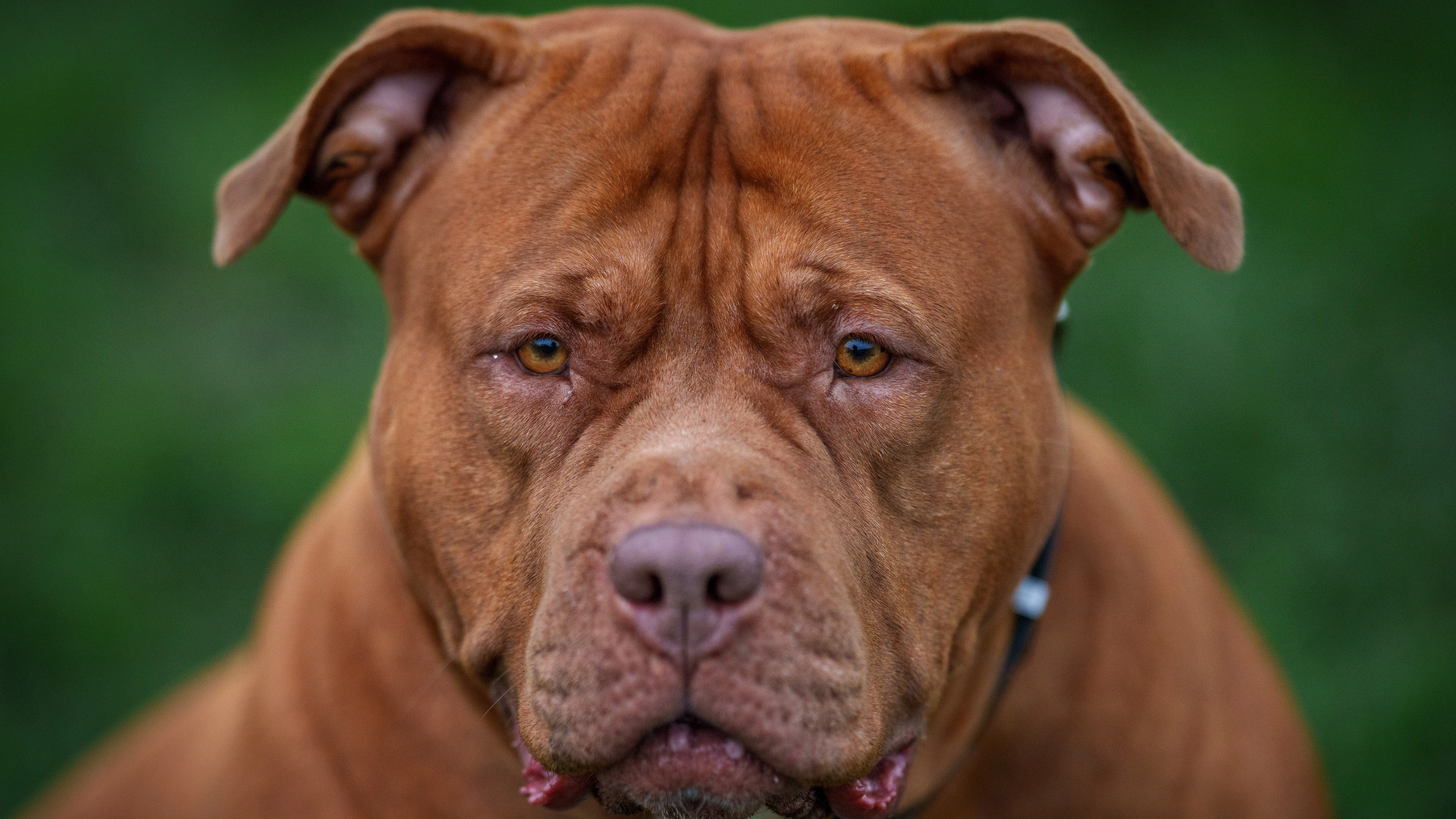
Full list of dog breeds affected by new laws that have just come into force

New UK laws that came into force on 1 November 2026 introduce stricter rules for owners of banned dogs, particularly around child safety.
Under the law, it is illegal to sell, abandon, give away or breed from a banned dog.
The new rules mean children under 12 must not be left in close contact with banned dogs in private places, including homes and gardens, without adult supervision.
"Young children, especially those under 12, are at higher risk of dog-related injuries in the home, where incidents often involve a dog they know. Children may behave in ways that some dogs find uncomfortable," the UK government explains.
Advert
"Dogs may be more likely to react unexpectedly if they are stressed, unwell, overwhelmed or unable to move away from children. Adults should be alert to situations where a dog may need space, and separate the child and dog where necessary."
Five dog types banned in the UK
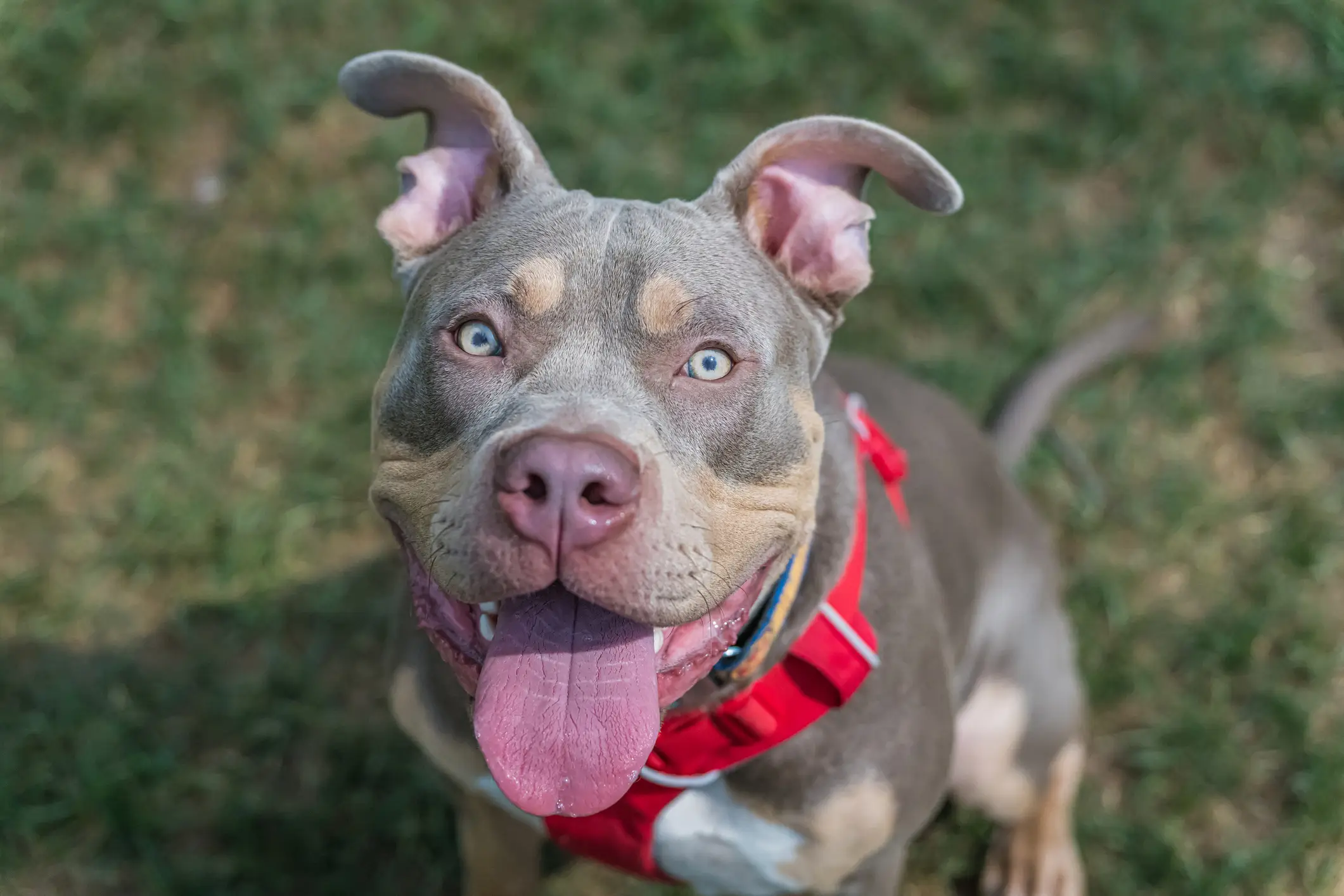
- Pit Bull Terrier
- Japanese Tosa
- Dogo Argentino
- Fila Brasileiro
- XL Bully
Sharon Bolt, a dog trainer and founder of Good Dogs, said: "Simply nipping to the loo could mean breaking the law for some dog owners! Yes, you read that right! A new legal requirement comes into force on Sunday, 1 November, which says that children under 12 cannot be left in close contact with exempted banned-breed dogs, including XL Bullies, without appropriate adult supervision in their home or garden.
"What this means in everyday life is that if you're at home with your young child and dog and need to pop upstairs, have a shower or even nip to the loo, you can't leave them alone together. You'd need to take your child or dog with you, or make sure they're safely separated."

Police and council dog wardens can seize banned dogs and hold them in kennels even if they have not behaved dangerously or attracted complaints.
However, owners with a valid Certificate of Exemption may be allowed to keep their dogs, provided they have not acted dangerously.
When it comes to XL Bullies, they can only be legally owned with a valid exemption.
What is a Certificate of Exemption?
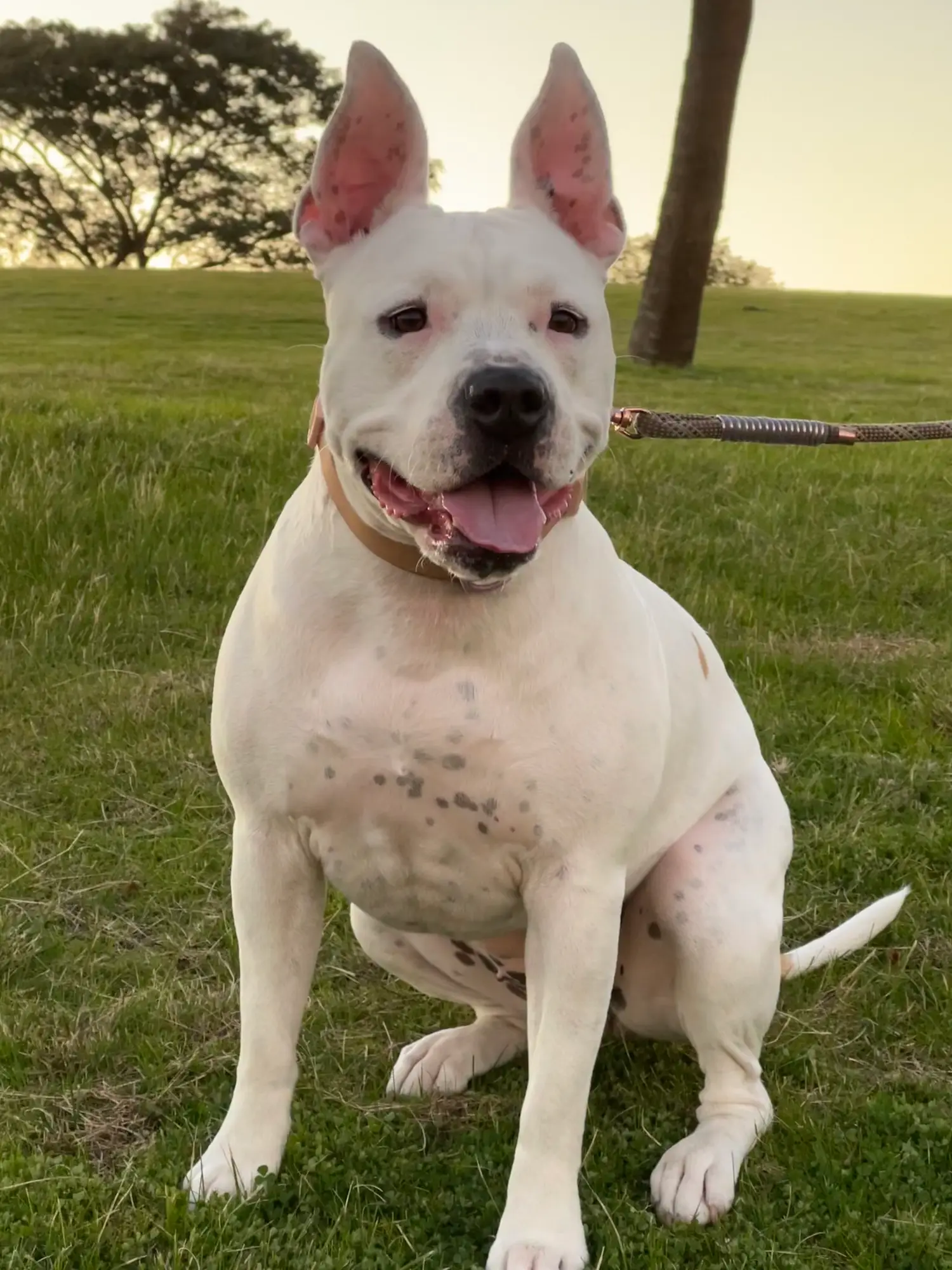 A valid Certificate of Exemption may allow owners to keep their dogs (Getty Stock Images)
A Certificate of Exemption allows owners to keep a banned dog as long as it does not behave dangerously and follow certain rules.
Dogs must be:
- Neutered
- Fitted with a microchip
- Kept on a lead and muzzled at all times when in public
- Kept in a secure place so it cannot escape
Owners must be:
- Aged over 16
- Show the Certificate of Exemption when asked by a police officer or council dog warden, either at the time or within 5 days
- Let the Index of Exempted Dogs know if you change address, or your dog dies
 Anish Vij