
New driveway rule affecting every home in England could save you more than £1,000 a year

Households in England now have the potential to save up to £1,100 per year, thanks to a new driveway rule impacting every home in the country.
Under new proposals set out by the UK government, homes in the UK could save cash and cut down on their environmental footprint by installing a home electronic vehicle (EV) charger.
Previously, homeowner would need to apply for 'householder planning permission' to fit an EV charging unit on their driveway. However, after the new rule was brought into effect last year, homeowners no longer need permission to install a single EV charger, regardless of whether it is wall-mounted or on a pedestal, as long as it is no bigger than 0.2 cubic metres and is positioned at least two metres from a public highway.
It's hoped the new rules will reduce the number of hurdles drivers have to face when debating making the switch from petrol and diesel cars to electric.
Advert
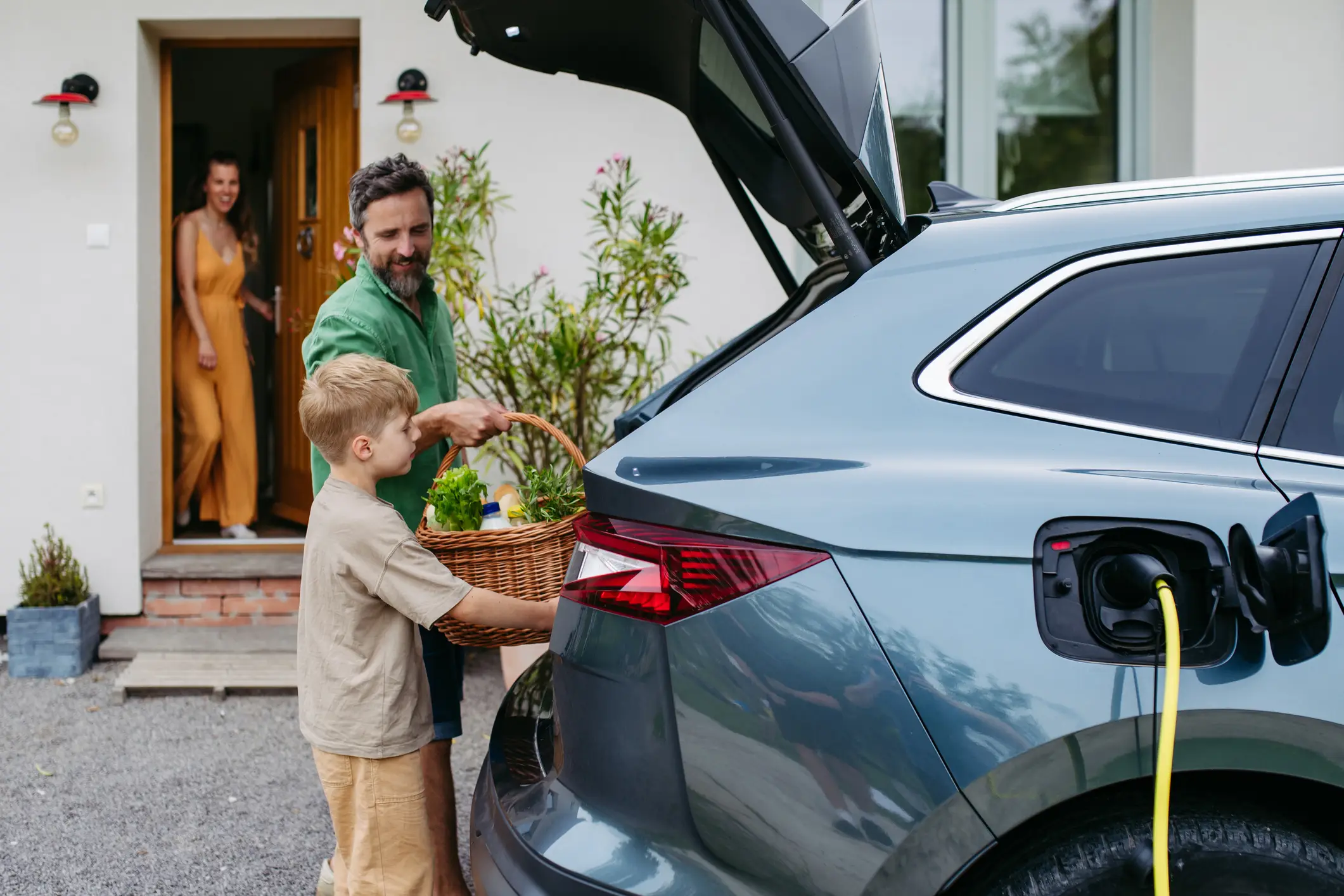
The government have said by changing the rules and encouraging Brits to swap to EVs, they could save around £1,100 a year on running costs by charging their vehicle at home instead of paying for fuel all year round.
"This is a hugely welcome and practical change that will make a real difference on the ground," Lewis Gardiner, operations director, Osprey Charging Network, told the Express.
"Removing the need for planning permission for essential electrical infrastructure like substations across the majority of sites will save months of delays, reduce costs and accelerate the delivery of the rapid charging hubs drivers need. It’s the result of months of collaboration between industry and government and we’re proud to have played a key role in making it happen."
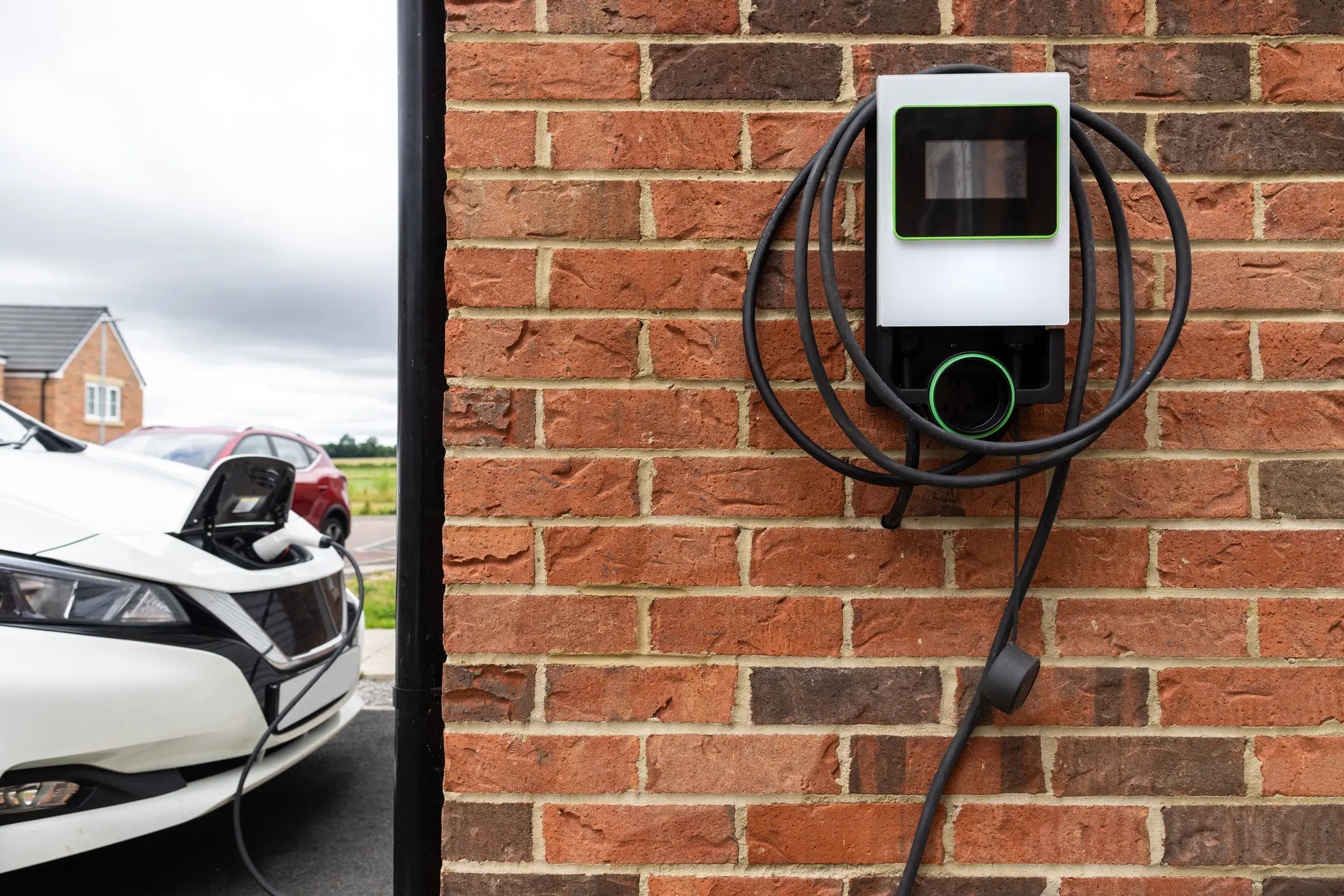
While the plans are definitely a huge step in the right direction, there are still a couple of hurdles in place for certain homes, such as those that are leasehold rather than freehold, as leasehold contracts can sometimes restrict which changes can be made to a house.
New build estates can also sometimes impose certain rules on what changes can be made outside homes, which means homeowners should still check their contracts and leases before going ahead and taking the EV plunge.
Demand for electric cars are going up across the UK, with around 1.75 million fully electric cars currently on our roads, compared to around just 200,000 back in 2020, and this rule change is likely to see EV popularity increase even further.
Topics: Cars, Technology, UK News
 Emma Rosemurgey