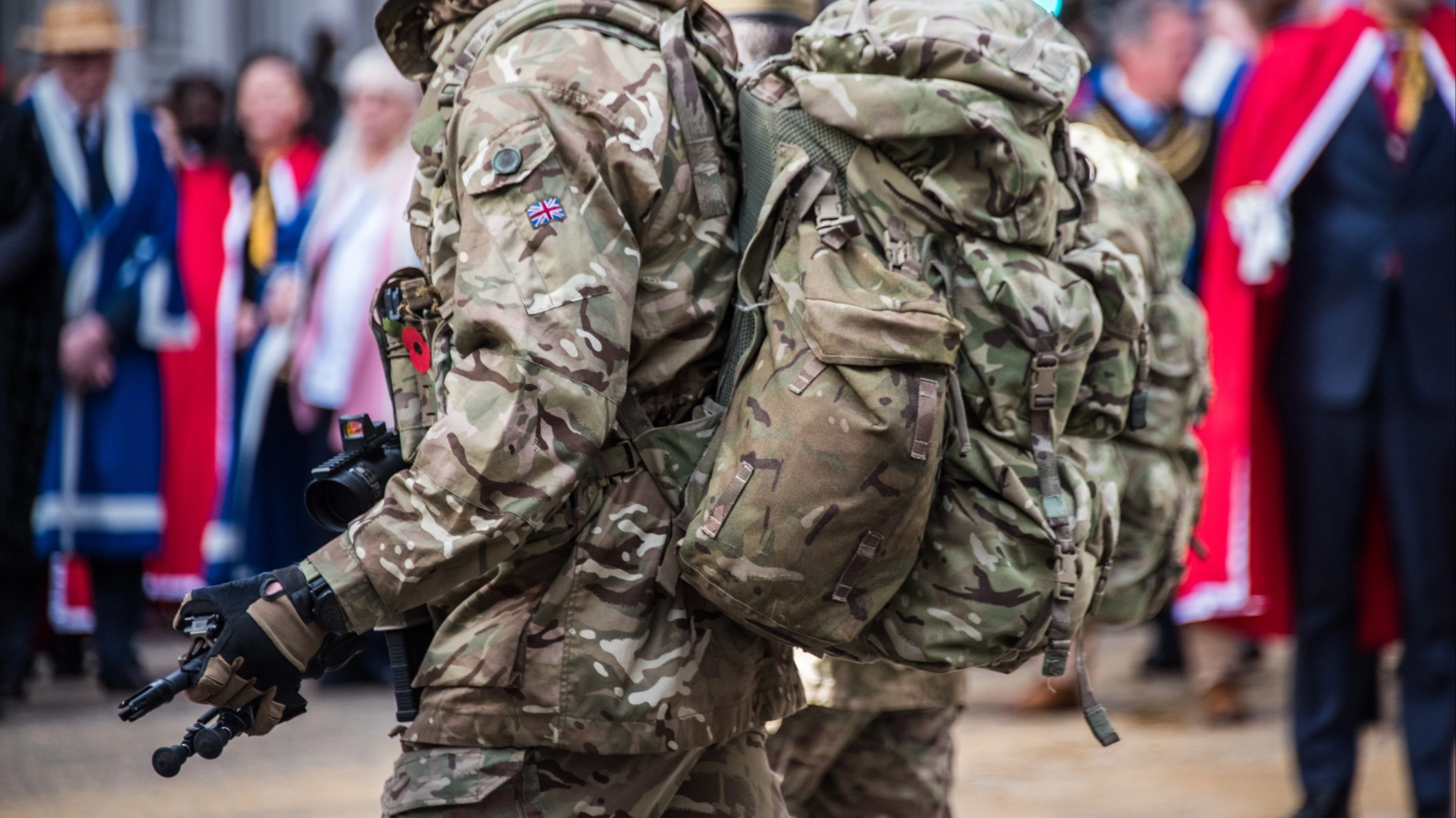
Everyone who could avoid conscription in event of WW3

As the threat of WW3 and tensions with Russia continue to rise and Britain prepares for its biggest military reservist exercise in a 'long time', who would avoid the battlefield if conscription was ever brought back to the UK?
The UK has a 95,000 strong list of strategic reserves - made up of former members of the Army, RAF and Royal Navy - and are planning on drawing from it to test how quickly they can be contacted, mobilised and equipped should the worst come to pass.
After launching the illegal invasion of Ukraine in 2022, Russia are continuing to agitate for a fight with world powers, as Kremlin officials seem all-too-happy to issue worldwide threats, including to Britain.
President Vladimir Putin recently smiled when asked about attacking military facilities in the UK, following Ukrainian strikes on Russia using British weapons.
Advert
"That's a secret, a military secret," he replied with a smirk.
Armed Forces Minister, Louise Sandher-Jones, outlined the plans for the reservist drill on Monday and said: "The strategic reserve is a real commitment for those that are in it and they will be exercised as part of our exercise programme next year where we will go through measures to call out, use, equip and all the rest of the procedures we'd have to go through to use the strategic reserve properly."
She added the veterans would be exercised ""on a scale we haven't seen for a long time," though it was not confirmed how many would be called upon.
Many experts have claimed that the British military could be in trouble if it came down to a fully-blown war, with numbers in the Army dropping from around 110,000 in 2010 to about 71,000 today.
In 2025, the government claimed that it was 'not considering' reintroducing conscription, with former Prime Minister Sir Keir Starmer highlighting that 'nobody is talking about conscription'.
As tensions continue to rise though, many believe that the UK would be in big trouble if it came down to combat.
Conscription has been implemented twice on these shores before, during both the world wars, so who would be exempt in the event of a military call-up?
Professions
A 2024 YouGov poll revealed that 38 percent of under 40s wouldn't volunteer and even 'refuse to serve if called up' in the event of a war, meaning conscription may be the only option.
People deployed in key industries were exempt from being drafted at the time of both world wars, with clergymen, teachers and certain classes of industrial workers exempt during the Great War.
By the Second World War, exempt professions included baking, farming, medicine, coal mining and engineering.
Age
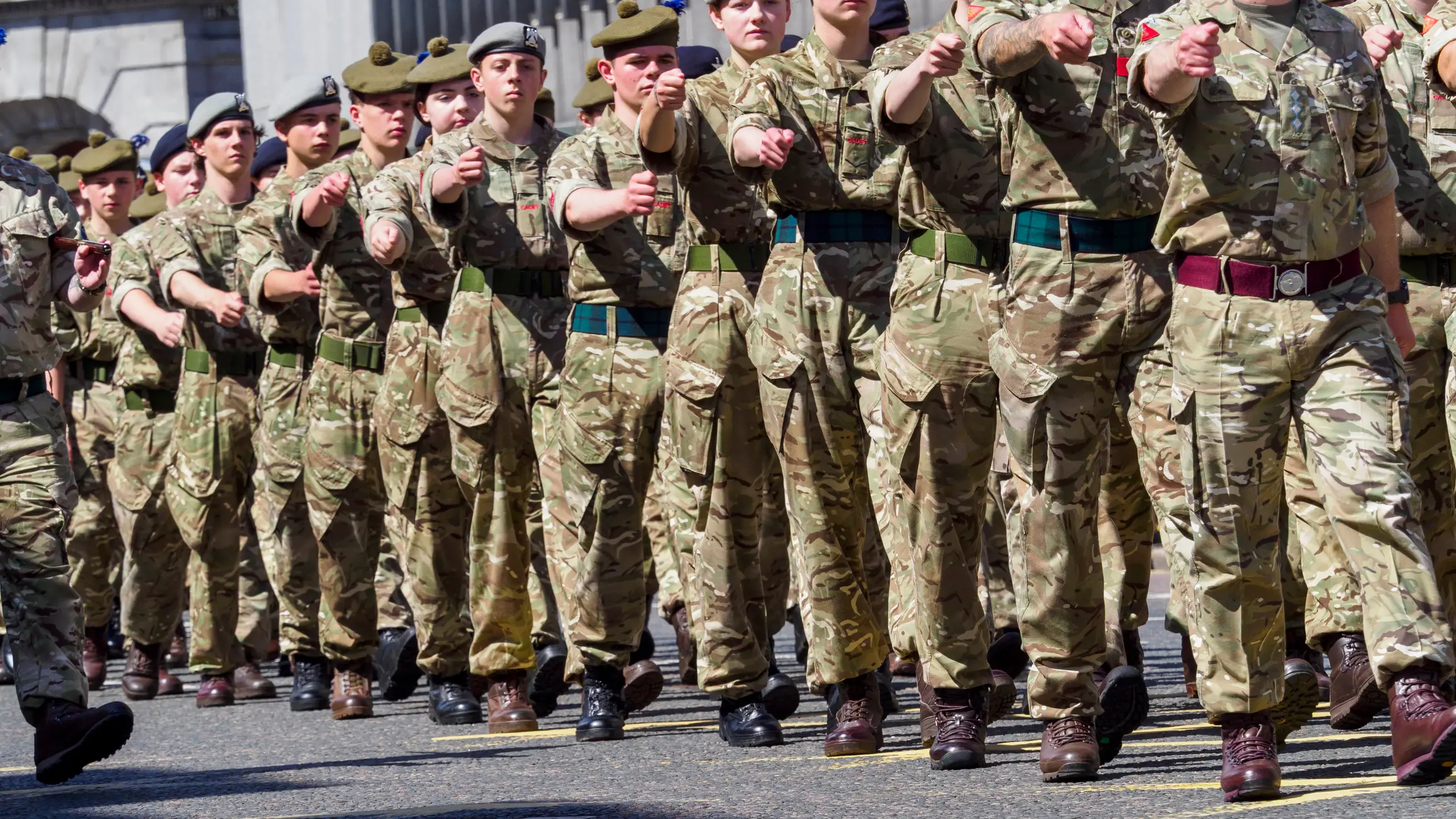
It was recently revealed that five groups of people would 'most likely' serve first in the military, and this is the order in which they'd be called up:
- Young, fit men
- Single people with no children
- Women
- Ex-soldiers and reservists
- Older people (people up to the age of 51 were required to serve in the military by the end of WW2)
Conscription in World War II only applied to men aged between 20 and 21 at first, though this would be extended to men aged 18 to 41.
The National Service Act was introduced in 1948, requiring men aged between 17 and 21 to do military service for 18 months before being put on the reserve list for four years.
Service time was put up to two years in 1950 due to the Korean War, but the reserve period was brought down to six months.
Medical conditions
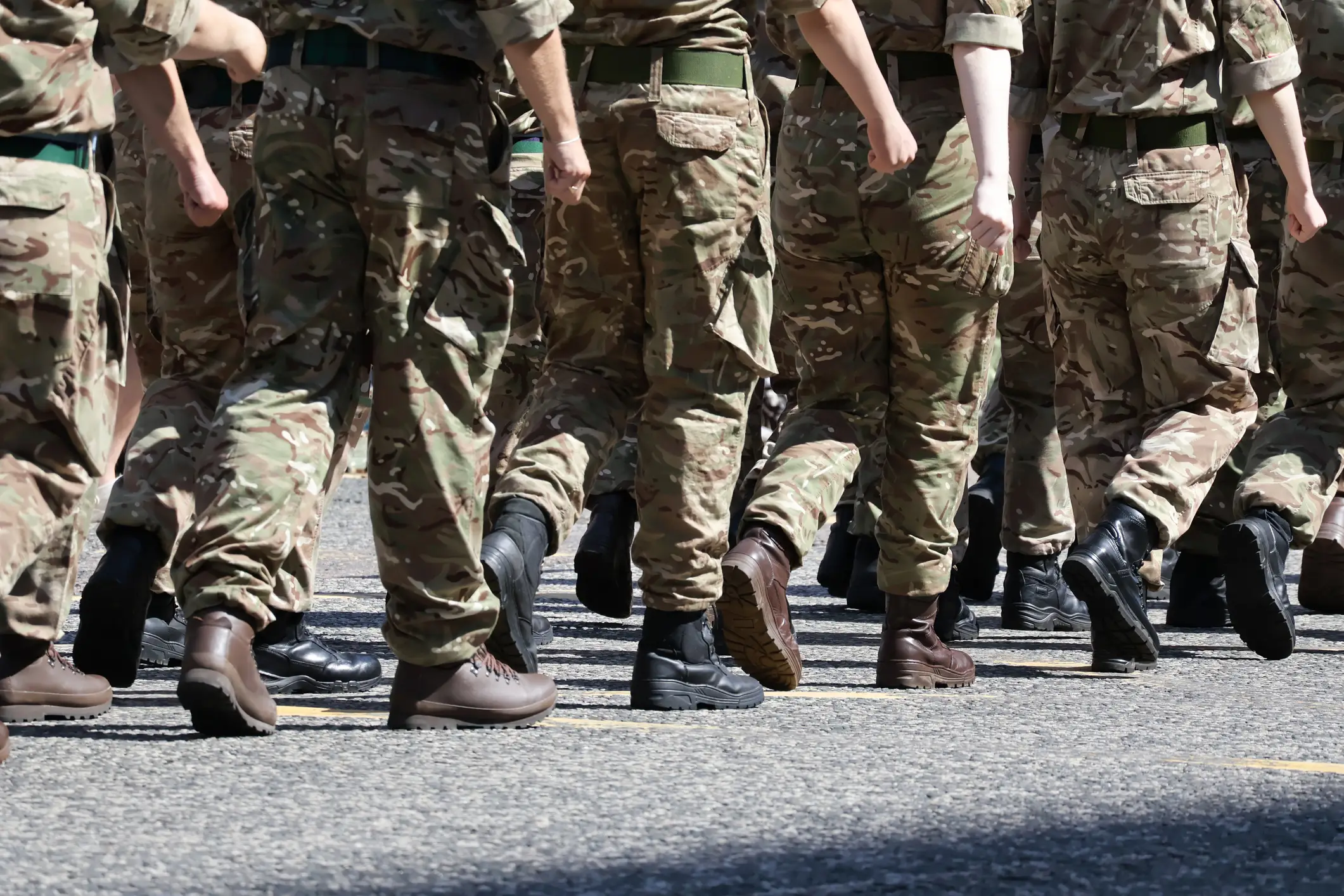
Certain health issues would provide an exemption from being called up, as the British Armed Forces currently doesn't allow those suffering from hearing or vision problems to enlist.
In addition, neurological conditions, severe skin problems, as well as psychiatric and cardiovascular issues, could be enough for someone to be exempt from being on the front line.
People with bone or joint problems, shoulder problems, or those with a history of bone fractures, could also be allowed to stay home.
However, it's worth noting that Sir Richard Knighton, Chief of the Defence Staff, has previously said he 'cannot see conscription returning in the short term' and there were 'no plans' to bring it in, but warned that 'the situation in the world may deteriorate very significantly.'
Topics: Army, UK News, Russia, World News
 Joshua Nair