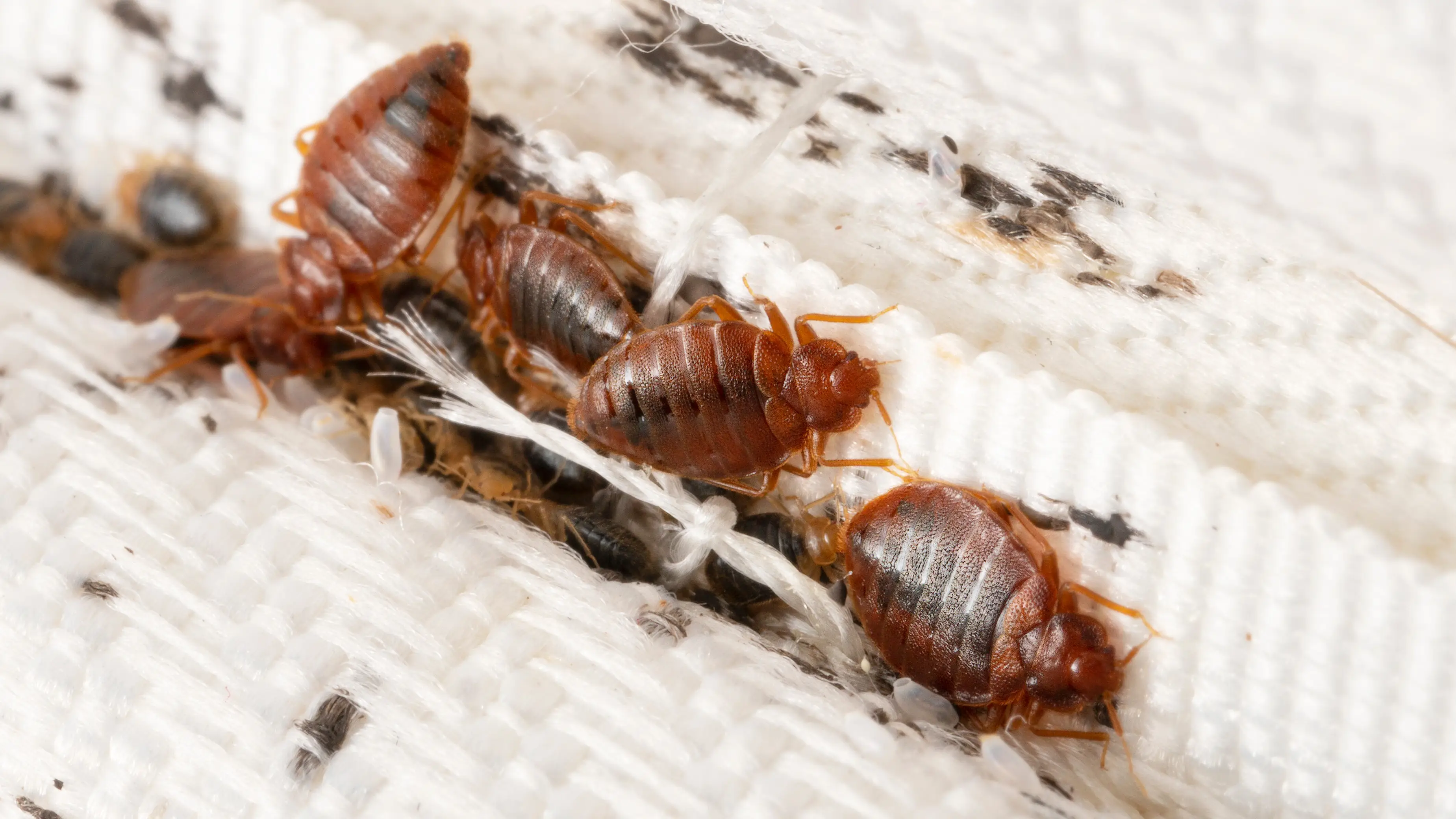
'Mutant bed bugs' on rise in UK that are becoming resistant to treatments

If England don't achieve World Cup glory this month, 2026 might be remembered over here as the year of the mutant bed bug.
According to data obtained by Metro, one of London's many overcrowded boroughs is contending with a 40 percent rise in bed bug infestations when compared to 2025's statistics.
Exterminators are being overwhelmed with work, which is bad enough, but these nightmarish critters appear to be resistant to the majority of insecticides.
Across the first half of this year, the unnamed borough has already dealt with 155 cases, with 52 of those coming to light just last month.
Advert
Although it may be a lively cauldron for these parasites to flourish, the capital city is not the only location struggling with infestations, though.
It's all to do with the reopening of international travel post-pandemic, as well as housing density and a cost of living crisis that's forcing citizens to use dodgy DIY treatments - making the whole disgusting problem even worse.
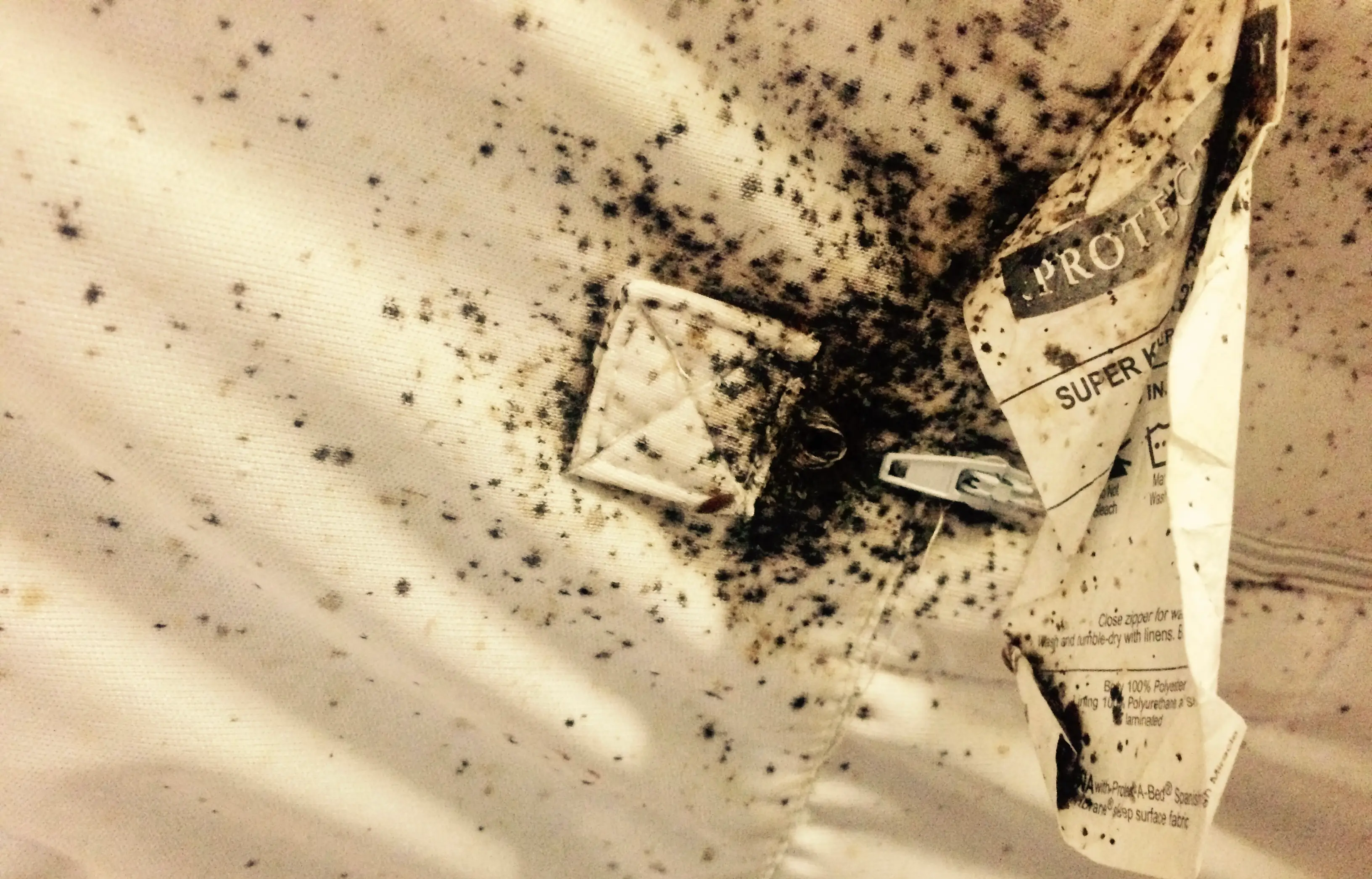
What's worse, these mattress-dwelling horrors have evolved to withstand our usually effective chemicals, although they are still susceptible to the more time-consuming lures and traps.
ThermoPest boss James Rhoades, whose firm blasts away the invaders with heated treatments, has welcomed a 30 percent increase in business this year after chemically-reliant pest controllers couldn't finish the job.
"Year on year, we are seeing more cases where people are coming to us," he told Metro.
"The data definitely suggests that there is a lot more resistance to chemicals than there ever has been."
Apparently, the 2026 bed bugs are simply 'running around like nothing's happened' after being sprayed by the same old stuff.
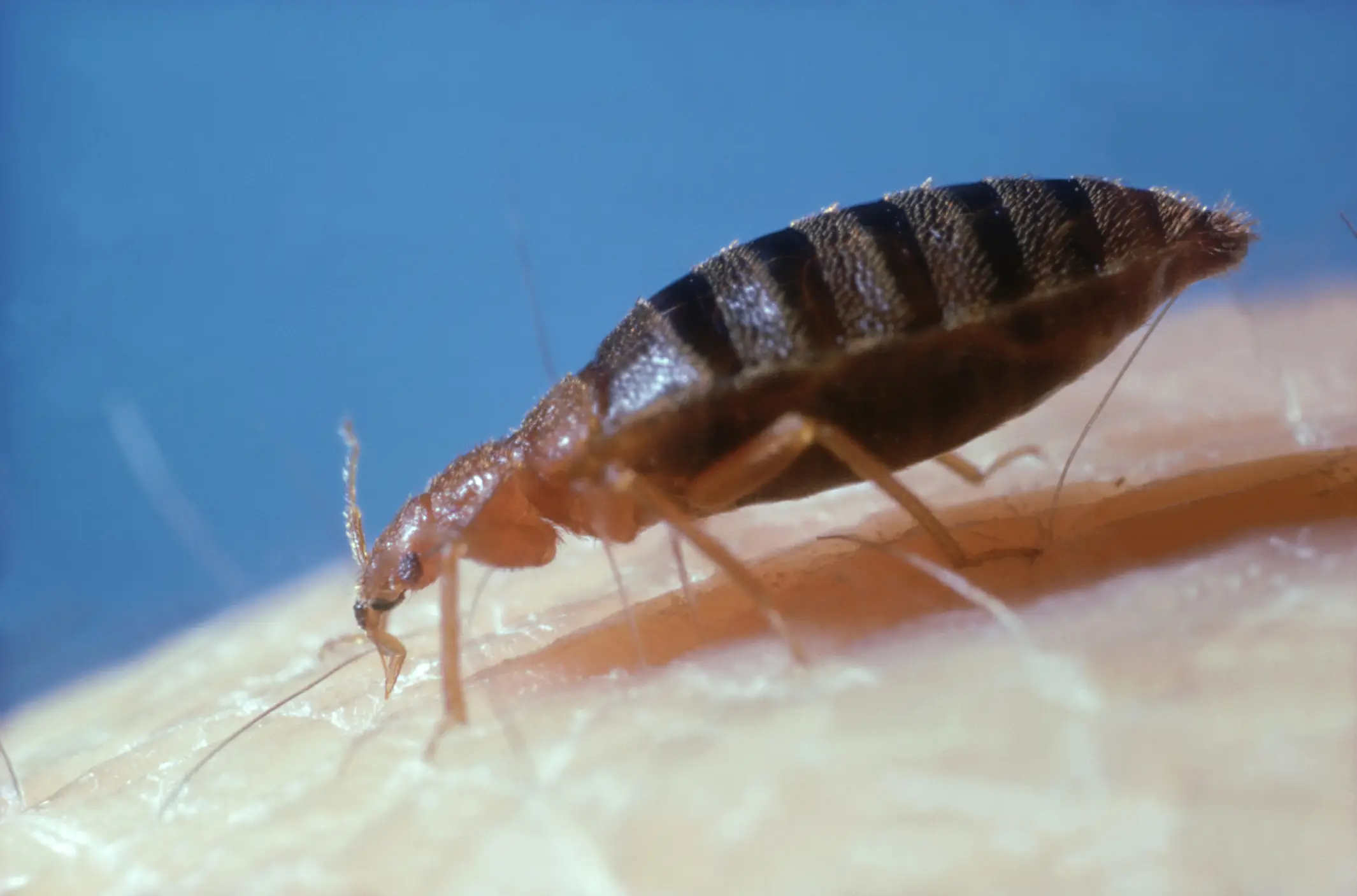
Elsewhere, expert in the field Chow-Yang Lee has claimed that such resistance is 'probably the single most important' reason infestations have 'dramatically' risen.
"The insecticides used to kill bed bugs increasingly fail to do so, and insecticide resistance is now a leading cause of control failures.
"This pushes up infestation numbers in two ways. First, when a treatment doesn't fully work, the infestation isn't cleared," he continued.
"Bedbugs survive, keep breeding, and can spread into other rooms or neighbouring homes.
"Second, and more insidiously, every time a population is hit with a chemical it can withstand, the few weakest bugs die, and the toughest survive to reproduce. Repeat that over many treatments and you're left with a population that's almost entirely resistant."
It's a classic Darwinian scenario: survival of the fittest.
 Dan Seddon