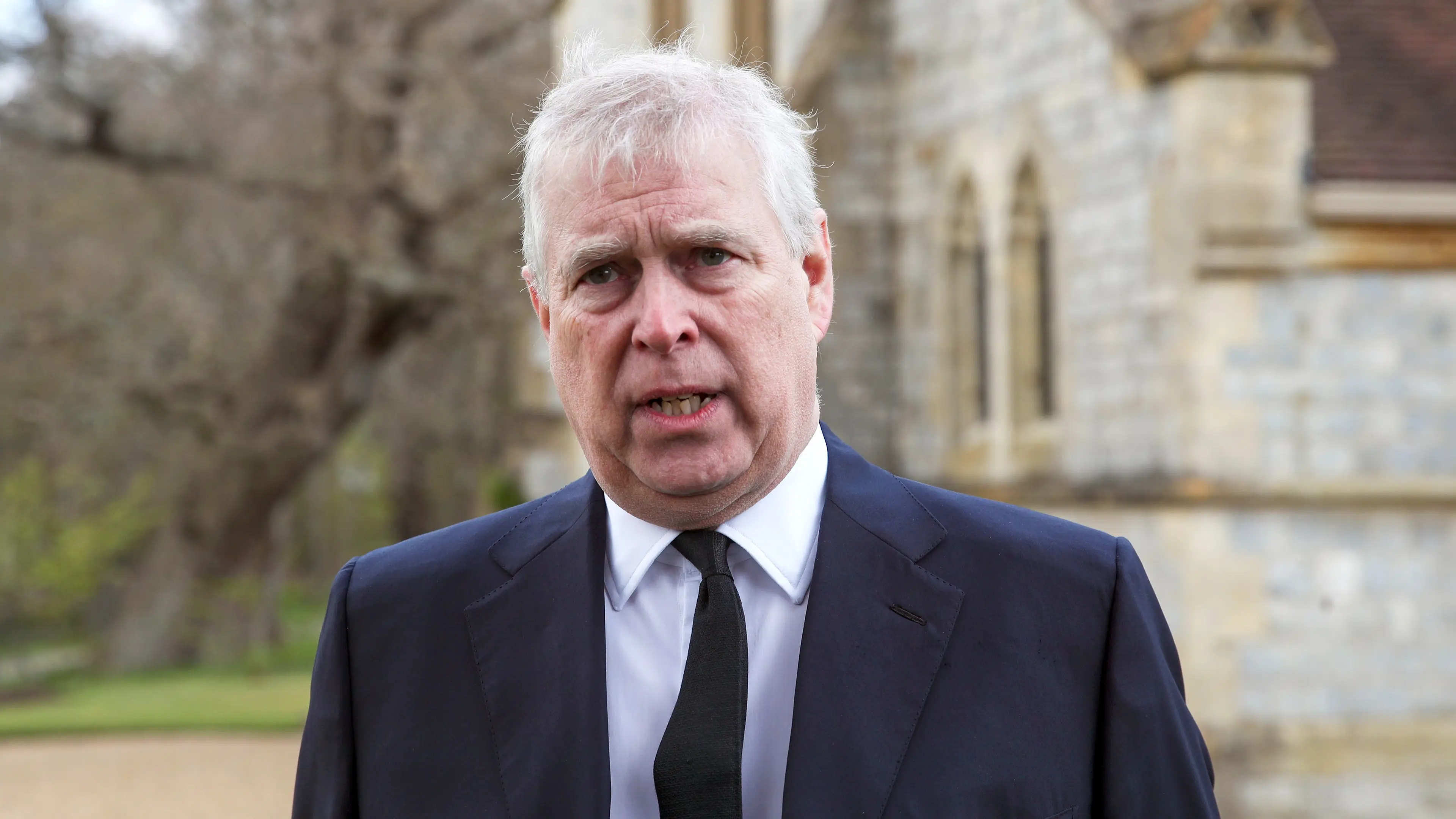
Andrew Mountbatten-Windsor arrest and maximum prison sentence explained

Andrew Mountbatten-Windsor has been arrested on suspicion of misconduct of public office, with Thames Valley Police taking the former prince into custody earlier today (19 February).
At least six unmarked police vehicles arrived at the former Duke of York's home on the Sandringham Estate on his 66th birthday, at around 8am this morning, according to reports.
Although Thames Valley Police have not named the former royal, they confirmed 'a man in his sixties' had been arrest in Norfolk and taken into custody.
The arrest comes after Andrew found himself at the centre of scrutiny following the recent release of the Epstein files. He has always denied all the allegations against him, however.
Advert
The former prince has been arrested under suspicion of misconduct of public office, which could carry a maximum prison sentence of life imprisonment.
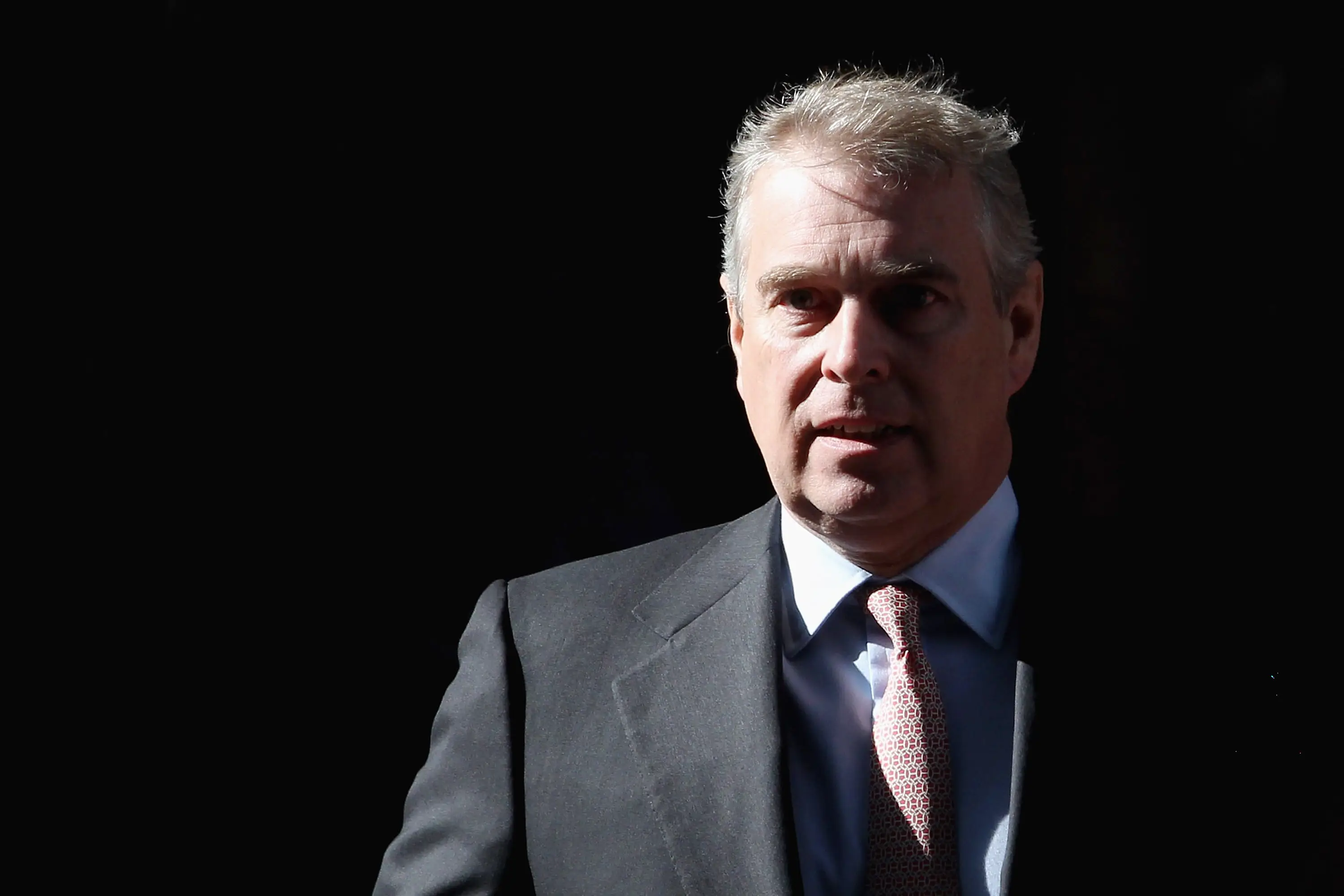
Misconduct in public office explained
The charge of misconduct in public office refers to a 'serious wilful abuse or neglect of the power or responsibilities of the public office held,' according to the Crown Prosecution Service website.
Although the law doesn't specifically define who a public officer is, a member of the royal family or a politician would definitely qualify, due to the level of their responsibility in serving the public.
In order to satisfy the charge of 'wilful abuse or neglect of power,' the person charged with the offence must have been 'deliberately doing something which is wrong knowing it to be wrong or with reckless indifference as to whether it is wrong or not.'
Simarjot Singh Judge, managing partner at Judge Law, explained: “Misconduct in public office is a serious common law offence which requires prosecutors to show that a public officer deliberately breached their duty in a way that represents a serious abuse of public trust.
“It is not enough for there to have been an error of judgment - the conduct must be wilful and sufficiently serious.”

Maximum prison sentence explained
The charge of misconduct in public office can carry a maximum prison sentence of life imprisonment, as it is a common law offence, but the reality is this is incredibly rare.
Most custodial sentences for this crime have ranged from a few months to several years, depending on the severity of the offence.
When sentencing, the judge will look at factors like how serious the abuse of power was, whether it involved corruption or financial gain, any harm caused to victims or the public, and whether it was a one-off offence or part of ongoing conduct.
What we don't know
At present, we don't actually know on what grounds the arrest was made, so it's impossible to say what a punishment might look like if Andrew is charged and found guilty.
We don't know the specific allegations against the 66-year-old, where he's being held or whether he has been interviewed under caution yet.
Mr Judge highlighted that an arrest is only one part of the investigation process, adding: “An arrest under suspicion does not mean a charge has been brought, and it does not imply guilt. Police must gather and assess evidence before deciding whether the case meets the charging threshold.”
Topics: Prince Andrew, UK News, Royal Family, Jeffrey Epstein
 Emma Rosemurgey