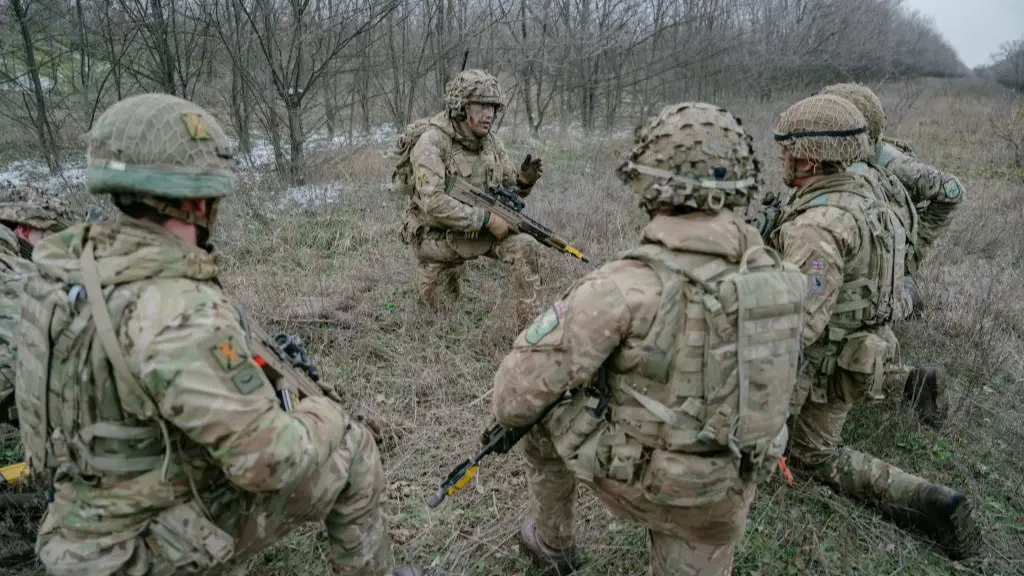
Rules for army conscription as UK 'rapidly developing' plans to prepare for war

If the UK was hypothetically dragged into World War Three, conscription could possibly be on the cards for Brits.
Although Prime Minister Sir Keir Starmer hasn't suggested that mandatory service is on the table, people can't help but wonder how it would all work if it came down to it.
Many countries around the world, including a host of NATO nations, don't give citizens a choice in the matter and they have to don a uniform whether they want to or not.
But the British Army have been a professional volunteer force since 1963, which is the year that national service was last scrapped.
Advert
However, the UK has introduced conscription for both previous World Wars - so if worse comes to worst and all hell broke loose, realistically, it could be reintroduced.
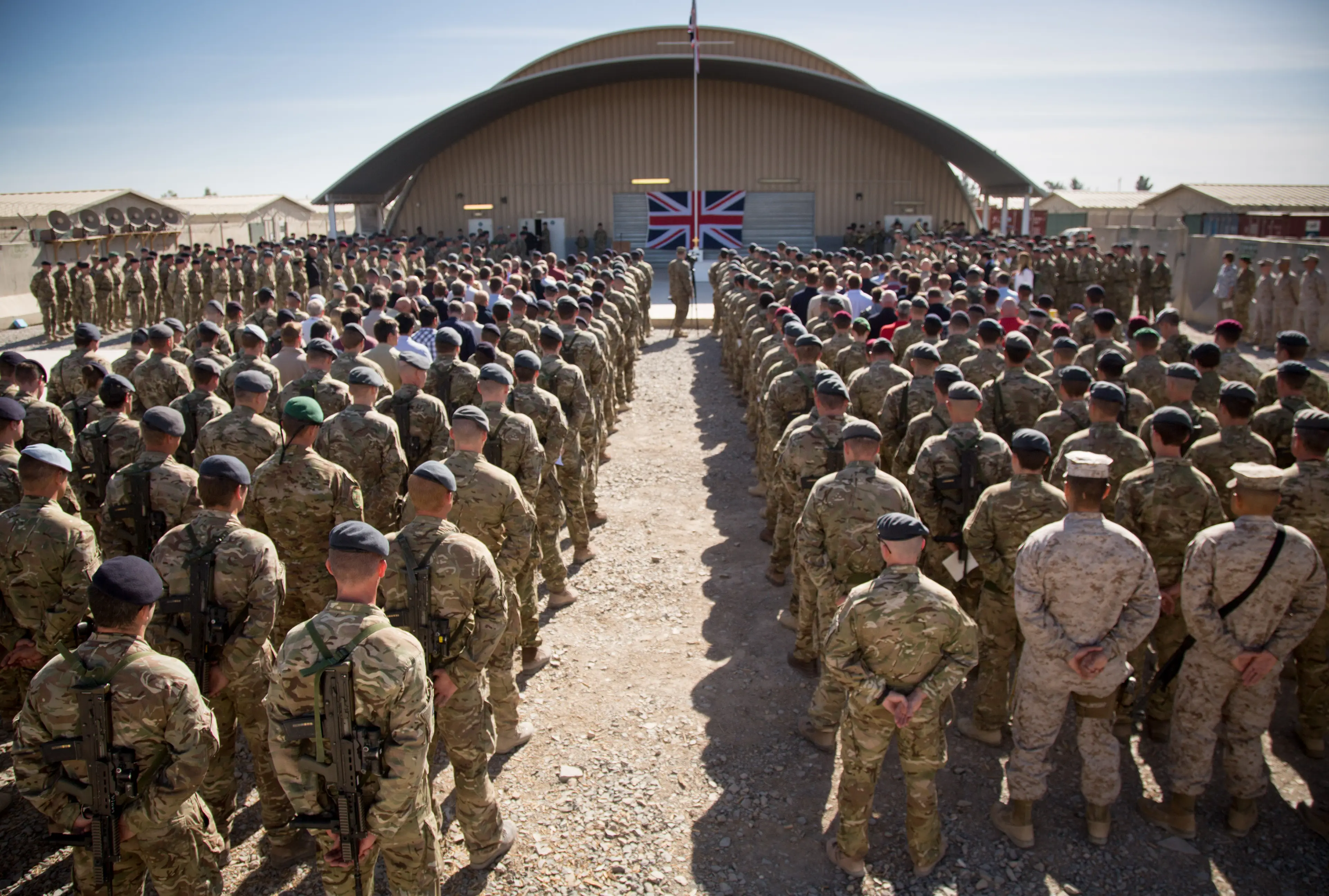
According to government figures released in January, there are currently 180,780 service personnel in the entirety of the British Armed Forces, 70,000 of whom are active troops.
In contrast, Vladimir Putin's military boasts 1.5 million active servicemen, and in April he revealed plans to boost this number to nearly 2.39 million over the next three years.
So, we'd probably need to drastically bulk up our army in the event of Russia waging war - and looking to the past could help us decipher how conscription might work these days.
How did conscription work in the UK previously?
Conscription is a prominent topic of conversation among Brits at the moment.
Amid the continuing invasion of Ukraine and rising tensions across the planet, Downing Street is said to be 'rapidly developing' plans to prepare for war, the Mirror reports.
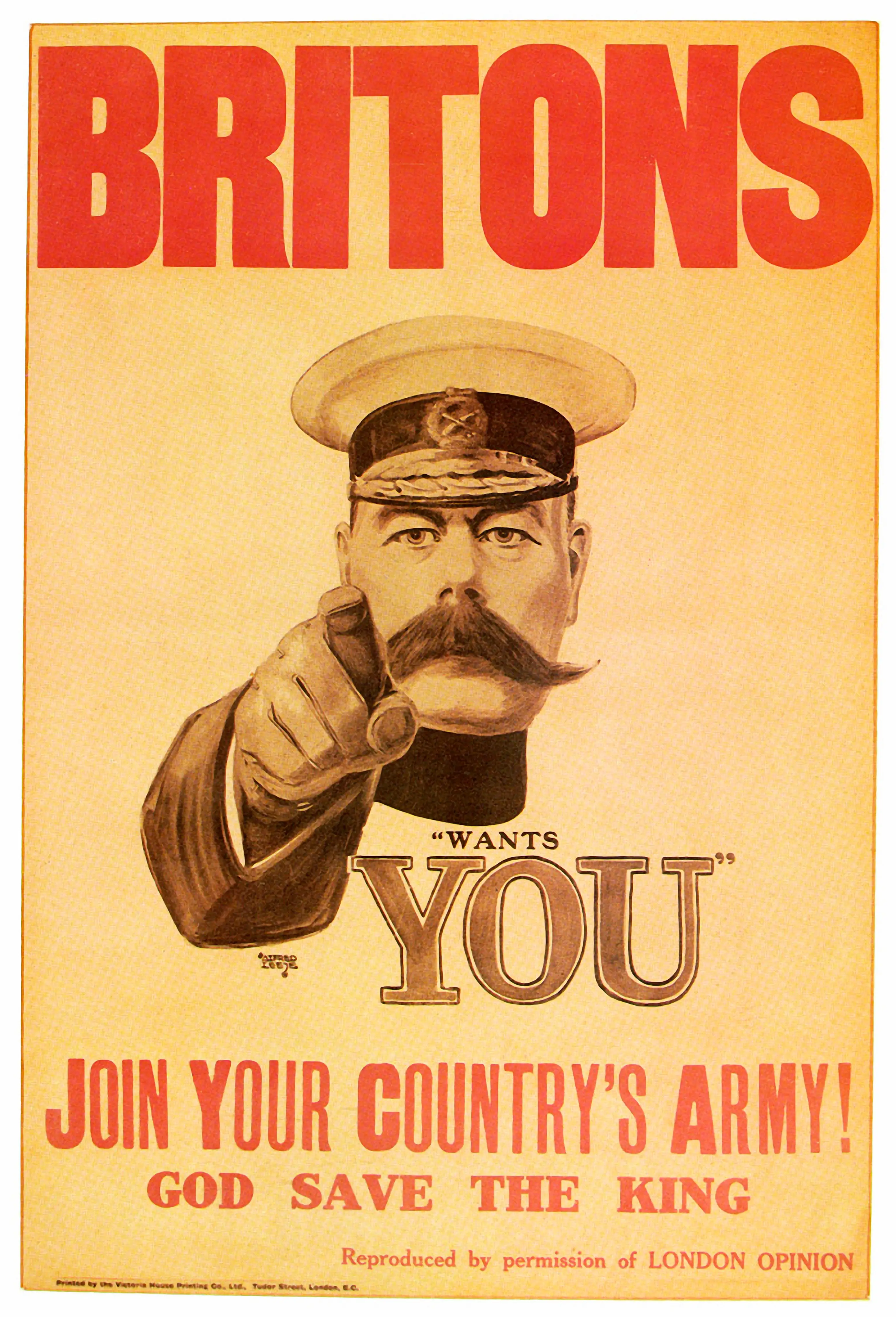
Now, let's have a little history lesson - in 1916, the Military Service Act was passed and mandatory service was introduced amid the outbreak of the First World War two years prior.
We previously arrived solely on volunteers, but men aged between 18 and 41 were then forced into service.
Unless they were exempt for a list of specific reasons - such as being married, being a widower with children, those working as religious ministers, men working in vital industries, those already in the Royal Navy and conscientious objectors - it was a done deal.
In May 1916, married men were removed from the exemption list, and in 1918 the age limit was increased from 41 to 51. The UK reckons that about 2.5 million men were conscripted into military service in the First World War.
What happened ahead of World War Two?
After it was called off in 1920, conscription was then reintroduced in a limited form in April 1939, as the UK government were conscious of the fact that another world war was pending.
The Military Training Act was passed that year, which ordered single men between the ages of 20 and 22 to complete six months of military training, after which they'd be discharged and become army reservists.
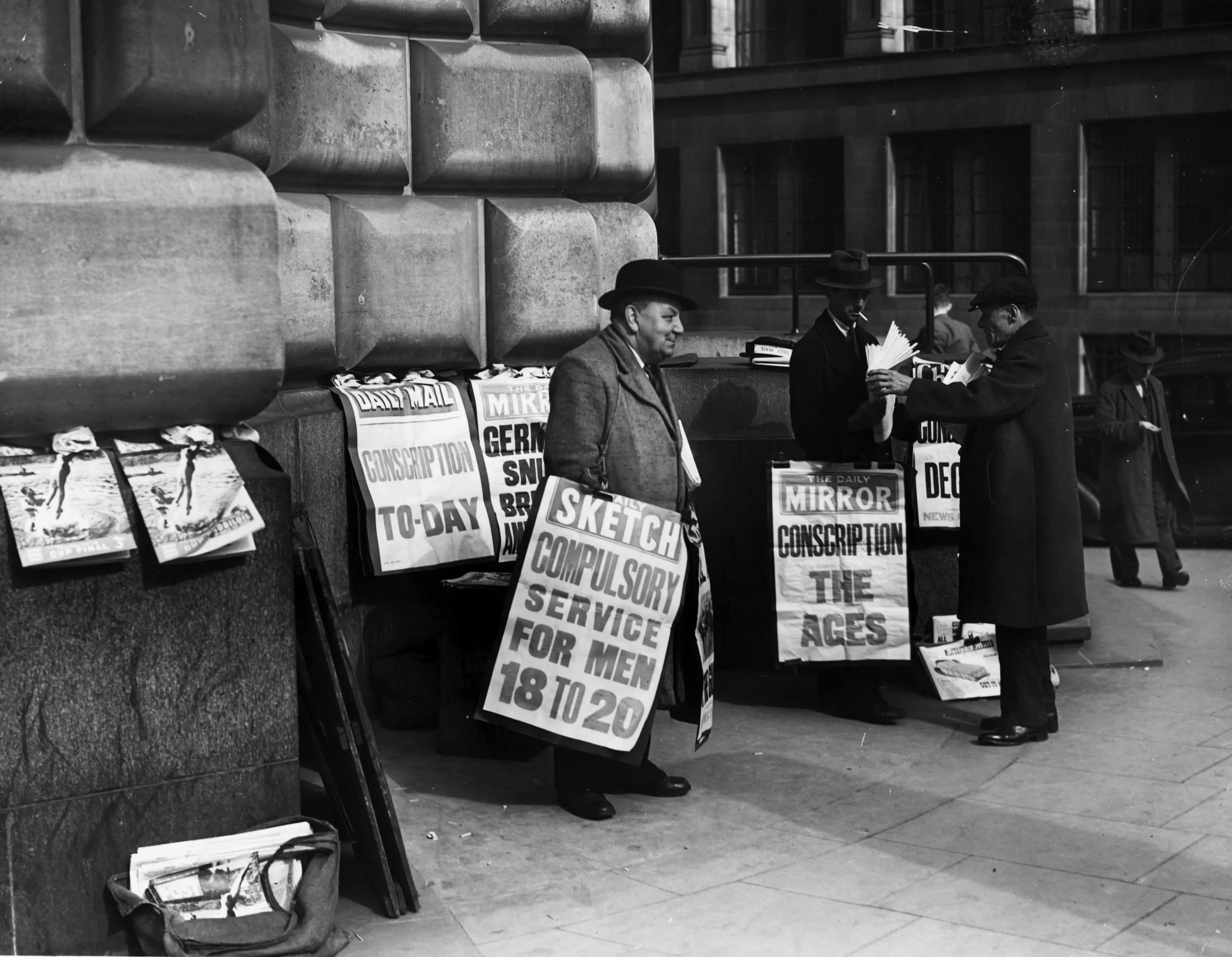
Three months later, the global conflict kicked off and the National Service (Armed Forces) Act was brought in, meaning all men aged between 18 and 41 were conscripted.
Again, some exemptions did apply - with students, clergy, key workers and people who were deemed to be medically unfit dodging the proverbial bullet.
Conscientious objectors could also make an appeal which would place them in a non-combat job instead.
As World War Two raged on, conscription was expanded - and by 1942, all men aged between 18 and 51 were called up in some fashion, barring exemptions.
Women between the ages of 20 and 30 were also part of the military effort, but those who were married or had one or more children aged 14 and under living with them were exempt.
Meanwhile, men who were called up before they were 51 but passed that age during their time conscripted had to stay on.
How would conscription work these days?
Given the Army's track record, we could probably expect a broad age range to be implemented once again if conscription made a comeback, as well as similar rules surrounding exemptions to apply.
In January last year, a YouGov survey found that 38 percent of under-40s would refuse to fight for the country in the event of a new world war, while 30 percent said they would not serve even if Britain faced imminent invasion.
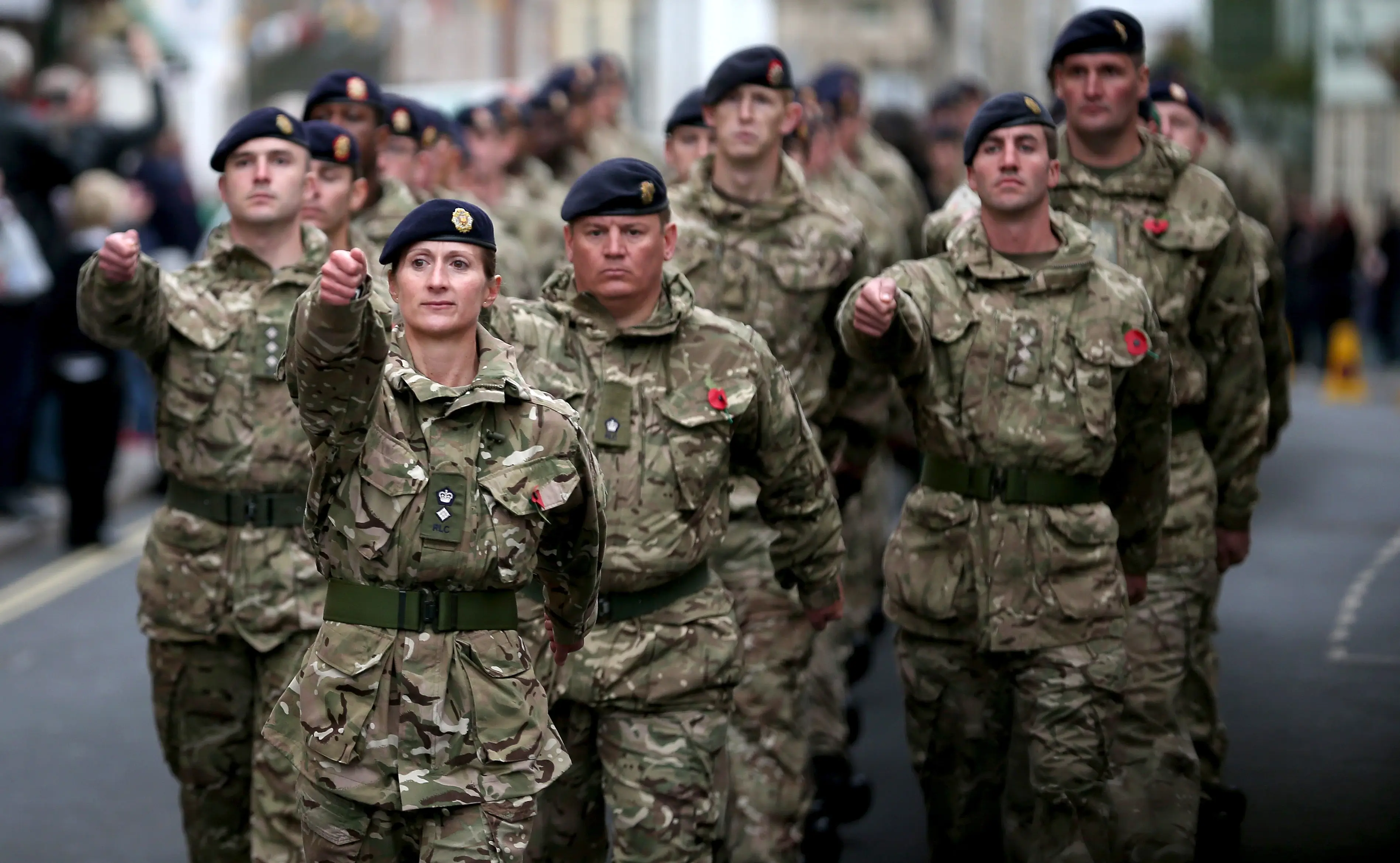
Seven percent of those who took part in the poll said they would volunteer for the armed forces if a world war broke out, a figure which rose to 11 percent when presented with the scenario of the UK being under threat.
Although we can keep our fingers and toes crossed that there is never a need for mandatory service to be brought back in, some experts reckon the government 'should rule nothing out at the moment'.
"I can’t see how an army of just 70,000 is going to be able to deter Russia in the long term and maintain the mass it needs," former British Army officer Colonel Hamish De Bretton Gordon told The Sun.
"If you look at the size of our regular Army, it’s tiny and they’d find it difficult to deploy a brigade for any period of time."
He reckons that there is 'no way' to avoid conscription in the event of war, saying: "Unless we surrender, and I don’t think anybody in this country is going to surrender without a fight, especially to Putin."
"While conscription will take a huge focus away from our regular military - which we cannot afford at the moment - we need to plan for it."
Topics: UK News, Army, World News
 Olivia Burke