
New alcohol buying rules explained as pubs and shops can now accept digital ID

Brand new rules for people buying alcohol in shops have now been unveiled with the official rolling out of digital IDs.
Pubs and retailers will now be able to accept the digital mobile cards as proof of age for those buying alcohol in a major move to provide an alternative to carrying a physical ID.
This is so punters can use their phones to prove their ages at the pub, but also at the likes of festivals and concerts.
The changes to the licensing act that come into force on Tuesday (15 September) apply to businesses in England and Wales. The government expects it to take some time for the technology to be widely adopted.
Advert
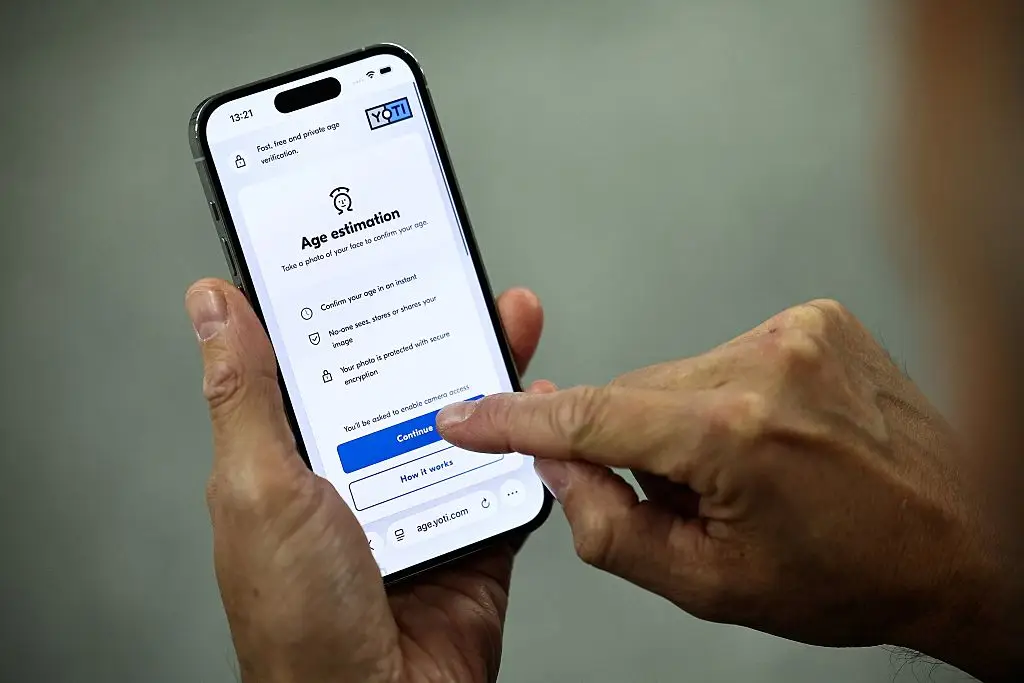
The ID will be available through third-party apps such as Yoti, which is already used as proof of age, including for young people buying age-restricted cinema tickets.
The Government wants to extend the use of digital proof of age beyond alcohol sales in retail, with tobacco and vapes next in its sights.
It comes after Prime Minister Andy Burnham scrapped a wider digital ID programme that was planned under Sir Keir Starmer.
Those buying alcohol will need to go through an authentication process to prove it is their ID each time they use it, for example by scanning their face or entering a code on the app.
This will then generate a token, such as a QR code, that remains valid for a window of around 30 seconds to guard against someone falsely using another person’s ID.
In some cases the user might enter a pin to verify themselves, with a photo then sent to a terminal that the bartender or person behind a till could use to compare to the person in front of them. Several other third-party apps are expected to be available.
The Government has asked developers to make their systems interoperable so customers can have one ID app on their phone rather than being forced to download multiple apps to use at different retailers.
"A groundbreaking change"
Announcing the new move, Digital Government Minister Stephanie Peacock said: “From pubs and restaurants to music venues and festivals, licensed businesses carry out millions of age checks every year.
“It will remain an individual or business’ choice whether to use or adopt it, and physical ID will remain a valid way for customers to prove their age.
“This groundbreaking change in the law will mean you do not need to carry a physical ID, nor hand over sensitive personal information such as your name or address just to prove your age – allowing everyone to feel safer on a night out.”
Digital ID cards are expected to be available to use offline in the same way contactless payments can be. It is not yet clear what the cost to businesses will be, but it is thought that it will be possible to integrate the technology into tablets they already own.
And, businesses are not legally required to keep accepting physical ID for alcohol purchases as the licensing changes give equivalence to digital and physical forms. But the Government does not expect them to stop taking physical IDs as doing so would exclude some customers and there is no cost to continuing to accept them.
Allen Simpson, chief executive of industry group UKHospitality, explained: “Introducing digital proof of age is a positive step for hospitality, providing greater flexibility and convenience for customers and businesses.
“The roll-out of the voluntary digital proof of age will provide an easier experience for customers, allowing them to verify their age securely from their phones.
“We look forward to working with the Government to ensure the roll-out of the scheme, with multiple supplier options available, is cost-efficient and not burdensome for the hospitality sector.”
Topics: Politics, Technology, UK News, Alcohol
 James Holt