What could actually happen as ‘severe’ warning issued over unexpected impact of Polar Vortex

There has been much talk about the Polar Vortex and its potential impact on the weather this winter, with scientists now issuing a fresh warning about one potentially disastrous impact it could have.
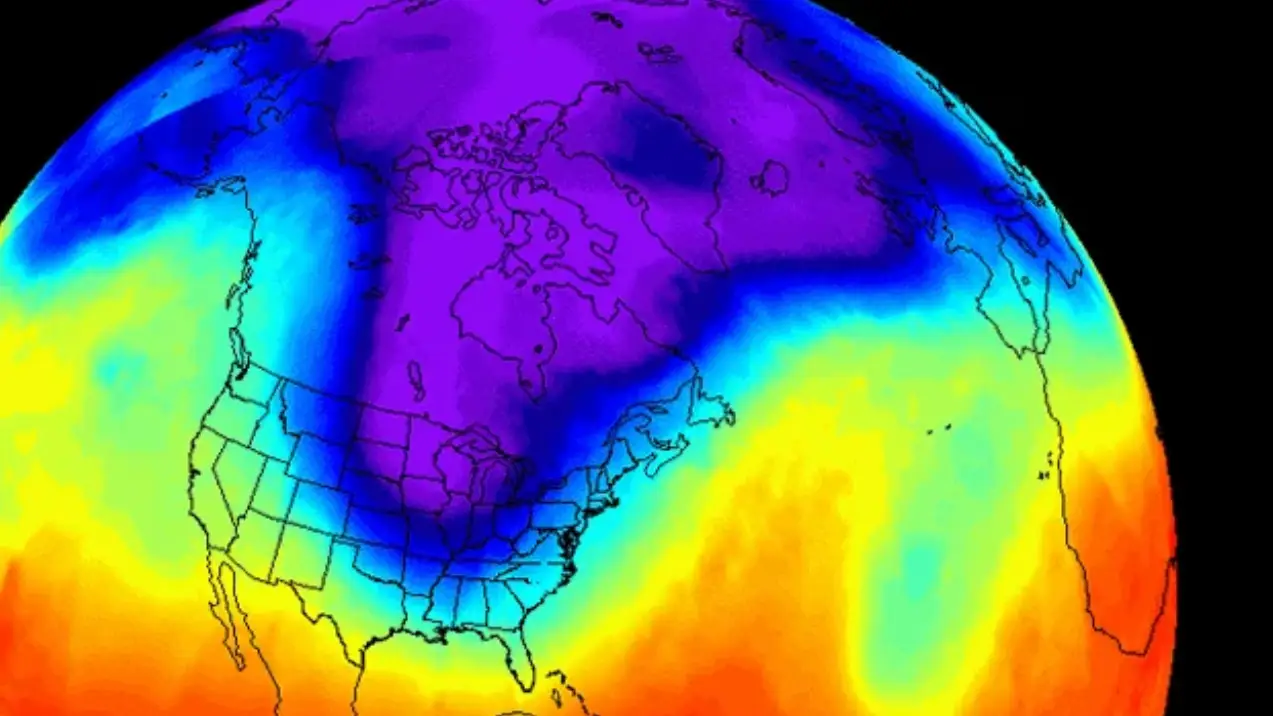
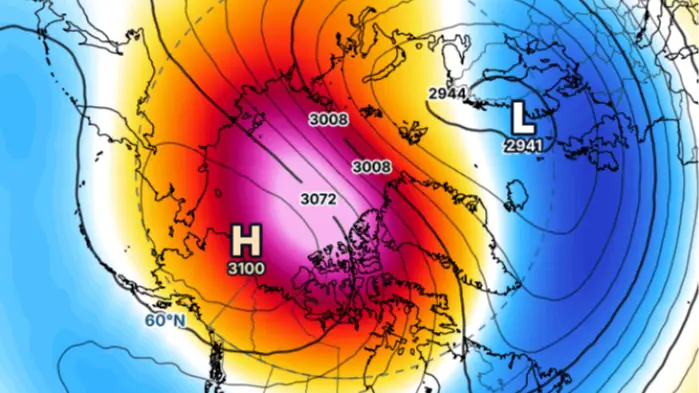
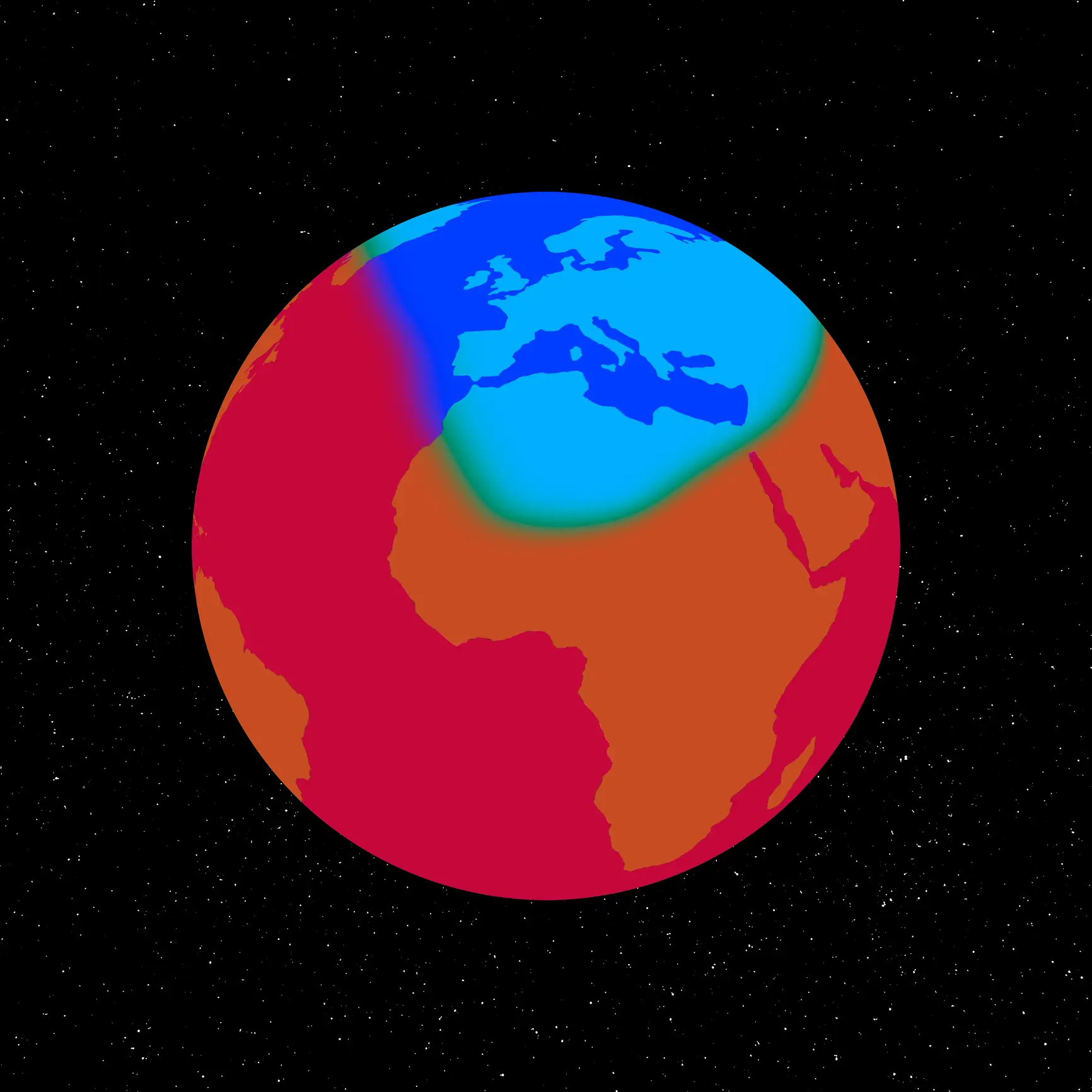
The phenomenon occurs when an area of very cold, low-pressure air circulating around the Arctic and Antarctic high up in the atmosphere forms.
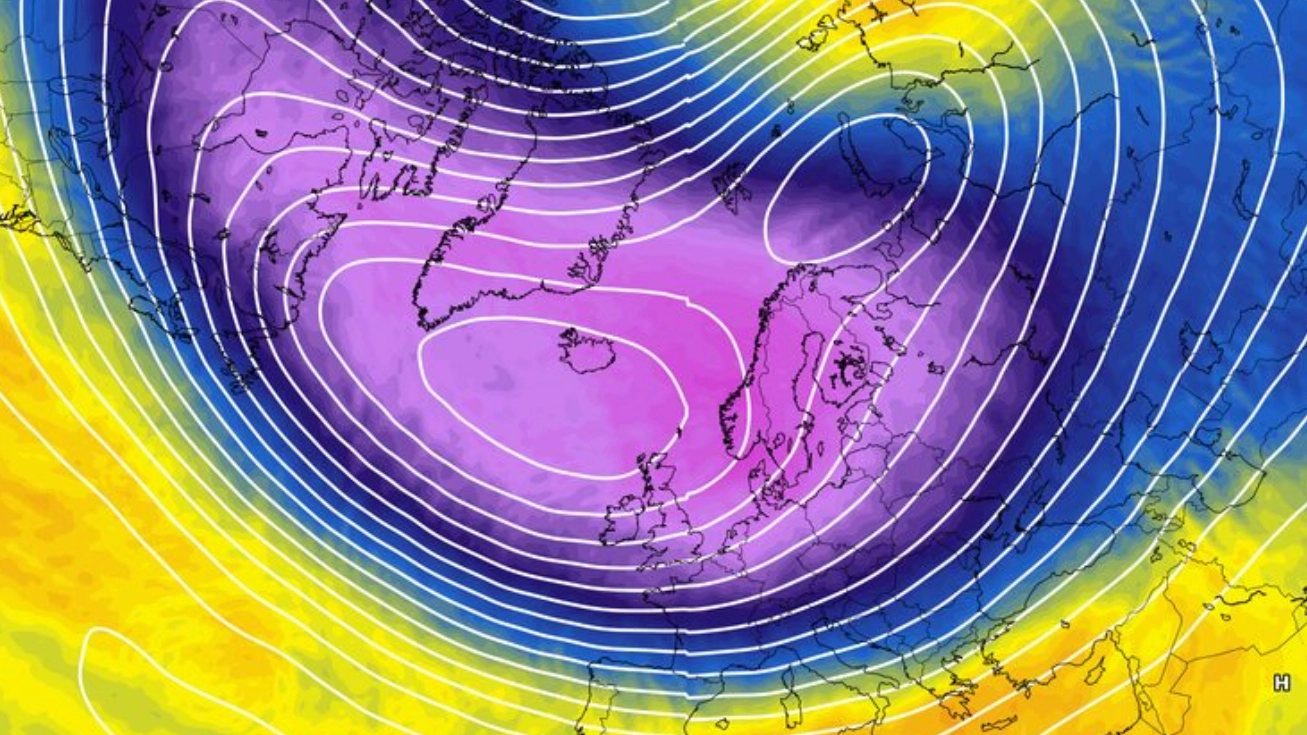
But this year there is an unexpected event happening, much earlier than usual, called the 'sudden stratospheric warming (SSW)'.
Caused in part by El Nino, it is a dramatic rise in temperatures which can disrupt the polar vortex, cause the winds to break up, and potentially increase the chances of severe winter weather in the UK and Europe by pushing colder air to the south.
Advert
After some of the hottest days on record this summer, and fears about El Nino impacting things like vital food production globally, now sparking stockpiling warnings, it is still too early to predict exactly what's in store for us.
Stratospheric warning could have huge impact on weather
However, meteorologists have warned that the main impact of the weather event that is likely to impact Brits is not the potential for freezing conditions, but rather something else entirely.
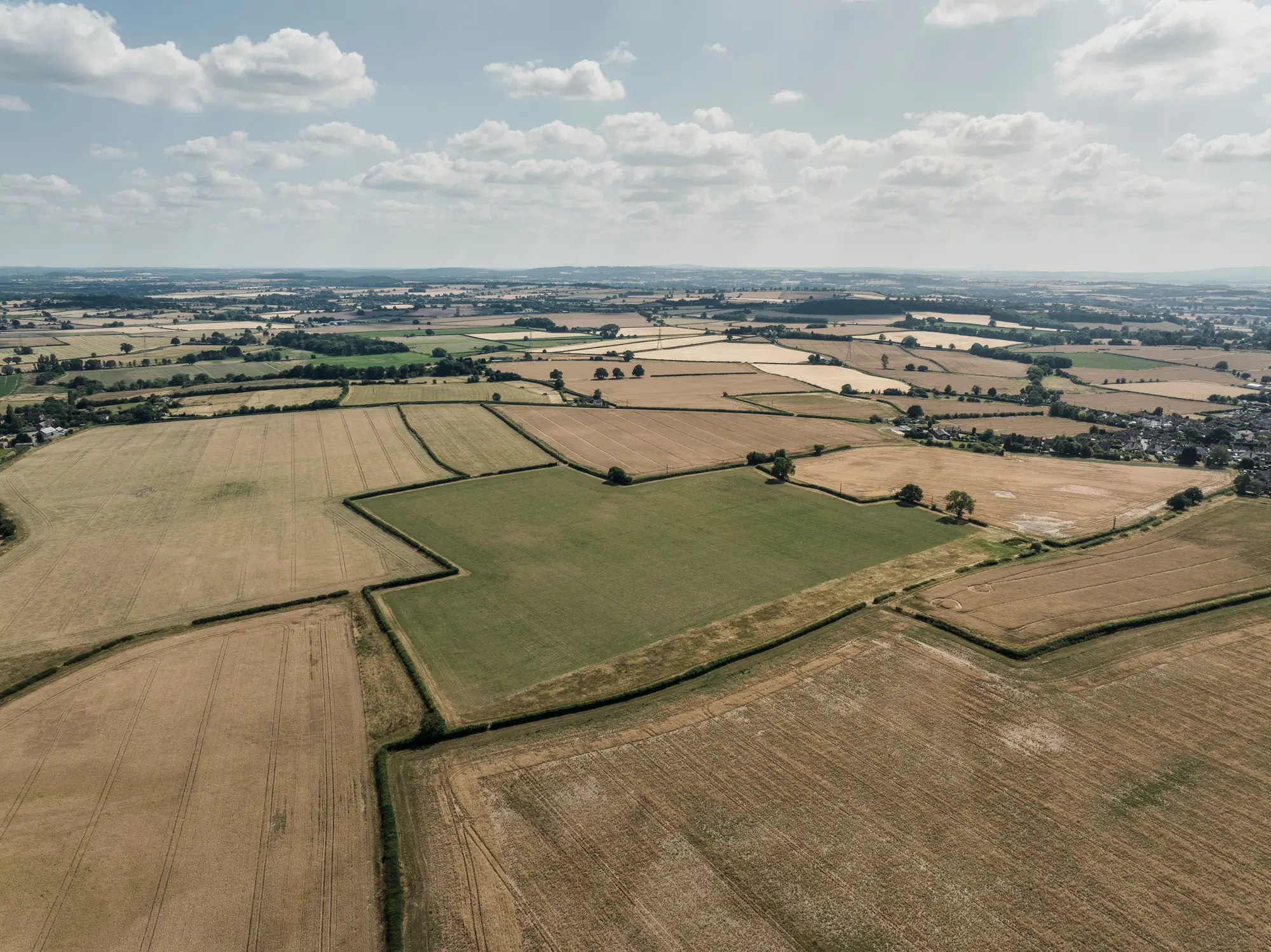
Prolonged cold, but dry weather could actually prolong the 'severe drought' still being faced by many parts of the UK and could prevent reservoirs refilling over winter.
This could realistically impact the UK in a number of ways, with parts in the south still suffering from the conditions of summer and lack of rainfall.
Public water supplies remain under pressure in those areas, but Brits could be asked to keep restricting water. This would also mean people would be urged to buy bottled water, but may be rationed.
Food prices could also see another increase, as lack of rainfall means lower yields of vegetables and other crops and reduced grass growth meaning less feed for animals.
The UK has already experienced a significant lack of rainfall throughout 2026, particularly during the spring and summer, with large areas in both England and Wales suffering drought conditions.
In summer, the UK received just 77 percent of its average summer rainfall, according to the Met Office.
Now, the Met Office has published an article explaining that the polar vortex is being disturbed unusually early in the season, with signs that a Sudden Stratospheric Warming (SSW) is developing early in November.
LADbible reported how the conditions, blocking high pressure, could lead to the drought continuing in many areas with one expert claiming the UK needs '120 percent' of our usual rainfall every month over winter to come out of it.
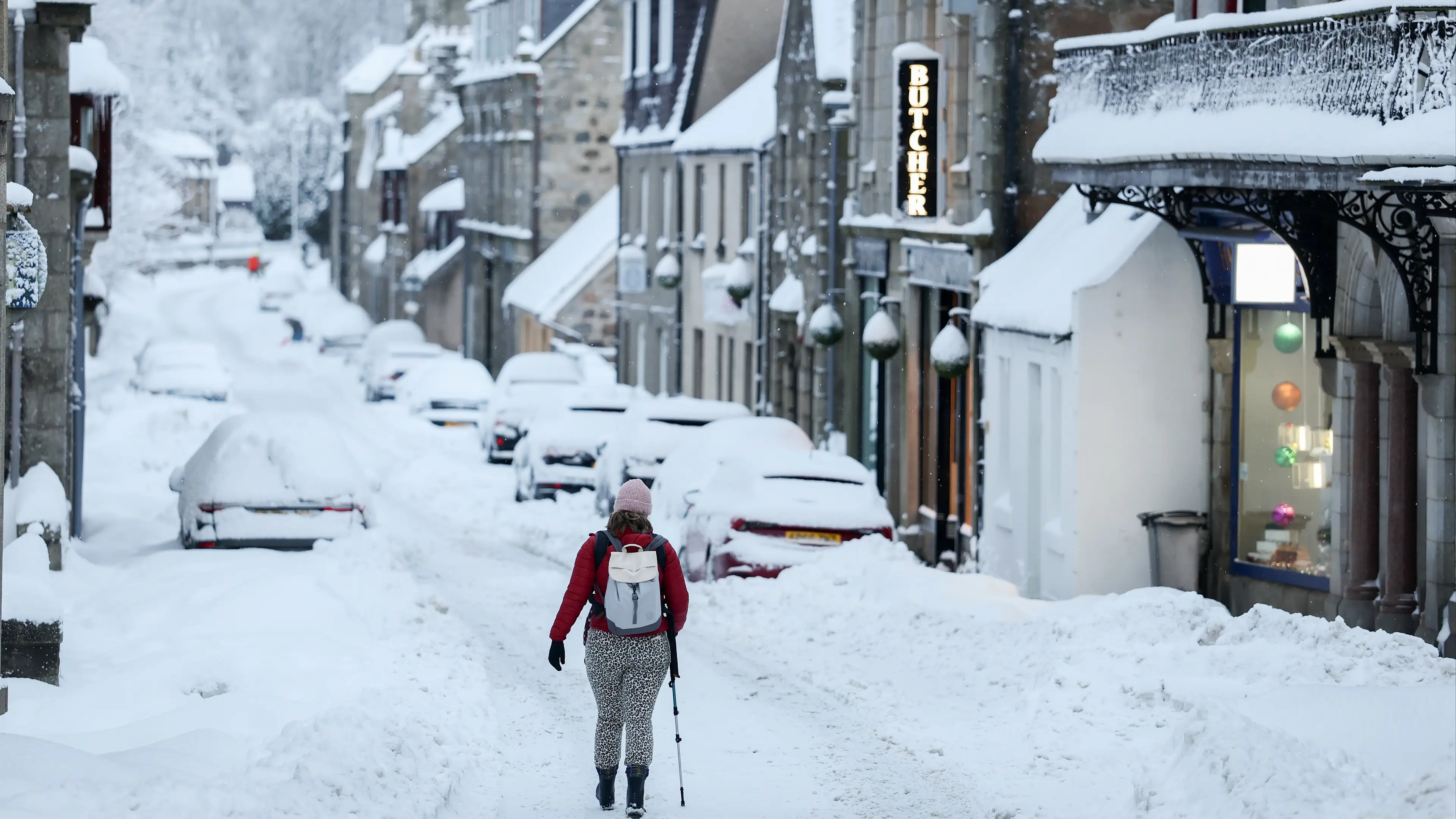
Professor Andrew Charlton-Perez, a meteorologist, explained: "There is still too much heat in the oceans, land and atmosphere left over from summer to make snow likely. Later in the winter, the link between an SSW and snowy weather would be stronger.
"Perhaps a bigger concern would be a long dry spell. Our water resources in some parts of the UK are very low after an exceptionally dry and warm summer.
"If this event or other SSW events during winter bring prolonged periods of dry weather, it could stop our reservoirs from refilling over the winter. That could have extremely significant impacts on water supplies for homes, businesses and farmers next summer.”
The impacts of winter drought
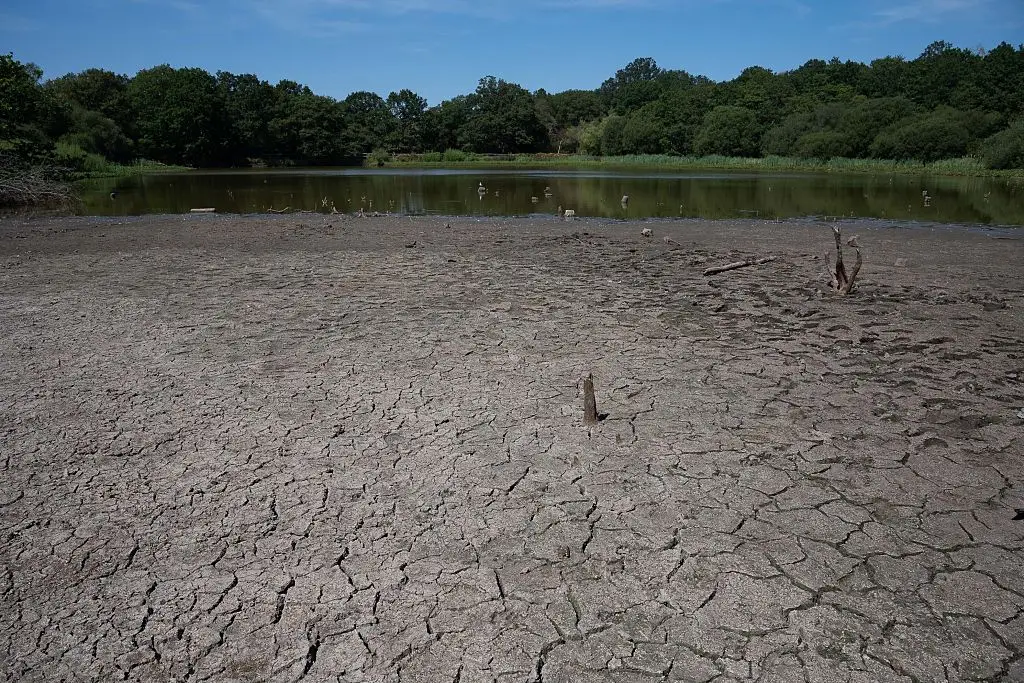
As of the beginning of November, 82 percent of the country remains in drought, with the public still being asked to use water wisely.
The Environment Agency said recent rainfall in October is 'nowhere near enough to reverse the impacts of repeated heatwaves and an extremely dry spring and summer', with the dry conditions possibly continuing over winter.
England in particular still needs at least 120 percent of average rainfall for the next six months to be considered out of drought by spring. Anything less risks the drought continuing into next year.
And water companies in the areas of severe drought have been told they need to accelerate their contingency planning, alongside the current daily monitoring of reservoir and river levels.
Environment Agency Chief Executive, Philip Duffy, explained: “The recent rain is welcome, but the drought isn’t over.
"A few wet days cannot reverse months of hot, dry weather. Our rivers, reservoirs and groundwater need sustained rainfall to recover, and the effects on nature can last much longer.
"Everyone can help. Using a little less water, from taking shorter showers to turning off the tap while brushing your teeth, makes a difference. Saving water now will help our environment and water supplies recover.”
Topics: El Niño, Weather, UK News, World News
 James Holt