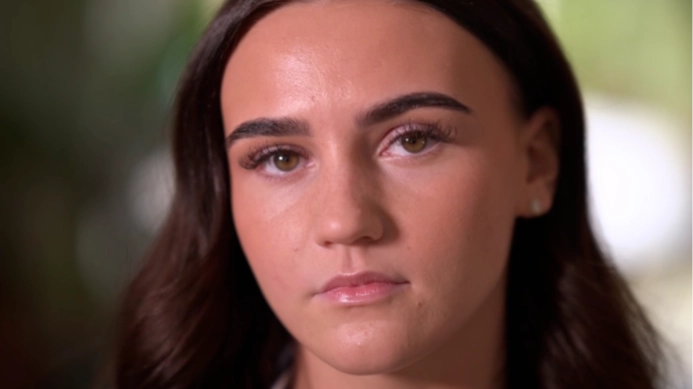
Woman, 19, to receive £10,000 compensation after photo used for fake social media profiles

A young woman is to be paid £10,000 by a 'catfisher' who stole her identity and used the likeness to have romantic conversations online for four years, leading to men thinking she was their girlfriend.
Sasha-Jay Davies, 19, from Aberdare, south Wales, was left too afraid to leave the house after she was approached by a string of men who believed they were in a relationship with her, reports the BBC.
What she didn't realise at the time was that Elha Mai Weston had been using her pictures to strike up romantic conversations with men.
Weston has since apologised for her 'wrongful' conduct and agreed to pay Davies £10,000 in compensation, as well as to not repeat her actions ever again, after a hearing in The High Court in London.
Advert
Starting in 2022, when Davies was just 16, and going until 2026, Weston used pictures of Davies online to castfish - using fake profiles with the intention of deceiving people - as she sparked up romantic conversations on multiple digital platforms.
'I wouldn't wish it on my worst enemy'
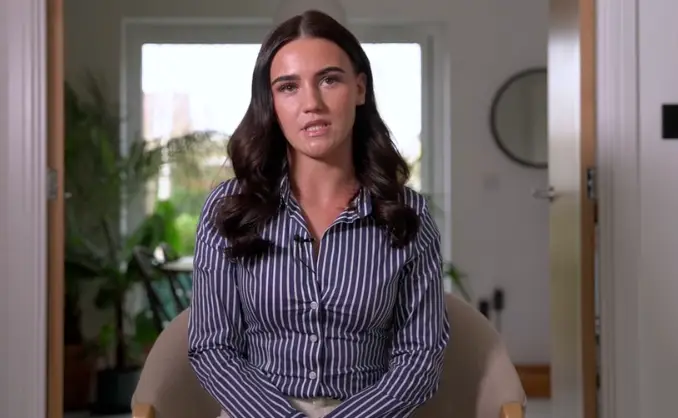
Images - including AI-created pictures based on Davies' likeness - were used on social media sites TikTok, Instagram, Facebook and SoundCloud, as well as dating apps Tinder and Hinge.
Weston operated the profiles under the fake names of 'Sophie' and 'Sophie Kadare.'
But that didn't stop Davies from being recognised from the fake accounts in real life.
The 'sustained campaign of online impersonation' led to Davies feeling anxious whenever she was out in public over fears complete strangers would believe they knew, or were in a relationship with, her.
One man approached Davies, a student, believing he was in a real relationship with her after he had exchanged messages with one of Weston's fake accounts for months.
The court was told that Davies was contacted by about 20 men and several women on social media who were under the impression they knew her.
"I've had boys approach me in person, harassing me and accusing me of texting them, leading them on, or making plans to meet up, alongside conversations I never had," Davies said.
"It's really difficult and I wouldn't wish it on my worst enemy."
The accounts gained 100,000 followers over four years
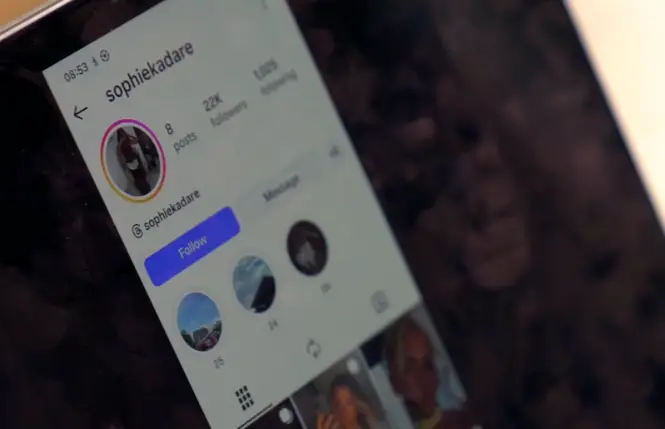
The accounts amassed more than 100,000 followers and continued to operate despite Davies reporting the problem when it first occurred.
Even after making Davies made her real accounts private, Weston continued posting older photographs of Davies and AI-edited images.
Speaking to BBC Wales earlier in 2026, Davies said: "I used to go out a lot but now I hardly ever go out because I'm scared what man is going to approach me next.
"It is terrifying to be confronted over something you didn't do and to realise someone is using your face to manipulate others."
In court, Weston acknowledged the 'very significant distress and suffering' she caused to Davies and that she "deeply regrets her actions and apologises to Miss Davies wholeheartedly and unreservedly for everything she has been put through."
As part of a Tomlin Order - a binding civil justice agreement which can lead to contempt of court if broken - the court heard that Weston agreed to pay a reported £10,000 to Davies and not to repeat her conduct.
Topics: Social Media, UK News, AI
 Daniel Murphy