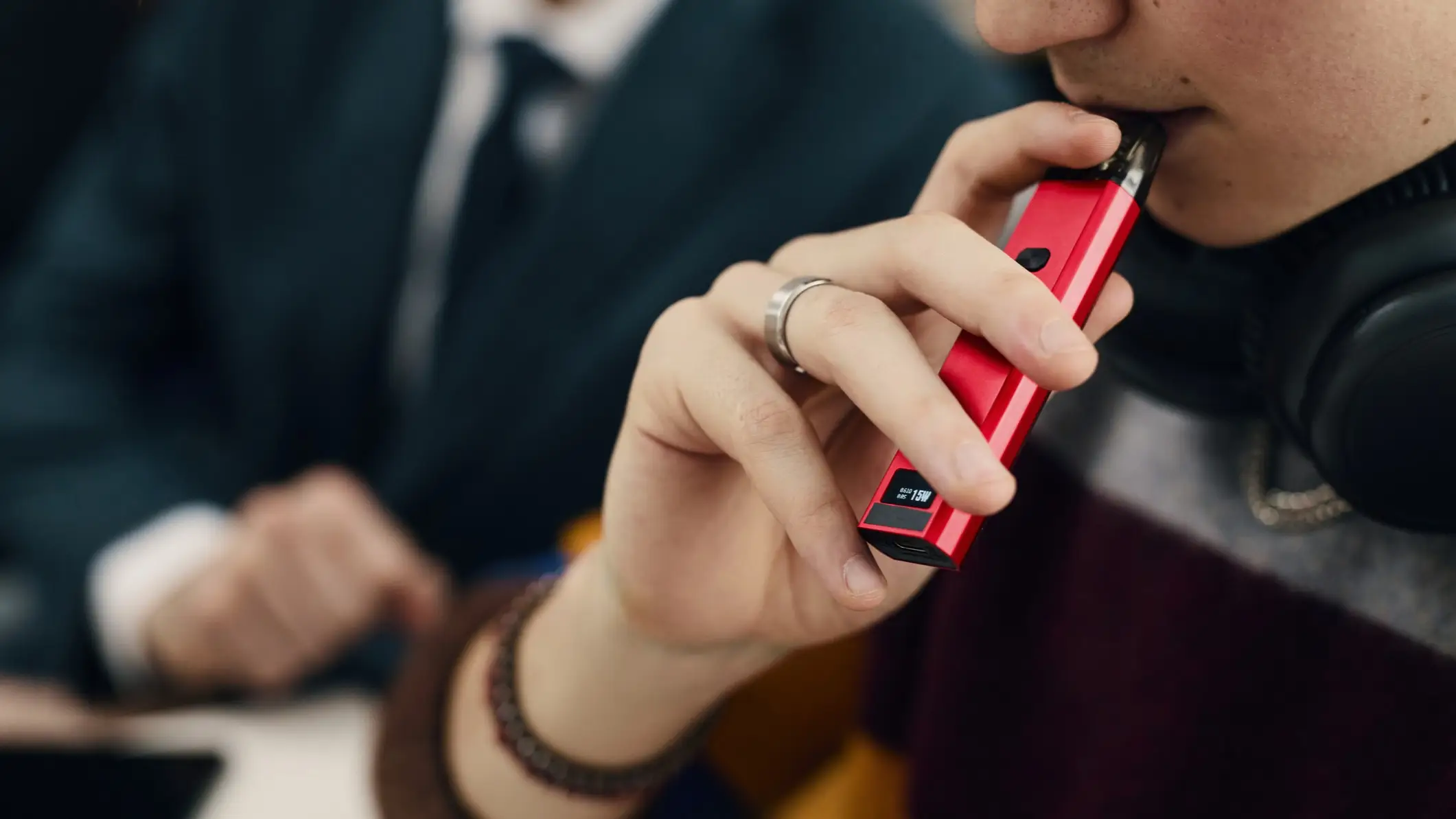
Doctors issue urgent warning over wide range of health impacts caused by vaping as child

Vaping should not be considered a 'harmless part of growing up', according to the authors of a new study examining the impact of e-cigarettes on young people.
According to statistics from Action on Smoking and Health, around 1.1 million British youngsters aged 11-17, roughly 19 percent of the total population, have tried vaping at least once in their lives.
Research on the safety of vaping is currently evolving, with current research suggesting that vapes are a safer alternative than cigarettes for people who already smoke.
However, this does not mean that vaping is entirely safe itself, with a comprehensive new study from the Royal College of Paediatrics and Child Health (RCPCH) revealing that children and teenagers vaping can lead to numerous health issues.
Advert
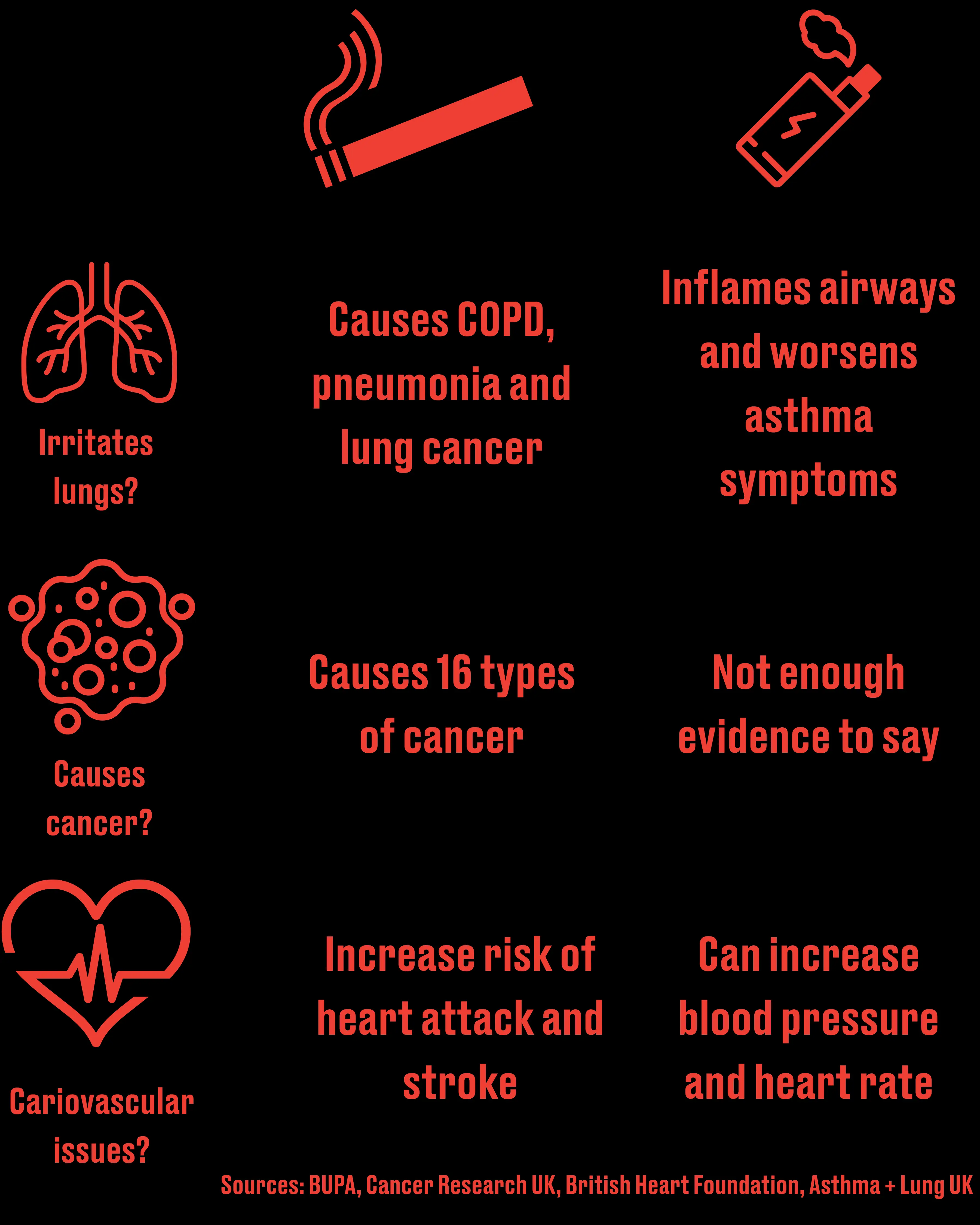
The RCPCH study, which examined data from over 14,000 published articles, 325 full-text studies, and 81 studies across eight health and social domains, concluded that vaping was linked to wheezing, coughing, bronchitis symptoms, and asthma exacerbations in young people.
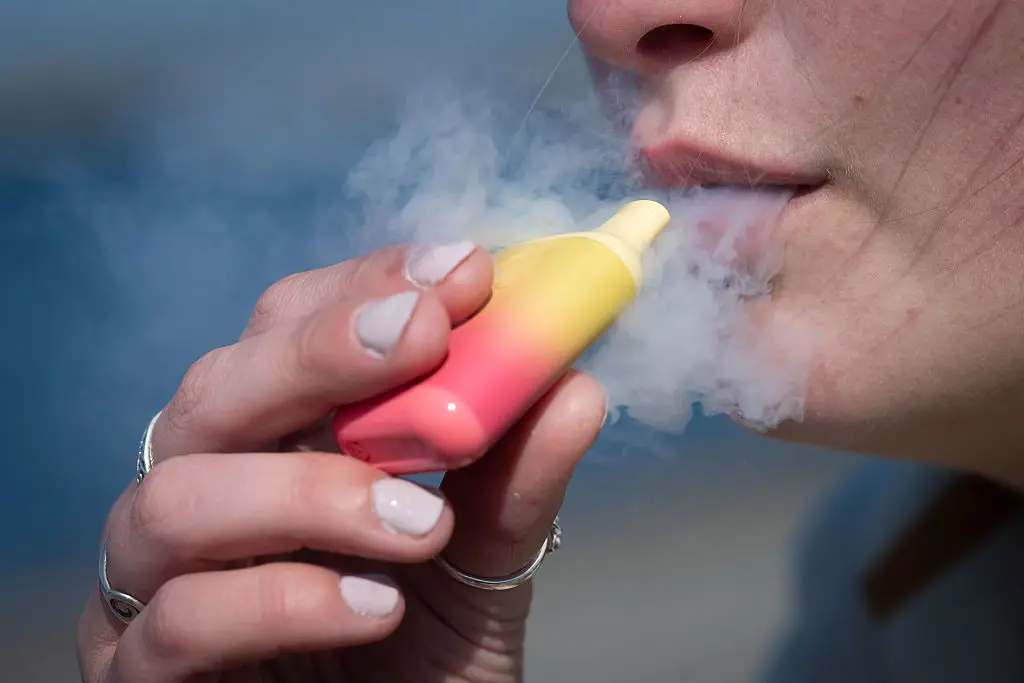
Long-term studies also linked vaping to an increased risk of a person taking up smoking cigarettes later in life.
The research isn't the only study to raise concerns about the risks of vaping in young people, with a recent study revealing that vaping has similar effects to smoking when it comes to young people's lungs.
"Vaping should not be seen as a harmless part of growing up," Professor Will Carroll, co-author of the review, said.
"The evidence shows clear links with respiratory symptoms, nicotine dependence and subsequent cigarette smoking, while concerns about wider impacts on young people’s health continue to grow."
The impact isn't just linked to respiratory health either, with research showing that vaping can also have a negative impact on a young person's dental hygiene, sleep and eye health.
There is also a knock-on effect mentally, with young vapers more likely to develop anxiety, depression and suicidal ideation.
"We must act to make vaping less attractive and accessible to children," he added to Sky News.
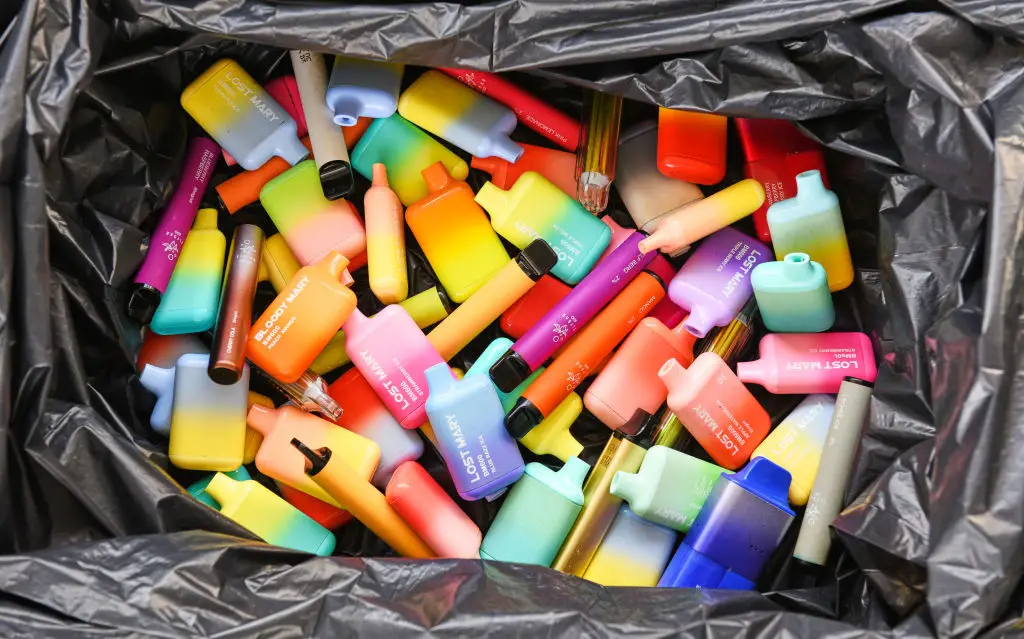
Professor Carroll went on to support the UK Government's ongoing policies to deter young people from smoking or vaping, which included a ban on disposable or 'single-use' e-cigarettes as well as a law which prohibits people born on or after January 1, 2009 from ever legally purchasing cigarettes, but urged policymakers to do more.
"The recently announced measures are welcome and must be implemented quickly," he continued. "But if vaping is to remain a viable smoking cessation tool without attracting new users, government must go further."
He urged the government to limit the sale of flavoured vapes and implement changes to packaging in order to make them appear less appealing to young people.
"Current proposals will place restrictions on vape flavour names and packaging descriptions, moving away from enticing names inspired by sweets, desserts, and alcohol in favour of simple, factual names like "apple". As paediatricians, we call on the government to limit the types of flavours available, as opposed to just their descriptions," Professor Carroll added.
"Vaping is still a relatively new product, and there is much we do not yet know about its long-term impact on children and young people but a clear and concerning picture is emerging," RCPCH vice-president for policy, Dr Mike McKean, said.
"Continued research and monitoring are essential if we are to properly understand the risks and respond to emerging evidence."
 Brenna Cooper